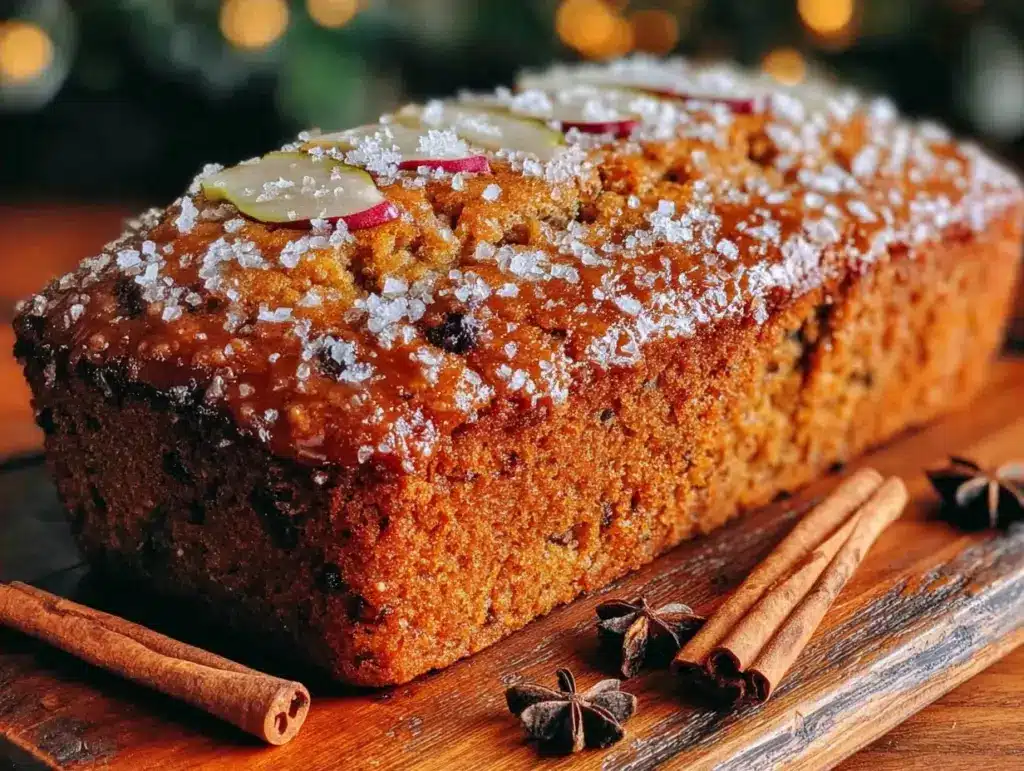
There is a specific smell that fills my grandmother’s house every November, right around the time the leaves start turning that deep, burnt orange color. It’s not just the smell of woodsmoke or the damp earth outside. It’s the smell of butter browning in a pan. That nutty, toasty aroma that drifts from the kitchen and pulls you in before you’ve even taken your coat off.
My grandmother didn’t make donuts. She didn’t have the patience for frying oil or the desire to spend an hour dipping individual rings in glaze. But she did know how to make a loaf that tasted like autumn in a bowl. It was dense, sweet, and smelled like the orchard behind her house. When I decided to recreate that memory, I realized that the bridge between her old-fashioned loaf and a modern donut was brown butter and apple cider. So, I combined them. I took the rich, nutty depth of browned butter, the bright, tart punch of reduced apple cider, and the cozy spice of cinnamon, and I baked it into a loaf that feels like a warm hug.
This isn’t a quick hack. It’s not a “mix in a bowl and bake in 10 minutes” deal. It requires patience. You have to watch that butter. You have to reduce that cider. But the result? It’s a loaf so moist and flavorful that it disappears before dinner is even ready. It’s the kind of treat that makes you stop what you’re doing and just sit at the table for a few extra minutes. If you’re looking for something simpler, I also have a recipe for fall cinnamon sugar apple fritter bread if you want a quicker option, but this brown butter version is worth the extra ten minutes. It’s the real deal. The way my grandmother would have wanted it, if she were alive to see it.
Why You’ll Love This Apple Cider Donut Loaf
There are about a dozen reasons I keep making this loaf, but here are the big ones that keep it in my regular rotation every fall.
It Tastes Like a Donut, But It’s a Loaf — Seriously, it has all the flavor of a classic apple cider donut—cinnamon, sugar, cider, apple—but the texture is so much more substantial. It’s tender and crumbly, not airy and cake-like. It feels indulgent but grounded.
The Brown Butter is Non-Negotiable — I’ve tried this recipe with regular butter, and it’s good. But brown butter? It’s transformative. The nutty, toasted flavor adds a depth that regular butter just can’t match. It makes the loaf taste sophisticated, like something from a high-end bakery, but it’s actually very simple to make.
It Uses Simple Ingredients — You don’t need fancy flours or rare spices. You need butter, flour, sugar, eggs, and apple cider. That’s it. Most of these are things you already have in your pantry. I keep a carton of apple cider in the fridge every October specifically for this recipe.
It Keeps Well — Unlike some baked goods that go stale by noon, this loaf actually improves after a day. The moisture from the cider and the apples mellows out, and the flavors meld together. By day two, it’s even better. I deliberately make a second loaf on Sunday just for Monday morning.
It’s Perfect for Gifting — This loaf looks rustic and beautiful, especially when you dust it with cinnamon sugar. I wrap it in parchment paper and tie it with twine, and it makes the perfect neighbor gift or hostess present. It smells amazing even through the packaging.
This is my go-to when I want to make something that feels special but doesn’t require a degree in baking. It’s reliable, delicious, and makes everyone happy. No complicated techniques, no weird ingredients, just pure autumn comfort.
Ingredients You’ll Need
Here’s the best part: you probably have most of this already. I’m particular about a few things, but the list is short and simple.
Unsalted Butter (1 cup / 226g) — This is where the magic happens. You’ll be browning this butter. Use high-quality butter if you can find it. I like European-style butters because they have a higher fat content, which makes the brown butter even richer. But standard unsalted works fine too.
Apple Cider (2 cups / 480ml) — Not apple juice. Real apple cider. The cloudy, unfiltered kind you find at farmers markets or in the fall section of the grocery store. You need the authentic apple flavor. If you can’t find fresh cider, look for pasteurized apple cider in the refrigerated section. Avoid the sweetened apple juice cocktail.
All-Purpose Flour (2 cups / 250g) — Standard flour works best here. It gives the loaf that tender but sturdy crumb. Don’t use cake flour; it’ll be too delicate. Don’t use bread flour; it’ll be too chewy.
Baking Powder (1 teaspoon) — Make sure it’s fresh. If your baking powder is older than six months, it won’t give you enough lift. I keep a fresh tin at all times.
Baking Soda (½ teaspoon) — This reacts with the acidity in the apple cider to help the loaf rise. It’s essential.
Sea Salt (1 teaspoon) — To balance the sweetness. Don’t skip it. Sweet baked goods need salt to really pop.
Granulated Sugar (1 cup / 200g) — For the batter. It keeps the loaf moist. You’ll also use this for the coating.
Brown Sugar (½ cup / 100g) — Packed. This adds that molasses note that pairs so well with apple and cinnamon.
Eggs (2 large, room temperature) — Room temperature eggs mix into the batter more evenly. I take them out of the fridge when I start the butter. If I forget, I put them in a bowl of warm water for five minutes.
Vanilla Extract (1 teaspoon) — Pure vanilla, please. Imitation vanilla tastes artificial and clashes with the delicate apple flavor.
Ground Cinnamon (1½ teaspoons) — The star spice. Use a good quality cinnamon. If yours is old and dusty, replace it. The flavor will be weak.
Ground Nutmeg (½ teaspoon) — Just a hint. Nutmeg can overpower quickly, so be sparing.
Apple (1 medium, peeled and diced) — I use Granny Smith apples because they hold their shape and add a tart contrast to the sweet loaf. You can use a sweet apple like Honeycrisp if you prefer, but Granny Smith is my go-to.
For the Coating:
Granulated Sugar (½ cup / 100g) — Mixed with cinnamon.
Ground Cinnamon (1 tablespoon) — For the coating. This creates that classic donut-like exterior.
Equipment Needed
You don’t need fancy equipment for this. Here’s what I actually use.
Medium Saucepan — For reducing the apple cider. I use a 2-quart saucepan. It needs to be wide enough to allow the cider to reduce quickly.
Light-Colored Saucepan or Skillet — For browning the butter. I use a light-colored stainless steel pan because it’s easier to see the color change. If you use a dark pan, it’s harder to tell when the butter is done, and you might burn it.
Loaf Pan (9×5 inch) — Standard loaf pan. I use a metal pan because it conducts heat evenly. Glass pans take longer to bake and can result in a soggy bottom. If you only have glass, reduce the oven temperature by 25 degrees.
Whisk — For mixing the dry ingredients and beating the eggs and sugars.
Large Mixing Bowl — For combining the batter. I use a glass bowl because I can see everything clearly.
Pastry Brush (Optional) — For brushing the loaf with simple syrup if you want an extra glossy finish. I skip this sometimes, but it’s nice for special occasions.
Cooling Rack — Essential. Don’t let the loaf cool in the pan. It’ll steam and get soggy. A rack lets air circulate and keeps the crust crisp.
How to Make It: Step-by-Step
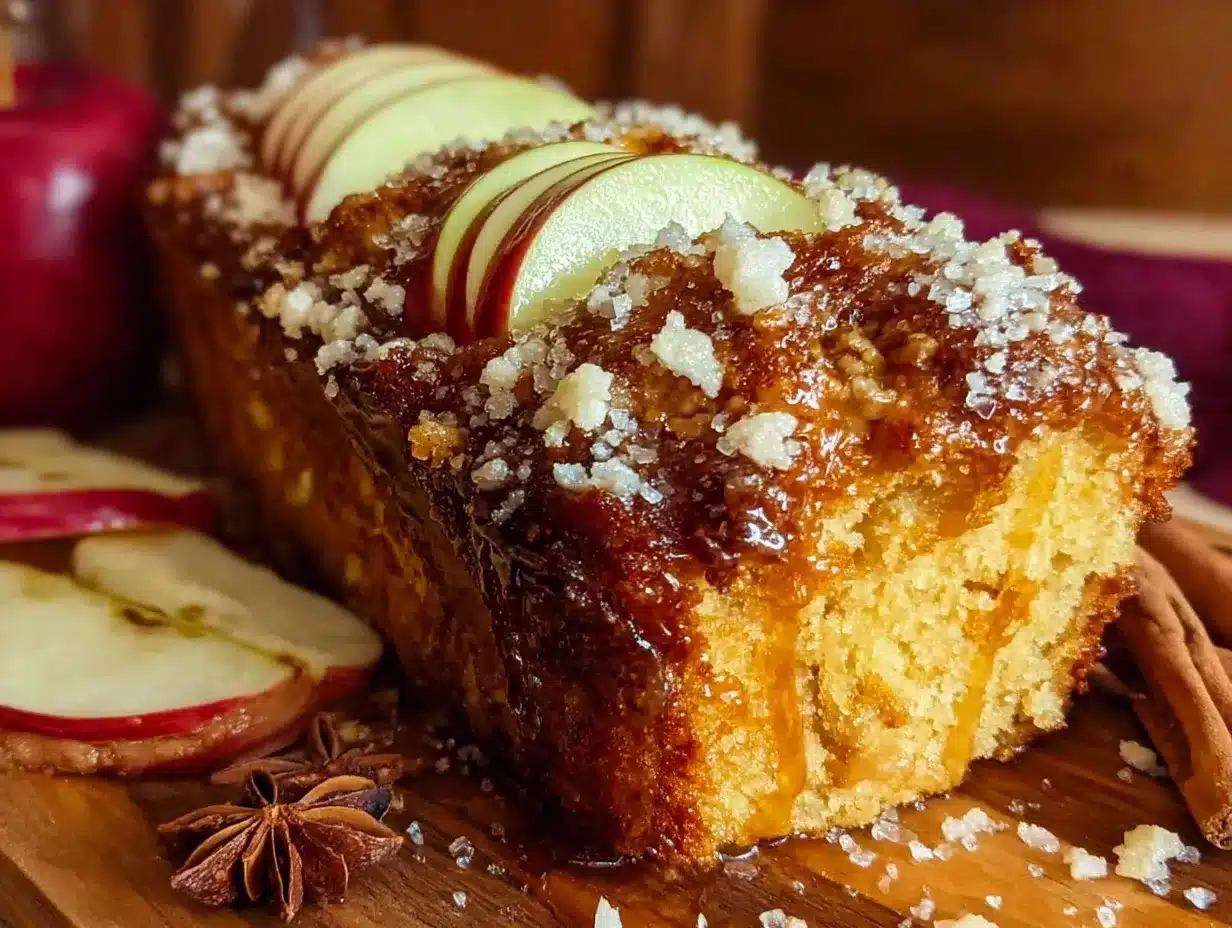
Alright, let’s make this! I’m walking you through exactly how I do it, including the little tricks I’ve picked up over the years.
Step 1: Reduce the Apple Cider (15-20 minutes)
Start by pouring 2 cups of apple cider into your saucepan. Bring it to a boil over medium-high heat, then reduce the heat to medium-low and let it simmer. You want to reduce it by half, so you end up with about 1 cup of concentrated cider. This intensifies the apple flavor. It should smell sweet and tart. If it starts to bubble over, lower the heat. This step takes patience, but it’s worth it. While it reduces, you can prep your other ingredients.
Step 2: Brown the Butter (5 minutes)
Once the cider is reduced and set aside to cool slightly, turn your attention to the butter. Melt the butter in your light-colored pan over medium heat. Stir it constantly. It will foam up, then subside. Keep stirring. You’ll start to see brown bits forming at the bottom and smell a nutty, toasted aroma. As soon as you smell that, remove the pan from the heat and pour the butter into a heatproof bowl. This stops the cooking. If you wait too long, it’ll burn and taste bitter. You want it to be a deep amber color, like peanut butter.
Step 3: Mix the Dry Ingredients (2 minutes)
In your large mixing bowl, whisk together the flour, baking powder, baking soda, sea salt, cinnamon, and nutmeg. Make sure there are no lumps. This ensures even distribution of the leavening agents and spices.
Step 4: Cream the Sugars and Eggs (3 minutes)
In a separate bowl (or the same one if you’re washing it quickly), whisk the granulated sugar, brown sugar, and eggs until the mixture is pale and smooth. This takes about two minutes of whisking. It helps dissolve the sugar and aerates the mixture slightly. Add the vanilla extract and the cooled, browned butter. Whisk until everything is combined. The mixture might look slightly curdled at first, but that’s okay.
Step 5: Combine Wet and Dry (2 minutes)
Gradually add the dry ingredients to the wet ingredients, mixing gently with a spatula or whisk. Stop as soon as the flour disappears. Do not overmix. Overmixing develops gluten and makes the loaf tough. You want a tender crumb. Fold in the diced apples last. They’ll sink to the bottom a bit, which is fine. That’s where the apple pieces concentrate.
Step 6: Bake (45-50 minutes)
Preheat your oven to 350°F (175°C). Grease your loaf pan with butter or non-stick spray. Pour the batter into the pan and smooth the top. Bake for 45-50 minutes. The loaf is done when a toothpick inserted into the center comes out clean or with just a few moist crumbs. The top should be golden brown and slightly domed. If it starts to brown too quickly, cover it loosely with foil after 30 minutes.
Step 7: Cool and Coat (15 minutes)
Let the loaf cool in the pan for 10 minutes, then turn it out onto a cooling rack. Let it cool completely before coating. If you coat it while it’s warm, the sugar will melt and become a sticky mess. Once cool, mix the coating sugar and cinnamon in a shallow dish. Roll the loaf in the mixture, coating all sides. It should look like a giant donut.
Expert Tips & Tricks
Here’s everything I’ve learned from making this dozens of times. These tips will save you from my mistakes.
Don’t Rush the Butter — Browning butter is a delicate process. If you walk away, it goes from perfect to burnt in seconds. Stay by the stove. The smell is your best indicator. When it smells like toasted nuts, it’s done.
Reduce the Cider Properly — If you skip reducing the cider, the loaf will be too wet and dense. You need that concentrated flavor. If you’re short on time, you can use apple juice, but it won’t have the same depth. Trust the process.
Room Temperature Ingredients — Make sure your eggs and butter are at room temperature before mixing. Cold ingredients can cause the batter to seize up or not mix evenly. It takes the stress out of baking.
Don’t Overbake — Apple cider loaf is very moist. If you bake it too long, it’ll be dry. Check it at 45 minutes. If the toothpick comes out clean, it’s done. If it has wet batter, give it 5 more minutes.
Coat While Cool — I know it’s tempting to eat it warm, but wait until it’s completely cool to coat it. The sugar coating needs a dry surface to adhere to properly. If it’s warm, the sugar will dissolve into the loaf.
Common Mistakes
Mistake: Loaf is dense — Fix: You probably overmixed the batter. Mix until just combined. Also, check your baking powder and soda. If they’re old, they won’t work.
Mistake: Butter burned — Fix: If your butter smells burnt, start over. There’s no fixing it. Burnt butter makes the whole loaf taste bitter.
Mistake: Coating slides off — Fix: The loaf wasn’t cool enough. Or the sugar mixture was too wet. Make sure your sugar is dry.
Variations & Substitutions
Once you’ve nailed the basic version, here’s how you can mix it up. I’ve tried all of these.
Walnut or Pecan Addition — Add ½ cup of chopped walnuts or pecans to the batter. Toast them first for extra flavor. They add a nice crunch and pair beautifully with the apple.
Chai Spice Version — Swap the cinnamon and nutmeg for chai spice mix. It adds cardamom, ginger, and cloves. It’s a different vibe but still very autumnal.
Gluten-Free — Use a 1:1 gluten-free flour blend. The texture might be slightly different, but it’s still delicious. I’ve used Bob’s Red Mill and it works great.
Dairy-Free — Use coconut oil or a dairy-free butter substitute. The flavor will be slightly different, but it’s still moist and tasty. My lactose-intolerant friend requests this version.
Apple Cider Glaze — Instead of a dry coating, make a glaze. Mix 1 cup powdered sugar with 2-3 tablespoons of reduced apple cider. Drizzle over the cooled loaf. It’s sweeter and more decorative.
Spiced Rum Version — Add 1 tablespoon of spiced rum to the batter. It enhances the apple flavor and adds a subtle kick. For kids, use apple juice instead.
Serving & Storage
How to Serve:
I usually serve this straight from the cooling rack, sliced thick. It’s perfect with a cup of coffee or tea. But here are other ways I’ve enjoyed it:
Side Dishes:
- Warm apple cider (obviously)
- Vanilla ice cream (for a dessert version)
- Crème fraîche or whipped cream (for a richer treat)
- Sharp cheddar cheese (for a savory-sweet combo)
Toppings Bar:
When I have guests, I put out: extra cinnamon sugar, toasted pecans, apple slices, and a small bowl of caramel sauce. Everyone customizes their slice.
Storage Instructions:
Refrigerator:
Store in an airtight container at room temperature for up to 3 days. If it’s very humid, store it in the fridge. The loaf stays moist and fresh.
Freezing:
This loaf freezes well. Wrap it tightly in plastic wrap and then in foil. It’ll last up to 3 months. Thaw at room temperature before serving. The texture remains soft and tender.
Reheating:
If you want it warm, microwave a slice for 20-30 seconds. It’ll be soft and gooey. Or toast it lightly in the oven. Never reheat it in the microwave for too long, or it’ll get tough.
Nutrition Information
I’m not a nutritionist, but here’s the breakdown if you’re tracking.
Per Serving (based on 12 servings):
- Calories: 280
- Protein: 4g
- Carbs: 42g
- Fiber: 1g
- Sugar: 28g
- Fat: 12g
- Saturated Fat: 7g
- Cholesterol: 45mg
- Sodium: 250mg
What’s Good:
- Decent carbs for energy
- Contains some fiber from the flour and apples
- Can add nuts to boost protein and healthy fats
What to Know:
- Higher in sugar due to the cider and coating
- Contains gluten and dairy
- Moderate calories, but a small slice is very satisfying
My Take:
Look, this is a treat. It’s sweet, rich, and indulgent. It’s not a diet recipe. But it’s way better than store-bought, costs less, and I know exactly what’s in it. When I want to make it lighter, I reduce the sugar in the coating and add more nuts. But usually? I just eat a small slice and enjoy it.
Final Thoughts
So that’s my fall brown butter apple cider donut loaf! I’ve probably talked your ear off at this point, but when you make a recipe this often, you have a lot to say about it.
This has saved my autumn mornings more times than I can count. It’s my answer to “what’s for breakfast” when I want something special but don’t want to spend all day in the kitchen. My kids are happy, my husband’s happy, and I’m happy because I’m not stressed about cooking.
Make it yours! Try different nuts, swap the spices, or adjust the sweetness. The best recipes are the ones you adapt to your family’s tastes. If you make this, drop a comment and let me know what you think! I love hearing how recipes turn out in your kitchen. And if something doesn’t work, tell me that too—I’m here to help troubleshoot.
Happy baking! And I hope your kitchen smells half as good as mine does right now.
Frequently Asked Questions
Can I use apple juice instead of apple cider?
You can, but the flavor won’t be as intense. Apple juice is sweeter and less tart. If you use juice, reduce it by half just like you would cider. But real apple cider makes a huge difference. It’s worth seeking out.
Why did my loaf turn out dense?
Usually, this means you overmixed the batter. Once you add the flour, mix until just combined. Also, check your leavening agents. If your baking powder or soda is old, they won’t work. And make sure you reduced the cider properly. Too much liquid can weigh down the loaf.
Can I make this ahead for a party?
Yes! This loaf actually tastes better the next day. Bake it a day ahead, store it in an airtight container, and coat it right before serving. It’ll stay fresh for up to 3 days at room temperature.
Why did my butter burn?
Brown butter is very sensitive to heat. If your heat was too high, it burned quickly. Always use medium heat and stir constantly. The smell is your best guide. If it smells nutty, it’s done. If it smells acrid, it’s burnt.
Can I freeze the loaf?
Absolutely. Wrap it tightly in plastic wrap and then in foil. It’ll last up to 3 months. Thaw at room temperature. The texture remains soft and tender. I freeze extra loaves to have for later in the season.
How do I store leftovers?
Store in an airtight container at room temperature for up to 3 days. If it’s very humid, store it in the fridge. Reheat slices in the microwave for 20-30 seconds before serving.
Can I use whole wheat flour?
You can, but the loaf will be denser and nuttier. I recommend using half whole wheat and half all-purpose flour for a balance. If you use 100% whole wheat, add a little extra liquid or applesauce to keep it moist.
Pin This Recipe!
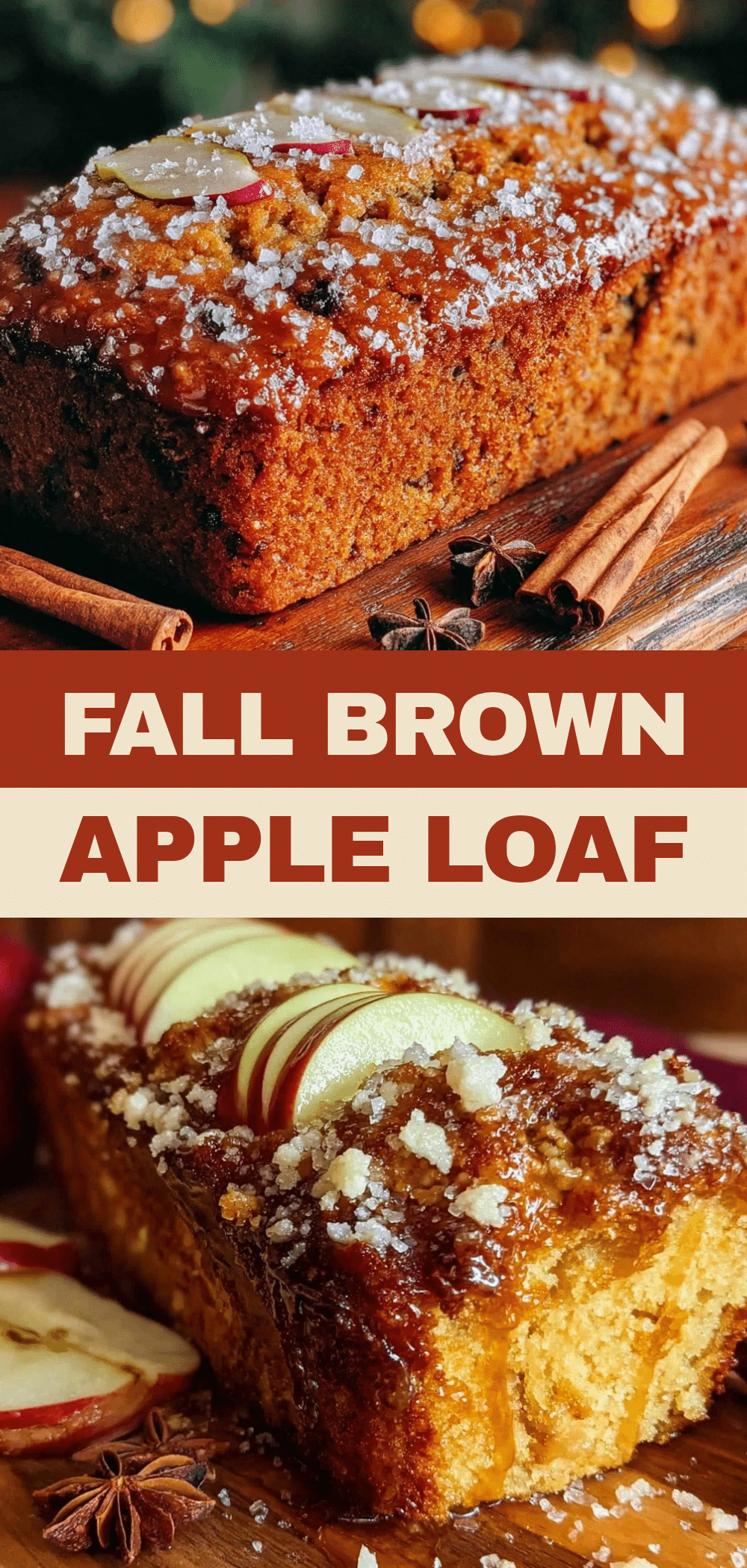
Fall Brown Butter Apple Cider Donut Loaf: Family Recipe
- Total Time: 70 minutes
- Yield: 12 servings 1x
Description
A moist, flavorful loaf that captures the essence of autumn with brown butter, reduced apple cider, and warm spices. It offers the taste of a classic donut in a substantial, easy-to-make bread format.
Ingredients
- 1 cup (226g) unsalted butter
- 2 cups (480ml) apple cider
- 2 cups (250g) all-purpose flour
- 1 teaspoon baking powder
- ½ teaspoon baking soda
- 1 teaspoon sea salt
- 1 cup (200g) granulated sugar
- ½ cup (100g) brown sugar, packed
- 2 large eggs, room temperature
- 1 teaspoon vanilla extract
- 1½ teaspoons ground cinnamon
- ½ teaspoon ground nutmeg
- 1 medium Granny Smith apple, peeled and diced
- ½ cup (100g) granulated sugar (for coating)
- 1 tablespoon ground cinnamon (for coating)
Instructions
- Preheat oven to 350°F (175°C). Grease a 9×5 inch loaf pan.
- Pour 2 cups of apple cider into a medium saucepan. Bring to a boil over medium-high heat, then reduce to medium-low. Simmer until reduced by half (about 1 cup), which takes 15-20 minutes. Set aside to cool.
- Melt the butter in a light-colored saucepan or skillet over medium heat. Stir constantly until it foams, subsides, and turns deep amber with a nutty aroma (about 5 minutes). Immediately pour into a heatproof bowl to stop cooking.
- In a large mixing bowl, whisk together the flour, baking powder, baking soda, sea salt, cinnamon, and nutmeg.
- In a separate bowl, whisk the granulated sugar, brown sugar, and eggs until pale and smooth. Add the vanilla extract and cooled brown butter, whisking until combined.
- Gradually add the dry ingredients to the wet ingredients, mixing gently until just combined. Do not overmix. Fold in the diced apples.
- Pour batter into the prepared loaf pan and smooth the top. Bake for 45-50 minutes, or until a toothpick inserted into the center comes out clean. If browning too quickly, cover loosely with foil after 30 minutes.
- Let the loaf cool in the pan for 10 minutes, then turn out onto a cooling rack to cool completely.
- Once completely cool, mix the coating sugar and cinnamon. Roll the loaf in the mixture to coat all sides.
Notes
Ensure butter is browned but not burnt. Reduce cider properly for concentrated flavor. Coat loaf only when completely cool to prevent sugar from melting. Store in an airtight container at room temperature for up to 3 days.
- Prep Time: 20 minutes
- Cook Time: 50 minutes
- Category: Dessert
- Cuisine: American
Nutrition
- Serving Size: 1 slice
- Calories: 280
- Sugar: 28
- Sodium: 250
- Fat: 12
- Saturated Fat: 7
- Carbohydrates: 42
- Fiber: 1
- Protein: 4
Keywords: apple cider donut loaf, brown butter, fall baking, autumn recipe, apple loaf, cinnamon sugar, family recipe