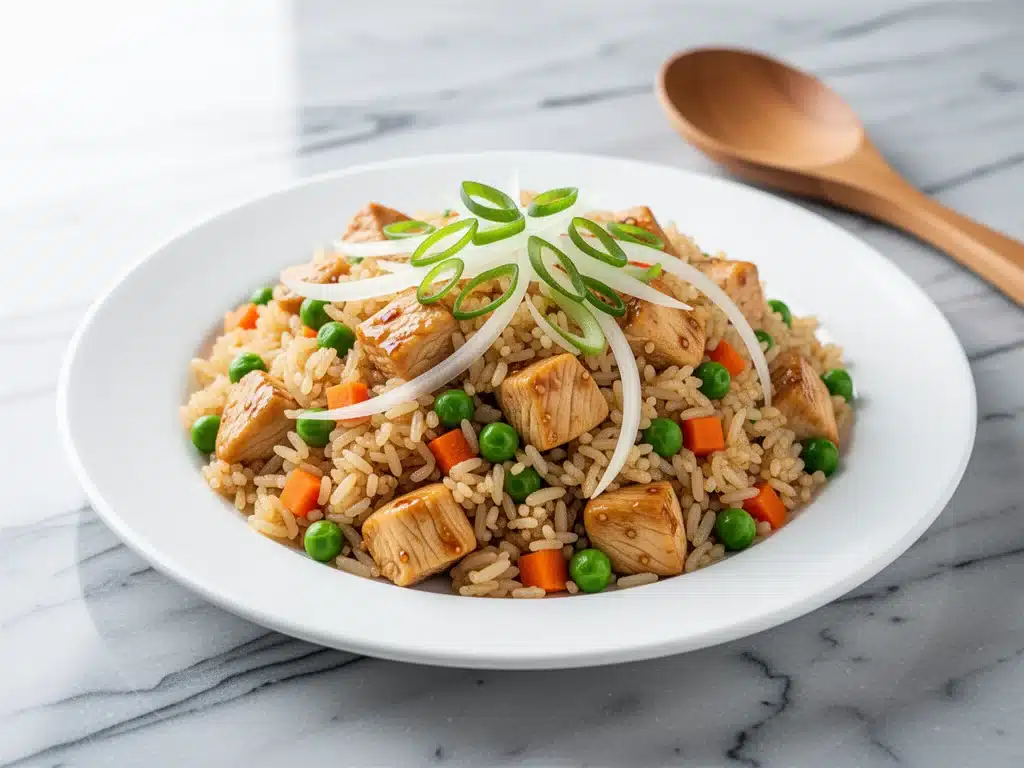
Last Tuesday, I was staring into the open fridge at 11:30 PM, running on three hours of sleep and pure desperation. The leftover chicken from Sunday’s roast was shriveling in the crisper drawer, my rice container was suspiciously empty, and I was pretty sure there was a lone egg and a handful of frozen peas in the freezer. I didn’t want to order takeout. I didn’t have the energy to start a complicated dinner. I just wanted something hot, salty, and deeply satisfying that wouldn’t require a second brain cell to execute.
So I threw everything into a skillet. I wasn’t aiming for Michelin-star precision. I was aiming for survival. But here’s the thing about desperation cooking: sometimes it’s the best kind. I threw in some soy sauce, a splash of sesame oil, and because I had a jar of ginger paste in the back of the spice rack I’d bought six months ago and forgotten about, I added a generous spoonful of that. I thought the ginger might clash with the chicken, but instead, it did something magical. It cut through the richness, brightened the whole dish, and made me actually sit down at the table and enjoy my midnight snack.
I’ve made this authentic chicken fried rice with soy ginger glaze at least twenty times since that night. It’s not just a leftover hack anymore; it’s my go-to weeknight dinner when I want something that tastes like it came from a bustling street food stall in Taipei, but arrives on my plate in fifteen minutes flat. The secret isn’t fancy technique. It’s the ginger-soy glaze that ties everything together, and it’s the one trick most people miss when making fried rice at home.
If you’ve ever made fried rice that turned out soggy, bland, or just kind of… meh, this recipe is going to change your life. I’ve tested this method with jasmine rice, basmati, and even leftover congee (don’t judge me, it worked). But the golden rule remains: cold rice is non-negotiable. And the ginger? Oh, the ginger is the star. It’s savory, slightly sweet, and impossibly aromatic. Once you taste this soy ginger glaze coating every single grain of rice, you’ll never go back to plain old soy sauce again.
Why You’ll Love This Soy Ginger Chicken Fried Rice
Look, I’m a big fan of takeout as much as the next person. But have you ever tried to recreate your favorite Chinese restaurant dish at home and ended up with a greasy, salty mess? I have. Many times. This recipe fixes all of that. It’s not just “good for homemade”—it’s genuinely better than the delivery version, and it’s infinitely healthier because you control exactly what goes in.
Here’s why this authentic chicken fried rice with soy ginger glaze has earned a permanent spot in my weekly rotation:
- Zero Waste Magic — This is the ultimate cleanup-the-fridge meal. Any cooked protein works. Any veggie you’re trying to use up fits perfectly. I’ve made this with shrimp, pork, tofu, and even just plain rice with extra veggies. It’s forgiving and flexible.
- 15 Minutes or Less — Seriously. From cold rice to hot plate, it takes about 15 minutes. That’s faster than waiting for a delivery driver who’s already lost your order. The ginger-soy glaze comes together in seconds, so you’re not juggling ten different sauces.
- Texture Perfection — The secret to that distinct “restaurant-style” dryness and chewiness? Using day-old rice and high-heat tossing. I’ve cracked this code, and now every grain is separate, toasted, and coated in flavor. No mushy clumps allowed.
- Flavor Bomb — The combination of fresh ginger, soy sauce, a touch of sugar, and sesame oil creates a glaze that’s sticky, savory, and aromatic. It clings to the rice and chicken like it was made for them. It’s the kind of flavor that makes you stop talking and just eat.
- Protein-Packed — With juicy chicken breast or thighs, this isn’t just a carb side dish. It’s a complete meal. I add a scrambled egg in at the end for extra protein and that classic yellow speckle that makes fried rice look so appetizing.
This recipe is my answer to “What’s for dinner?” when I’m tired, broke, or just don’t feel like cooking something complicated. It’s reliable, delicious, and makes your kitchen smell incredible. Plus, the leftovers are even better the next day, cold or reheated. I’ve packed this for lunch at work more times than I can count, and my coworkers are constantly begging for the recipe.
Ingredients You’ll Need for the Perfect Glaze
One of the best things about this authentic chicken fried rice with soy ginger glaze is that you probably already have 90% of these ingredients in your pantry. The beauty of this recipe is in the simplicity. We’re not using obscure sauces or hard-to-find ingredients. We’re using good basics and letting the ginger shine.
For the Ginger-Soy Glaze
This is the heart of the dish. Don’t skip the fresh ginger if you can help it, but I won’t judge if you use paste. Just know that fresh makes a noticeable difference.
- Fresh Ginger (2 tablespoons, grated) — This is non-negotiable for that bright, spicy kick. Grate it fine so it melts into the sauce. If you’re using jarred ginger paste, use about 1 tablespoon.
- Soy Sauce (3 tablespoons) — I use regular Kikkoman, but a tamari or coconut aminos works if you’re going gluten-free. Don’t use low-sodium if you can avoid it; you need that saltiness to balance the sweet.
- Sesame Oil (1 tablespoon) — Toasted sesame oil is essential. It adds that nutty aroma that smells like a Chinese restaurant. Make sure it’s dark, toasted sesame oil, not the light kind.
- Brown Sugar (1 tablespoon) — Just a touch. It caramelizes slightly in the wok and balances the saltiness of the soy. You can use white sugar, but brown adds a deeper molasses note.
- Chicken Broth (2 tablespoons) — This thins out the glaze slightly and adds savory depth. Water works, but broth is better.
- Garlic (2 cloves, minced) — Fresh garlic only. Jarred garlic has a weird metallic taste that doesn’t belong here.
For the Fried Rice
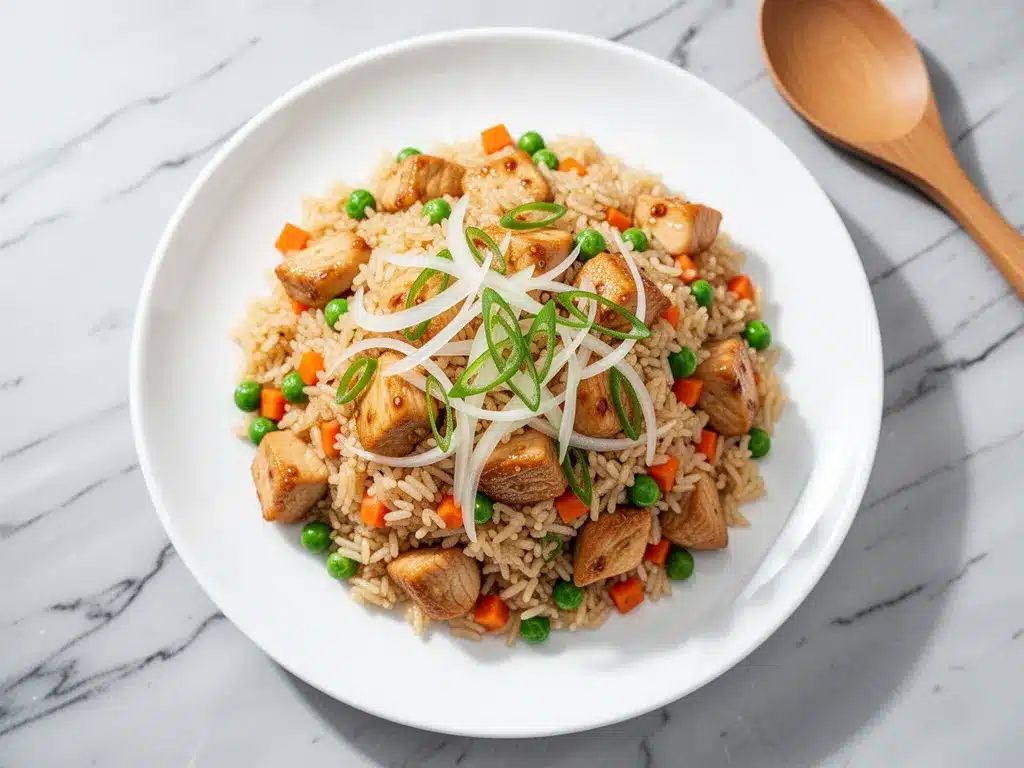
- Cooked Jasmine Rice (3 cups, cold) — This is the most important ingredient. Day-old, refrigerated rice is best because it’s dry. If you’re using freshly cooked rice, spread it on a baking sheet and put it in the fridge for an hour to dry out. Cold rice = separate grains.
- Chicken Breast or Thighs (1 pound, diced) — I prefer thighs for juiciness, but breast works fine if you don’t overcook it. Cut into bite-sized pieces for even cooking.
- Eggs (2 large) — Beaten. These add richness and protein. I scramble them into the rice at the end.
- Vegetables (1 cup total) — I use a mix of frozen peas and carrots because they’re convenient, but fresh diced bell peppers, chopped scallions, or shredded cabbage work great too. Keep it simple.
- Neutral Oil (2 tablespoons) — Canola, vegetable, or peanut oil. You need a high smoke point for the wok.
- Green Onions (3 stalks, sliced) — For garnish and a fresh oniony bite. White parts go in early, green parts go on top at the end.
Equipment You’ll Need
You don’t need fancy gear, but the right tools make a huge difference in texture.
- Wok or Large Skillet — A carbon steel wok is ideal because it heats evenly and has high sides for tossing. If you don’t have one, a large non-stick skillet or cast iron pan works perfectly. The key is surface area; you want the rice to spread out, not stack up.
- Large Spoon or Spatula — A flat-edged spatula is best for stirring and scraping the bottom of the pan. I use a silicone one so I don’t scratch my pan.
- Small Bowl — For mixing the glaze ahead of time. This ensures you don’t burn the garlic while measuring out five different sauces.
- Sharp Knife and Cutting Board — For dicing the chicken and veggies. Uniform pieces cook evenly.
How to Make Authentic Chicken Fried Rice
Alright, let’s get cooking. This is fast, so have everything prepped before you turn on the heat. This is where the “mise en place” really matters. If you’re chopping chicken while the pan is smoking hot, you’re going to end up with rubbery chicken and burnt garlic.
Step 1: Prep the Glaze
In a small bowl, whisk together the soy sauce, sesame oil, brown sugar, chicken broth, minced garlic, and grated ginger. Stir until the sugar is dissolved. Set aside. This mixture is your flavor bomb, and having it ready means you can focus on the cooking.
Step 2: Cook the Chicken
Heat 1 tablespoon of neutral oil in your wok or skillet over medium-high heat. Add the diced chicken in a single layer. Let it sear for 2-3 minutes without moving it too much. You want some browning. Then, stir and cook for another 2-3 minutes until the chicken is cooked through and no longer pink. Remove the chicken from the pan and set it aside on a plate. Don’t wipe out the pan; that chicken flavor is gold.
Step 3: Scramble the Eggs
Add the remaining 1 tablespoon of oil to the same pan. Pour in the beaten eggs. Let them sit for a few seconds, then gently push them around until they’re just set but still soft and fluffy. Scramble them into small curds. Remove the eggs and add them to the plate with the chicken.
Step 4: Fry the Rice
Increase the heat to high. Add the cold rice to the hot pan. This is the most important step. Use your spatula to break up any clumps and press the rice against the hot surface. You want the rice to toast slightly, getting a little crispy on the bottom. Stir and toss constantly for 3-4 minutes. The rice should start to look dry and separate. If it’s sticking, add a splash of water, but usually, cold rice doesn’t need it.
Step 5: Add Veggies and Glaze
Add the frozen peas and carrots (or your chosen veggies) to the rice. Toss for 1 minute to heat them through. Then, give your ginger-soy glaze a quick stir (the sugar settles) and pour it over the rice. Toss everything together vigorously. The glaze will coat the rice, veggies, and pan. Cook for another 2 minutes, letting the sauce reduce slightly and caramelize on the rice grains.
Step 6: Combine and Finish
Return the cooked chicken and scrambled eggs to the pan. Toss everything together until heated through. Taste the rice. Need more salt? Add a splash of soy sauce. Need more heat? Sprinkle in some red pepper flakes. Add the white parts of the green onions and toss one last time. Remove from heat.
Step 7: Serve
Serve immediately, topped with the green parts of the green onions. I like to add a drizzle of extra sesame oil and a pinch of white pepper if I have it. It’s best eaten hot, straight from the pan.
Expert Tips for Perfect Fried Rice
I’ve made this authentic chicken fried rice with soy ginger glaze so many times that I’ve learned a few hard lessons. Here’s how to avoid the common pitfalls and get that perfect texture every time.
The Rice Rule is Law
Freshly cooked rice is wet and sticky. If you use it, your fried rice will be a mushy, soggy mess. The best rice is day-old, refrigerated rice. The cold air dries it out, making the grains firm and separate. If you’re in a pinch, spread freshly cooked rice on a baking sheet and put it in the freezer for 20 minutes. It’s not perfect, but it’s better than nothing.
High Heat is Your Friend
Fried rice is supposed to have a slight char. Don’t be afraid of high heat. You want the rice to sizzle when it hits the pan. If the pan isn’t hot enough, the rice will steam instead of fry, leading to that soggy texture we’re trying to avoid. Get that pan screaming hot before you add the rice.
Don’t Crowd the Pan
If you’re making a large batch, cook in two batches. Crowding the pan lowers the temperature and steams the food. You want every grain of rice to have contact with the hot surface. It’s better to make two smaller batches than one big, steaming pile.
The Ginger Glaze Balance
The ginger-soy glaze is the star, so get the balance right. If it’s too salty, add a pinch more sugar. If it’s too sweet, add a splash of vinegar or more soy. The ginger should be prominent but not overwhelming. It should taste like a warm, spicy hug, not a mouthful of raw root.
Customize Your Protein
This recipe is incredibly flexible. Swap chicken for shrimp, pork, beef, or tofu. If you’re using shrimp, cook it quickly and remove it before cooking the rice, then add it back at the end. Tofu needs to be pressed and cubed small so it gets crispy. The glaze works with all of them.
Variations and Substitutions
Once you’ve mastered the basic version, here’s how you can mix it up. I’ve tried all of these, and they’re all winners.
Vegetarian Version
Skip the chicken and add extra veggies. I love using mushrooms, broccoli florets, and snap peas. Use vegetable broth in the glaze instead of chicken broth. The ginger-soy flavor still shines through, and it’s just as satisfying.
Spicy Kick
Add 1 teaspoon of chili garlic sauce or sriracha to the glaze. Or, toss in some fresh sliced chili peppers when you add the veggies. If you like heat, this is a great way to add it without overpowering the ginger.
Seafood Swap
Replace the chicken with 1 pound of shrimp. Peel and devein them, and cook them quickly in the first step. Shrimp pairs beautifully with ginger and soy. Just be careful not to overcook them, or they’ll turn rubbery.
Gluten-Free Option
Use tamari or coconut aminos instead of soy sauce. Make sure your sesame oil is gluten-free (most are, but check the label). Everything else is naturally gluten-free. Serve with gluten-free rice if you’re cross-contaminating.
Crispy Rice Fans
If you like that crispy bottom layer of rice, press the rice down into the pan after adding the glaze. Let it sit for 2-3 minutes without stirring. Then, scoop it up, crispy side up. It’s a textural delight.
Serving and Storage
This authentic chicken fried rice with soy ginger glaze is best served immediately, hot and steaming. I usually pair it with a simple cucumber salad or some steamed bok choy to balance the richness. A drizzle of chili crisp on top adds a nice crunch and heat.
Storing Leftovers
Store leftovers in an airtight container in the fridge for up to 4 days. The rice will harden in the fridge, which is normal. To reheat, add a splash of water or broth to the rice and microwave it, stirring halfway through. Or, reheat it in a skillet with a little oil to restore the crispiness. It tastes great cold too, straight from the fridge, for a quick lunch.
Freezing
You can freeze fried rice, but the texture of the rice and eggs may change slightly upon thawing. It’s still tasty, but not as good as fresh. If you freeze it, thaw it in the fridge overnight and reheat in a skillet.
Nutrition Information
I’m not a nutritionist, but here’s a rough breakdown if you’re tracking. This is comfort food, so it’s not a diet recipe, but it’s balanced with protein and veggies.
- Calories: 450 per serving (based on 4 servings)
- Protein: 25g
- Carbs: 55g
- Fat: 12g
- Fiber: 2g
It’s higher in sodium due to the soy sauce, so if you’re watching salt, use low-sodium soy sauce and go easy on the glaze. You can also add more veggies to bulk it up and lower the carb ratio per serving.
Final Thoughts
This authentic chicken fried rice with soy ginger glaze has saved me more nights than I can count. It’s my go-to when I’m tired, when I have leftovers, or when I just need something warm and comforting fast. The ginger-soy glaze is the game-changer, adding a depth of flavor that takes it from basic to brilliant.
Make it yours! Add your favorite veggies, swap the protein, or adjust the spice level. The best recipes are the ones you adapt to your own tastes. If you make this, I’d love to hear how it turns out. Drop a comment below and let me know what variations you tried. And if you have questions, I’m here to help.
Frequently Asked Questions
Can I use fresh rice instead of day-old?
You can, but it’s risky. Fresh rice is wet and sticky, which leads to mushy fried rice. If you must use fresh rice, spread it on a baking sheet and put it in the fridge for at least an hour, or the freezer for 20 minutes, to dry it out. The colder and drier the rice, the better.
Why is my fried rice soggy?
Usually, this means the rice was too wet or the pan wasn’t hot enough. Make sure you’re using cold, dry rice. Also, don’t overcrowd the pan. If you’re adding too much rice at once, it steams instead of fries. Cook in batches if needed. And make sure your glaze is reduced slightly before tossing it with the rice.
Can I make the ginger-soy glaze ahead of time?
Yes! You can mix the glaze ingredients and store them in a jar in the fridge for up to a week. It actually gets better as the flavors meld. Just give it a good stir before using it.
What kind of rice is best for fried rice?
Jasmine rice is the traditional choice for Chinese fried rice because it’s long-grain and slightly fragrant. Basmati rice also works well. Avoid short-grain or sticky rice, as it won’t separate properly.
Can I use leftover rice from the freezer?
Absolutely. In fact, frozen rice is often drier than refrigerated rice, which is perfect for fried rice. Just thaw it slightly before adding it to the pan so it’s not ice-cold, which can lower the pan temperature too much.
Is this recipe spicy?
The base recipe is not spicy. It’s savory and slightly sweet with a hint of ginger warmth. If you want heat, add chili garlic sauce, sriracha, or fresh chili peppers to the glaze or while cooking the veggies.
Print
Authentic Chicken Fried Rice: Easy 15-Minute Soy Ginger Glaze
- Total Time: 15 minutes
- Yield: 4 servings 1x
Description
A quick, flavorful weeknight dinner featuring cold jasmine rice, chicken, and a savory-sweet ginger-soy glaze. This recipe ensures restaurant-style texture with separate, toasted grains of rice.
Ingredients
- 2 tablespoons fresh ginger, grated
- 3 tablespoons soy sauce
- 1 tablespoon toasted sesame oil
- 1 tablespoon brown sugar
- 2 tablespoons chicken broth
- 2 cloves garlic, minced
- 3 cups cooked jasmine rice, cold
- 1 pound chicken breast or thighs, diced
- 2 large eggs, beaten
- 1 cup mixed vegetables (frozen peas and carrots or fresh diced bell peppers/scallions)
- 2 tablespoons neutral oil (canola, vegetable, or peanut)
- 3 stalks green onions, sliced
Instructions
- In a small bowl, whisk together soy sauce, sesame oil, brown sugar, chicken broth, minced garlic, and grated ginger until the sugar is dissolved. Set aside.
- Heat 1 tablespoon of neutral oil in a wok or skillet over medium-high heat. Add diced chicken in a single layer and sear for 2-3 minutes without moving too much to encourage browning. Stir and cook for another 2-3 minutes until cooked through. Remove chicken and set aside.
- Add the remaining 1 tablespoon of oil to the same pan. Pour in beaten eggs and scramble until just set but still soft. Remove eggs and add to the plate with the chicken.
- Increase heat to high. Add cold rice to the hot pan. Break up clumps and press rice against the hot surface to toast slightly. Stir and toss constantly for 3-4 minutes until rice is dry and separate.
- Add vegetables to the rice and toss for 1 minute to heat through. Stir the glaze again and pour it over the rice. Toss vigorously for 2 minutes to coat the rice and let the sauce reduce and caramelize.
- Return cooked chicken and scrambled eggs to the pan. Toss to combine and heat through. Taste and adjust seasoning if needed. Add white parts of green onions and toss one last time. Remove from heat.
- Serve immediately, topped with green parts of green onions and optional extra sesame oil or white pepper.
Notes
Use day-old, refrigerated rice for best texture. Fresh rice will result in a soggy dish. If using fresh rice, spread it on a baking sheet and refrigerate for an hour or freeze for 20 minutes to dry it out. Ensure the pan is very hot before adding rice to achieve a slight char and prevent steaming.
- Prep Time: 10 minutes
- Cook Time: 5 minutes
- Category: Main Course
- Cuisine: Chinese
Nutrition
- Serving Size: 1 plate (approx. 1/4
- Calories: 450
- Sugar: 8
- Sodium: 900
- Fat: 12
- Saturated Fat: 3
- Carbohydrates: 55
- Fiber: 2
- Protein: 25
Keywords: chicken fried rice, soy ginger glaze, quick dinner, weeknight meals, leftover rice, stir fry, asian food, easy recipe