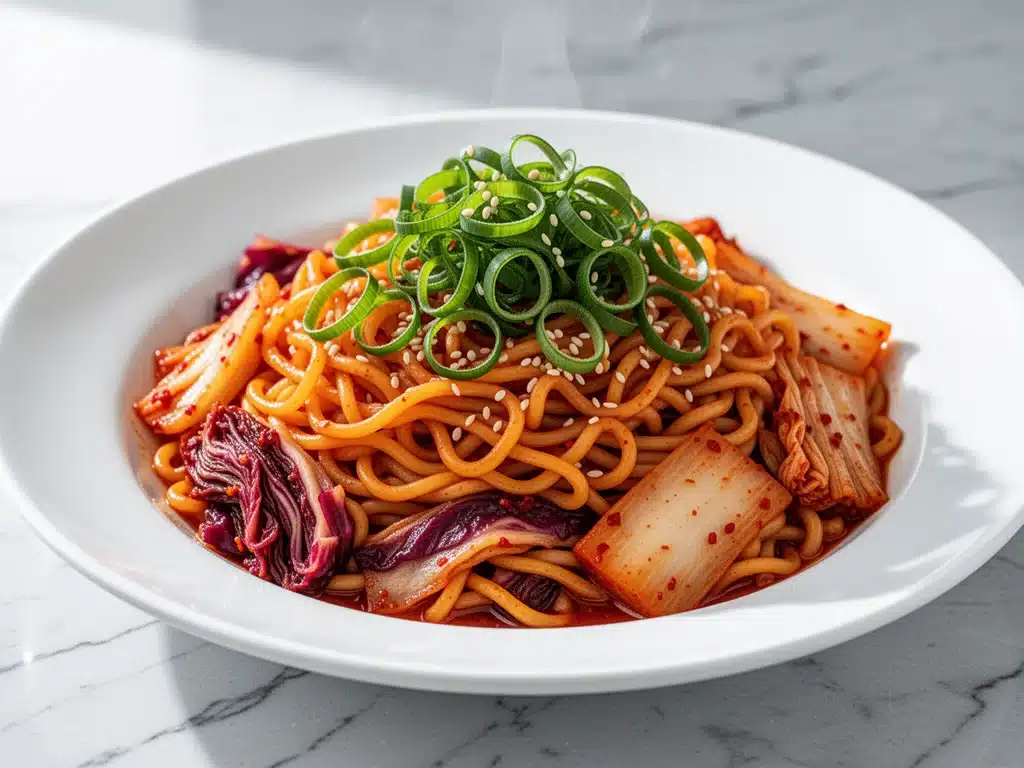
Last Tuesday, I was standing in my kitchen at 7:15 PM, staring into the abyss of my refrigerator. The kind of abyss where you see a half-empty jar of pickles, a sad-looking onion, and a package of ramen noodles that have been collecting dust since Thanksgiving. My partner had texted: “What’s for dinner?” I had exactly zero energy to cook, zero desire to order takeout (again), and a sudden, desperate craving for something hot, spicy, and deeply satisfying.
That was the moment I stopped thinking about “cooking” and started thinking about “saving dinner.” I grabbed the ramen, a handful of frozen spinach, and—crucially—a jar of kimchi I’d bought on a whim three weeks ago and forgotten about until now. I threw it all into a hot skillet with some soy sauce and sesame oil. Ten minutes later, I was eating the best thing I’d had all week.
It wasn’t fancy. It wasn’t even technically “healthy” in the traditional sense. But it was fast, it was flavor-packed, and it tasted like a restaurant dish I’d pay $18 for. This kimchi ramen noodle stir-fry has since become my go-to rescue mission for busy weeknights. It’s the culinary equivalent of a warm hug when you’re stressed, hungry, and tired of making decisions.
I’ve tested this recipe at least a dozen times since that night. I’ve tweaked the spice levels, swapped in different vegetables, and even tried it with instant rice (don’t—stick to the noodles). Every time, it works. It’s forgiving, it’s quick, and it uses ingredients you probably already have. If you’re looking for a way to get dinner on the table in under 20 minutes without sacrificing flavor, you need to try this. It’s simple, it’s bold, and it’s going to change your weeknight routine.
Why You’ll Love This Kimchi Ramen Noodle Stir-Fry
There are about ten reasons I keep coming back to this dish, but let’s be real: you don’t need another complicated recipe that requires seven different spices and three hours of prep time. You need dinner. And you need it now. Here’s why this kimchi ramen noodle stir-fry has earned a permanent spot in my rotation:
It’s Stupidly Fast — Seriously. From the moment you turn on the stove to the moment you’re eating, it takes about 15 minutes. I’ve made this on nights when I walked in the door at 7:30 PM, and it was ready by 7:45. If you can boil water and toss vegetables, you can make this.
It’s a Pantry Savior — You don’t need to go to the grocery store for this. I keep ramen packets, kimchi, and soy sauce stocked at all times. The rest is just whatever veggies are lingering in the crisper drawer. It’s the ultimate “clean out the fridge” meal.
The Flavor is Bold — Let’s not pretend healthy weeknight dinners are exciting. This one is. The kimchi adds a tangy, fermented punch that cuts through the richness of the noodles. The soy sauce and sesame oil bring the savory depth. It’s complex, but it tastes effortless.
It’s Customizable — Hate mushrooms? Skip them. Love tofu? Add it. Want it spicy? Add more gochujang. This recipe is a template, not a rulebook. I make it differently almost every time based on what I have or what I’m craving.
Leftovers are Actually Good — Most stir-fries turn soggy the next day. Not this one. The noodles absorb the sauce beautifully, and the flavors actually meld together overnight. I often eat this cold straight from the fridge for lunch, and it’s still amazing.
So basically, if you’re tired of the same old chicken and rice routine, or if you just want something that feels special but takes zero effort, this is it. It’s my answer to “what’s for dinner?” when I have no energy. It’s reliable, it’s delicious, and it’s going to save your weeknights.
Ingredients You’ll Need
Here’s the best part: you probably have most of these ingredients already. This kimchi ramen noodle stir-fry relies on a few key flavor builders, but the rest is flexible. I’m particular about the kimchi and the noodles, though. Here’s what you need:
Instant Ramen Noodles (2 packages / 100g each) — I use the standard packets (Shin or Shin Ramyun are great). I keep the seasoning packets—they add umami and salt. If you prefer less sodium, use half the packet or skip it and rely on the soy sauce. You can use rice noodles, but ramen holds up better to stir-frying.
Kimchi (1 cup / 150g, drained) — This is the star. Use aged kimchi if you have it—it’s tangier and more flavorful. If your kimchi is very watery, drain it well and squeeze out excess liquid. This prevents your stir-fry from becoming soup. I love Nongshim or Bapsang brands.
Soy Sauce (2 tablespoons / 30ml) — I use low-sodium soy sauce so I can control the saltiness. Regular soy sauce works too, but you might want to reduce the seasoning packet. Tamari is a good gluten-free option.
Sesame Oil (1 tablespoon / 15ml) — Toasted sesame oil is essential. It adds that nutty aroma that makes stir-fry smell like a restaurant. Don’t use untoasted sesame oil—it’s too mild. I keep a bottle in my pantry specifically for this.
Garlic (3 cloves, minced / about 1 tablespoon) — Fresh garlic is non-negotiable here. Jarred garlic doesn’t have the same punch. Mince it finely so it distributes evenly. If you’re worried about garlic breath, just accept it as part of the experience.
Ginger (1 teaspoon, grated / about 5g) — Fresh ginger adds brightness. Grate it finely. If you don’t have fresh, use ½ teaspoon ground ginger, but fresh is better.
Sesame Seeds (1 tablespoon / 10g) — For garnish. Toasted sesame seeds add a nice crunch and visual appeal. White or black sesame seeds both work.
Green Onions (2 stalks, sliced / about 30g) — For garnish and freshness. Use the white parts for cooking and the green parts for topping. I hate wasting any part of the onion.
Vegetables (1-2 cups / 150-300g) — This is where you get creative. I usually use:
- Mushrooms (shiitake or button, sliced): Add earthiness and meatiness.
- Spinach (fresh or frozen): Wilts quickly and adds color. Frozen spinach needs to be thawed and squeezed dry.
- Carrots (julienned): Add crunch and sweetness. Thin slices cook faster.
- Cabbage (shredded): Adds bulk and texture. Napa cabbage is best.
Optional Add-ins:
- Egg (1-2, beaten): Fry it separately and top the noodles, or scramble it into the pan. Adds protein.
- Protein (tofu, chicken, shrimp): Add ½ cup of cooked protein for a heartier meal. Tofu should be pressed and crispy.
- Gochujang (1 teaspoon): For extra heat and depth. Korean chili paste. I add this if I want it spicier.
- Butter (1 teaspoon): A tiny bit of butter at the end makes the sauce silky and rich. Sounds weird, but trust me.
Personal Tips: I always buy kimchi in the refrigerated section, not the shelf-stable jars. It’s fermented and alive, which means more flavor. If you’re new to kimchi, start with a mild variety. And don’t skip the sesame oil—it’s the difference between “okay” and “amazing.”
Equipment Needed
You don’t need fancy gadgets for this. Here’s what I actually use:
Large Skillet or Wok — I use a 12-inch non-stick skillet. A wok is ideal because of the shape, but a large skillet works fine. You need enough surface area so the noodles don’t steam instead of fry.
Spatula — A silicone or wooden spatula is best for stirring without scratching the pan. I have a cheap one from Target that’s perfect for this.
Kitchen Tongs — Great for tossing the noodles and vegetables. Makes mixing easier than a spoon.
Knife and Cutting Board — For prepping the vegetables and aromatics. Sharp knives make this faster.
Small Bowl — For mixing the sauce (soy sauce, sesame oil, etc.) before adding to the pan. Saves time during cooking.
Measuring Spoons — Standard stuff. I eyeball most of it, but measuring ensures consistency.
Optional but nice:
- Garlic Press — Saves time if you’re mincing lots of garlic. I use mine constantly.
- Microplane — For grating ginger finely. Makes it easier to distribute.
Tool Tips: Don’t have a wok? Any big pan works. Just make sure it’s large enough to hold everything without crowding. Crowding leads to steaming, not frying. And keep your spatula handy—stir-frying moves fast.
How to Make It: Step-by-Step
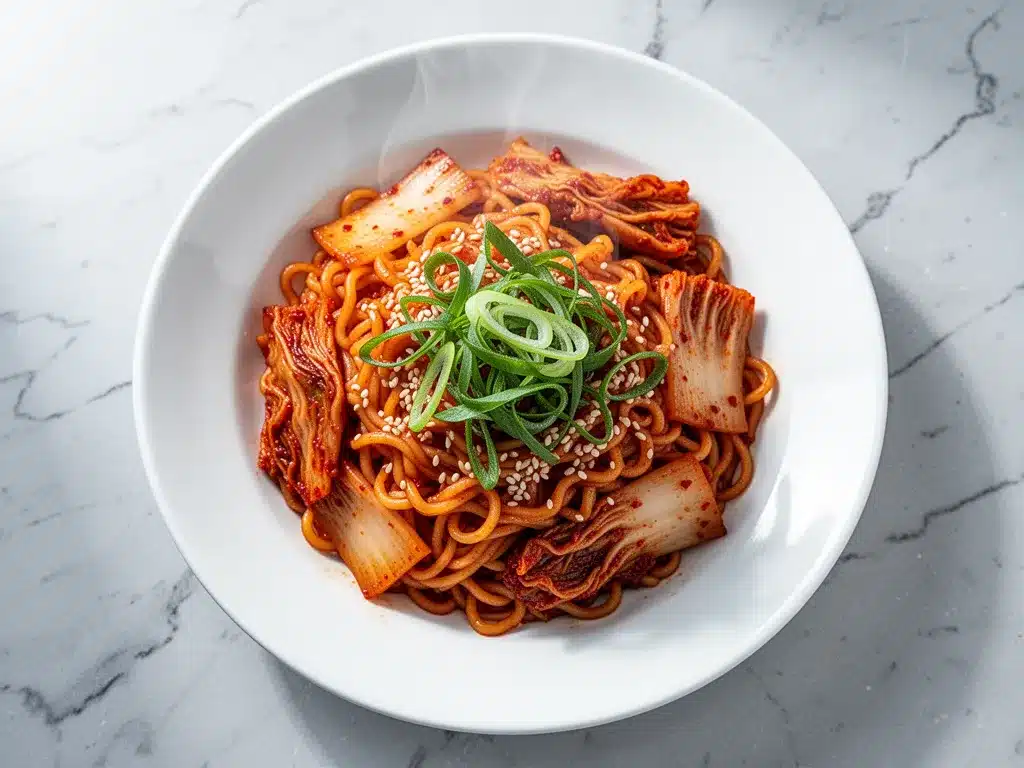
Alright, let’s make this! I’m walking you through exactly how I do it, including the little tricks I’ve picked up over time. This kimchi ramen noodle stir-fry is simple, but technique matters.
Step 1: Prep Your Ingredients (5 minutes)
Before you turn on the stove, chop your vegetables, mince your garlic and ginger, and drain your kimchi. I know it seems like extra work, but it makes the actual cooking way less stressful. Once you start, things move fast. Mix your sauce in a small bowl: soy sauce, sesame oil, and any other liquid seasonings. Set it aside.
Step 2: Cook the Noodles (3-4 minutes)
Boil water in a small pot. Add the ramen noodles (discard the seasoning packet if you’re using soy sauce for salt). Cook for 2-3 minutes until just tender. Drain the noodles and rinse them under cold water. This stops the cooking and removes excess starch, which helps them stay separate in the stir-fry. Toss them with a tiny bit of sesame oil to prevent sticking. Set aside.
Step 3: Sauté the Aromatics (2 minutes)
Heat your skillet or wok over medium-high heat. Add 1 tablespoon of oil (vegetable or canola). Once hot, add the minced garlic and grated ginger. Stir constantly for 30-60 seconds until fragrant. Don’t let it burn—browned garlic tastes bitter. If it starts to smoke, lower the heat.
Step 4: Add the Vegetables and Kimchi (3-4 minutes)
Add your harder vegetables first (carrots, mushrooms, onions). Stir-fry for 2 minutes until they start to soften. Then add the kimchi and softer vegetables (spinach, cabbage). Cook for another 2-3 minutes until the vegetables are tender-crisp and the kimchi is heated through. The kimchi will release some liquid, which is good—it adds flavor to the pan.
Step 5: Combine and Sauce (2 minutes)
Add the cooked noodles to the skillet. Pour the sauce over everything. Toss gently with tongs or a spatula to coat the noodles evenly. If you’re using the seasoning packet from the ramen, add it now. Taste and adjust: need more salt? Add soy sauce. Need more heat? Add gochujang or red pepper flakes. The noodles should be glossy and coated in sauce.
Step 6: Finish and Serve (1 minute)
Remove from heat. Drizzle with a little more sesame oil if you want extra aroma. Top with sliced green onions and toasted sesame seeds. If you’re adding an egg, fry it separately and place it on top. Serve immediately while hot.
Total Time: About 15-20 minutes (5 minutes prep, 15 minutes cooking).
Troubleshooting:
- Noodles are clumpy? Rinsed them too little or didn’t toss with oil. Next time, rinse thoroughly.
- Sauce is too salty? Use less seasoning packet or low-sodium soy sauce.
- Too watery? Your kimchi was too wet. Drain it better next time, or cook longer to evaporate liquid.
Expert Tips & Tricks
Here’s everything I’ve learned from making this dozens of times. These tips will save you from my mistakes.
Drain the Kimchi Well
This is the #1 tip. Kimchi is full of brine. If you don’t drain it, your stir-fry will be soggy. Squeeze it in a mesh strainer or paper towel. I learned this the hard way with a watery disaster that tasted like soup.
Rinse the Noodles
Rinsing the cooked noodles under cold water removes excess starch. This keeps them separate and prevents clumping. It also stops them from overcooking when you toss them in the hot pan.
High Heat is Key
Stir-frying requires high heat to get that slight char and avoid steaming. Make sure your pan is hot before adding ingredients. If it’s not hot enough, you’ll boil the vegetables instead of frying them.
Don’t Overcrowd the Pan
If you’re making a large batch, do it in two batches. Crowding the pan lowers the temperature and leads to steaming. You want that sizzle.
Toast the Sesame Seeds
Toast the sesame seeds in a dry pan for 1-2 minutes before garnishing. It brings out their nutty flavor. Raw seeds are fine, but toasted is better.
Add Butter at the End
A tiny bit of butter swirled in at the end makes the sauce silky and rich. It’s a restaurant trick, and it works. I’m not kidding.
Common Mistakes:
- Mistake: Noodles are mushy Fix: Don’t overcook them in the boiling water. They’ll finish cooking in the pan.
- Mistake: Sauce is too thin Fix: Cook longer to reduce, or add a cornstarch slurry (1 tsp cornstarch + 1 tsp water).
- Mistake: Too spicy Fix: Add a pinch of sugar or a dollop of butter to balance the heat.
Variations & Substitutions
Once you’ve nailed the basic version, here’s how you can mix it up. I’ve tried all of these.
Protein-Packed Version
Add ½ cup of cooked chicken, shrimp, or firm tofu. Cook the protein first, remove it, then proceed with the recipe. Add it back in at the end. Makes it more filling.
Veggie-Loaded Version
Double the vegetables. I love adding bell peppers, zucchini, or broccoli florets. Just make sure to cut them small so they cook quickly. This is how I get my kids to eat more veggies.
Spicy Version
Add 1-2 teaspoons of gochujang (Korean chili paste) or red pepper flakes. I add this when I want a kick. It pairs perfectly with the kimchi.
Creamy Version
Stir in 1-2 tablespoons of cream cheese or a splash of coconut milk at the end. It makes the sauce richer and milder. Great for balancing spicy kimchi.
Rice Version
Use cooked jasmine or short-grain rice instead of noodles. It’s a lighter option. Adjust the sauce amount since rice absorbs less liquid.
Dietary Modifications:
- Gluten-Free: Use tamari instead of soy sauce, and check that your ramen is gluten-free (some Shin Ramyun is not).
- Vegan: Skip the egg, use tofu, and ensure your kimchi is vegan (some have fish sauce).
- Low-Sodium: Use low-sodium soy sauce and no seasoning packet. Rinse the kimchi to remove excess salt.
Serving & Storage
How to Serve:
I usually serve this straight from the skillet. It looks rustic and stays warm. But here are other ways I’ve enjoyed it:
- With a Fried Egg: Top with a sunny-side-up egg. The yolk acts as a sauce. Amazing.
- With Pickles: Serve with quick-pickled cucumbers or radishes to cut the richness.
- With Rice: If you’re using noodles as a base, serve with a side of steamed rice.
Toppings Bar:
When I have guests, I put out: extra sesame seeds, sliced green onions, chili oil, and lime wedges. Everyone customizes their bowl.
Storage Instructions:
- Refrigerator: Store in an airtight container for up to 3 days. The noodles will absorb the sauce, so it might look dry. Add a splash of water when reheating.
- Reheating: Best method: Microwave with a splash of water for 1-2 minutes, stirring halfway. Or reheat in a skillet with a little water. Don’t skip the water—it brings the noodles back to life.
- Freezing: Honestly, this doesn’t freeze well. The noodles get mushy, and the kimchi changes texture. Make it fresh or store in the fridge for up to 3 days.
Nutrition Information
I’m not a nutritionist, but here’s the breakdown if you’re tracking. Note: This varies based on ingredients used.
Per Serving (based on 2 servings):
- Calories: 450
- Protein: 12g
- Carbs: 65g
- Fiber: 3g
- Sugar: 5g
- Fat: 15g
- Sodium: 900mg (varies by soy sauce/ramen packet)
What’s Good:
- Good source of carbs for energy
- Kimchi adds probiotics (if fresh)
- Can add vegetables to boost fiber and vitamins
What to Know:
- Higher in sodium from ramen and soy sauce
- Contains gluten (unless modified)
- Can be made lower-carb by using rice noodles or zucchini noodles
My Take:
Look, this is comfort food. It’s not a diet recipe. But it’s way better than takeout, costs less, and I know exactly what’s in it. When I want to make it lighter, I use less ramen, more veggies, and low-sodium soy sauce. But usually? I just eat a reasonable portion and enjoy it.
Final Thoughts
So that’s my go-to kimchi ramen noodle stir-fry! I’ve probably talked your ear off at this point, but when you make a recipe this often, you have a lot to say about it.
This has saved weeknight dinners more times than I can count. It’s my answer to “what’s for dinner?” when I’m tired, don’t want takeout, and still want something that tastes really good. My kids are happy, my partner’s happy, and I’m happy because I’m not stressed about cooking.
Make it yours! Try different add-ins, swap in your favorite vegetables, adjust the spice level. The best recipes are the ones you adapt to your family’s tastes.
If you make this, drop a comment and let me know what you think! I love hearing how recipes turn out in your kitchen. And if something doesn’t work, tell me that too—I’m here to help troubleshoot.
Happy cooking! And I hope your kitchen smells half as good as mine does right now.
Frequently Asked Questions
Q: Can I use fresh ramen instead of instant?
A: You can, but instant ramen is softer and absorbs the sauce better. Fresh ramen is chewier and might not hold up as well to the stir-fry. If you use fresh, cook it al dente and don’t overcook it.
Q: My stir-fry is too spicy—what can I do?
A: Add a pinch of sugar or a dollop of butter to balance the heat. You can also add more vegetables or noodles to dilute the spice. Avoid adding water—it’ll make it watery.
Q: Can I make this ahead for meal prep?
A: Yes, but store the sauce separately if possible. Cook the noodles fresh each day, or reheat with a splash of water. The noodles will absorb the sauce overnight, so they might be drier.
Q: Why did my stir-fry turn out watery?
A: Usually means your kimchi was too wet or you didn’t cook it long enough to evaporate the liquid. Drain the kimchi well and cook on high heat to reduce.
Q: Can I use tofu instead of meat?
A: Absolutely! Use firm tofu, press it, and fry it until crispy before adding to the stir-fry. It absorbs the sauce beautifully and adds protein.
Q: How long does this last in the fridge?
A: Up to 3 days in an airtight container. Reheat with a splash of water to restore moisture.
Q: Can I freeze this?
A: Not recommended. The noodles get mushy, and the kimchi changes texture. Make it fresh for best results.
Pin This Recipe!
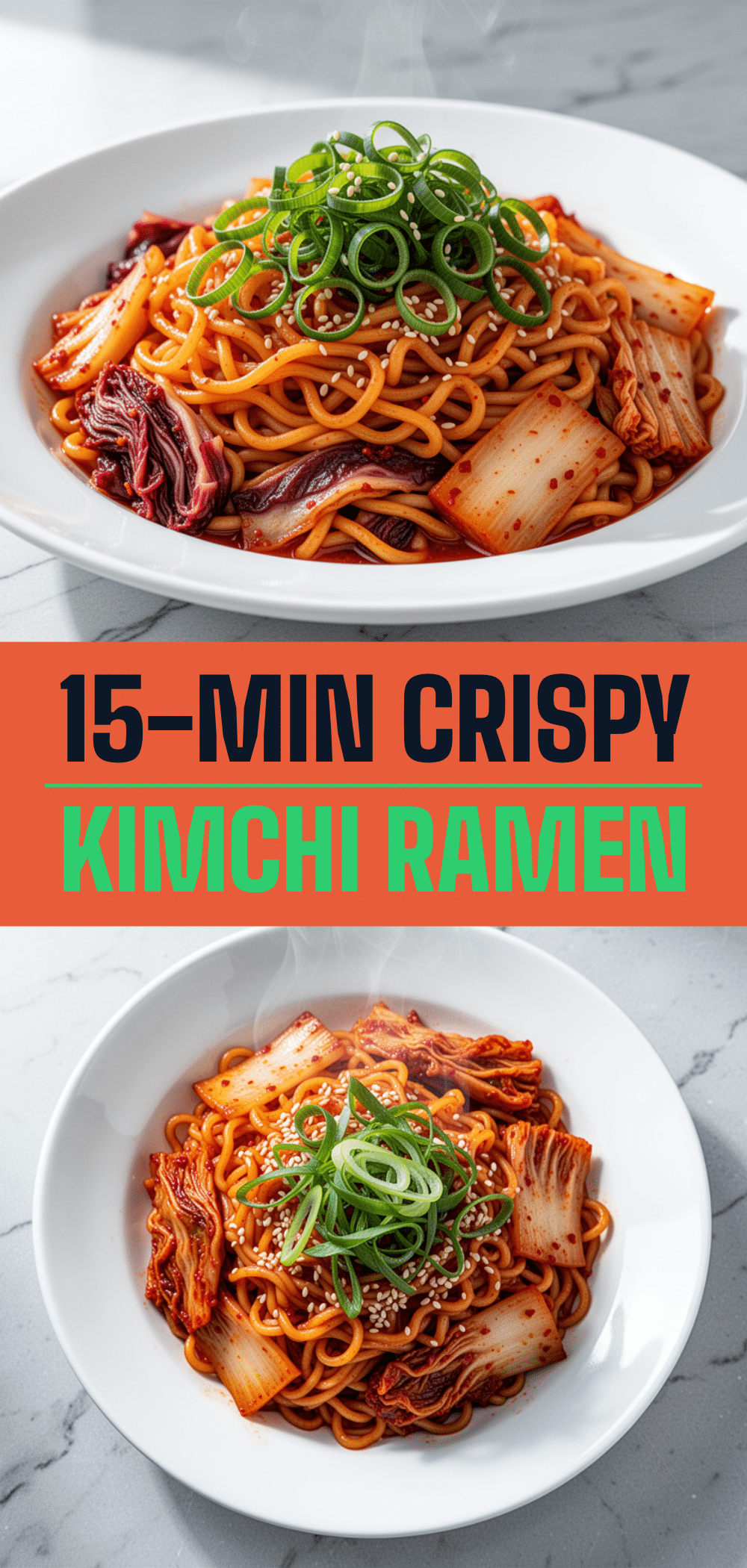
Kimchi Ramen Noodle Stir-Fry: 5-Min Easy Weeknight Dinner
- Total Time: 20 minutes
- Yield: 2 servings 1x
Description
A fast, flavor-packed weeknight dinner that combines instant ramen noodles with tangy kimchi, fresh vegetables, and savory sauces. This stir-fry is customizable, forgiving, and ready in under 20 minutes.
Ingredients
- 2 packages (100g each) Instant Ramen Noodles (e.g., Shin or Shin Ramyun)
- 1 cup (150g) Kimchi, drained and squeezed dry
- 2 tablespoons (30ml) Soy Sauce (low-sodium recommended)
- 1 tablespoon (15ml) Toasted Sesame Oil
- 3 cloves Garlic, minced
- 1 teaspoon Ginger, grated
- 1 tablespoon Sesame Seeds, toasted
- 2 stalks Green Onions, sliced (white parts for cooking, green for garnish)
- 1–2 cups Vegetables (e.g., mushrooms, spinach, carrots, cabbage)
- Optional: 1-2 Eggs, beaten
- Optional: ½ cup Protein (tofu, chicken, shrimp)
- Optional: 1 teaspoon Gochujang (Korean chili paste)
- Optional: 1 teaspoon Butter
Instructions
- Prep ingredients: Chop vegetables, mince garlic and ginger, and drain kimchi. Mix soy sauce and sesame oil in a small bowl.
- Cook noodles: Boil water and cook ramen noodles for 2-3 minutes until tender. Drain and rinse under cold water to remove starch. Toss with a little sesame oil to prevent sticking.
- Sauté aromatics: Heat a large skillet or wok over medium-high heat with 1 tablespoon oil. Add garlic and ginger, stirring for 30-60 seconds until fragrant.
- Add vegetables and kimchi: Add harder vegetables (carrots, mushrooms) and stir-fry for 2 minutes. Add kimchi and softer vegetables (spinach, cabbage), cooking for another 2-3 minutes until tender-crisp.
- Combine and sauce: Add cooked noodles to the skillet. Pour sauce over everything and toss to coat evenly. Add ramen seasoning packet if desired. Taste and adjust seasoning.
- Finish and serve: Remove from heat. Drizzle with extra sesame oil if desired. Top with green onions and toasted sesame seeds. Serve immediately.
Notes
Drain kimchi well to prevent a watery stir-fry. Rinse noodles under cold water to prevent clumping. Use high heat for proper stir-frying. Do not overcrowd the pan. Leftovers keep well in the fridge for up to 3 days; reheat with a splash of water. This recipe does not freeze well.
- Prep Time: 5 minutes
- Cook Time: 15 minutes
- Category: Main Course
- Cuisine: Korean-American
Nutrition
- Serving Size: 1 serving (approx. 1
- Calories: 450
- Sugar: 5
- Sodium: 900
- Fat: 15
- Saturated Fat: 3
- Carbohydrates: 65
- Fiber: 3
- Protein: 12
Keywords: kimchi ramen, stir fry, weeknight dinner, easy recipe, spicy noodles, quick meals, vegetarian option, gluten-free option