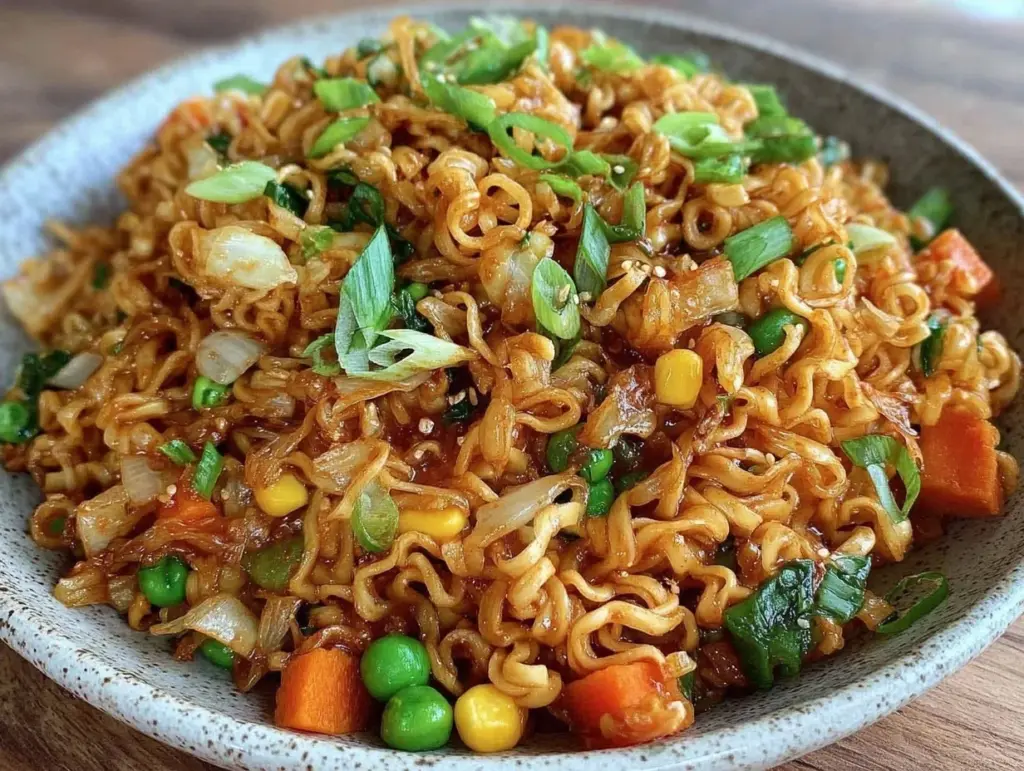
It was 2:00 AM during finals week of my sophomore year. My stomach was growling loud enough to wake the entire dorm floor, and my bank account balance was hovering around $12.47. I had two options: buy a bag of chips for $2.50 and go to bed hungry, or attempt to salvage a pack of instant ramen noodles I’d been hoarding for a month. I chose the ramen. But I didn’t just boil it. I threw in a handful of frozen peas, a cracked egg, and a splash of soy sauce I’d stolen from the dining hall’s condiment bar. What came out of that tiny hot plate wasn’t just edible—it was actually delicious. It was salty, savory, and surprisingly filling. That midnight snack became my survival strategy for the rest of the semester.
If you’re a student living on a tight budget, or just someone who wants a cheap meal that doesn’t taste like cardboard, you need this budget college ramen stir fry in your rotation. I’ve made this exact recipe dozens of times when money was tight and time was tighter. It takes 10 minutes, costs less than $2 per serving, and uses ingredients you probably already have or can grab on your way home from the grocery store. This isn’t about gourmet dining; it’s about eating well without wrecking your wallet. Here’s how to turn a $1 box of noodles into a legit dinner.
Why You’ll Love This Budget College Ramen Stir Fry
Let’s be real: eating out is expensive, and meal prepping for one person can feel like a lot of work for just one plate. This budget college ramen stir fry solves the “what’s for dinner” panic without the stress. It’s practical, it’s fast, and it respects your bank account. Here’s why I keep coming back to this simple dish:
- Stupidly Cheap — Seriously, the base cost is under $2. You’re buying noodles, an egg, and maybe some veggies. That’s it. I’ve eaten this for weeks straight when rent was due.
- Lightning Fast — 10 minutes from start to finish. If you can boil water, you can make this. I make this on weeknights when I get home from class at 9pm and am too tired to think.
- Pantry-Friendly — You probably have the noodles and soy sauce already. The rest are cheap staples like frozen veggies or an egg. I keep ramen packets in my cupboard just for emergencies like this.
- Customizable — Don’t like peas? Use spinach. Want more protein? Add hot dogs or spam. This recipe stretches to fit whatever you have in your mini-fridge.
- One-Pan Wonder — Minimal cleanup is a huge plus when you’re sharing a kitchen with three other people or living in a tiny dorm room with a single hot plate.
- Budget-Smart — Feeds one person for pennies. That’s less than a soda at the convenience store.
This is my go-to when I need dinner to just work. No complicated techniques, no weird ingredients, just reliable, cheap food that keeps me full and happy.
Ingredients You’ll Need
Here’s the best part: you probably have most of this already. I’m particular about a few things, but mostly, this is about using what’s cheap and available.
The Base
Instant Ramen Noodles (1 packet / 85g) — I use the standard chicken or beef flavor packets. Don’t use the seasoning if you’re adding lots of soy sauce and garlic, as it can get too salty. I keep Maruchan or Shin Ramyun in stock. The noodles are cheap, filling, and cook in 3 minutes.
Egg (1 large) — This is the secret to making ramen feel like a real meal. The egg adds protein and makes it more filling. I usually scramble it in the pan first, then set it aside, or push it to the side to cook in the noodles. Either way works.
Frozen Mixed Vegetables (1 cup / 100g) — Peas and carrots are the classic choice because they’re cheap and sweet. Broccoli florets work too if you chop them small. Frozen veggies are cheaper than fresh and don’t spoil in your dorm fridge. I buy the big bags and keep them in my freezer.
The Flavor
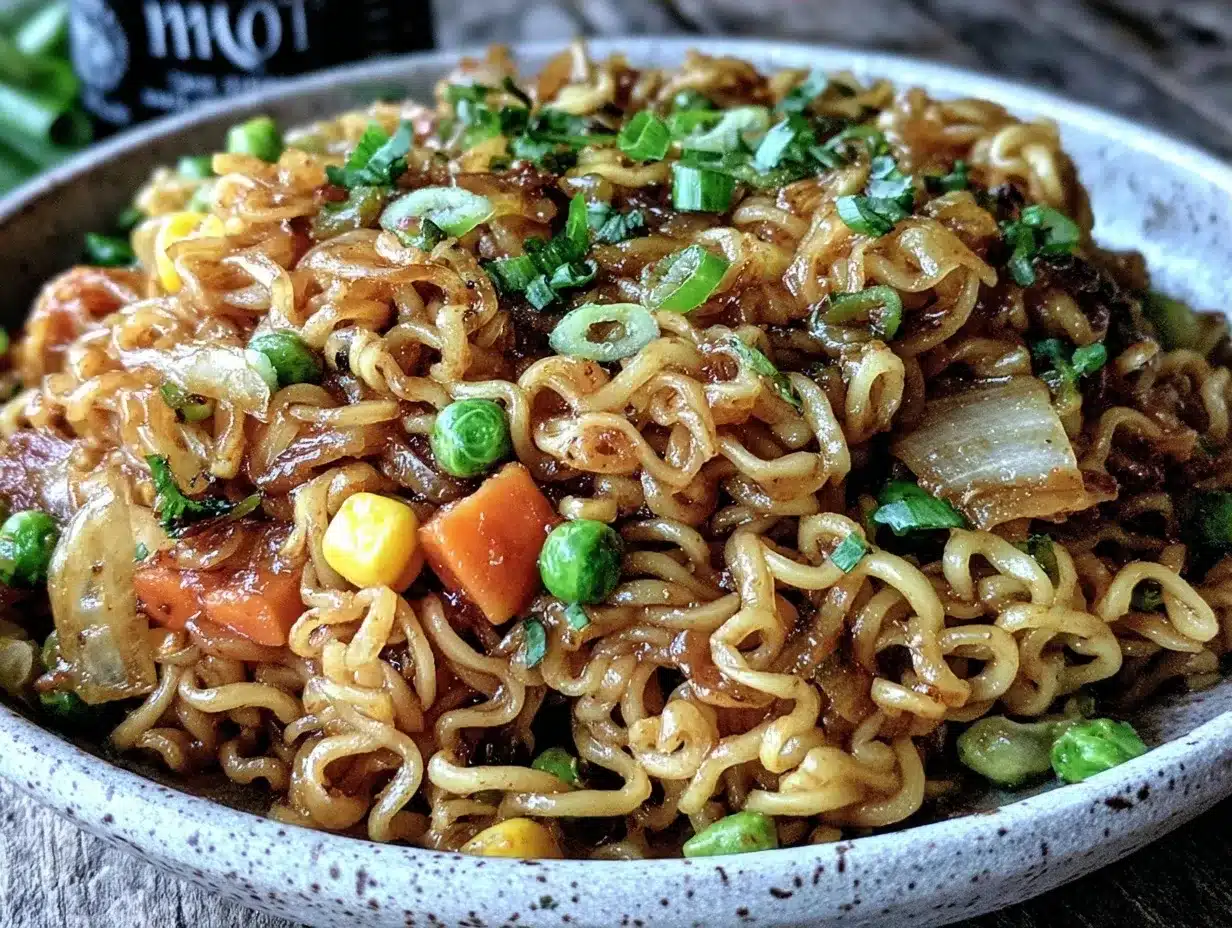
Soy Sauce (1 tablespoon / 15ml) — This is what turns bland noodles into something savory. I use regular Kikkoman or any cheap brand. If you don’t have soy sauce, salt works, but soy sauce adds that umami depth. Don’t use too much, or it’ll be inedible.
Sesame Oil (1 teaspoon / 5ml) — Optional but highly recommended. A little bit goes a long way. It adds that restaurant-style aroma. If you don’t have it, skip it. It’s not a dealbreaker.
Garlic (1 clove, minced / or ½ teaspoon garlic powder) — Fresh garlic is best, but if you’re lazy, garlic powder works. I mince one clove because it smells amazing and costs pennies. If you don’t have fresh garlic, just skip it. The soy sauce carries the flavor.
Red Pepper Flakes (½ teaspoon) — Optional. If you like heat, add this. If not, skip it. It adds a nice kick without costing anything extra.
Optional Add-ins
Hot Dogs or Spam (2-3 slices) — Sliced up and fried in the pan first. This is how I add extra protein when I’m really hungry. Hot dogs are cheap and filling.
Green Onions (1 stalk, chopped) — For garnish. Adds color and a fresh bite. If you don’t have them, don’t worry about it.
Corn (½ cup / 50g) — Sweet corn adds a nice contrast to the salty soy sauce. Frozen corn works great.
Cheese (1 tablespoon / 10g, shredded) — I know, it’s weird. But melting a little cheddar on top of ramen stir fry is surprisingly good. I tried it once and now I do it sometimes.
Personal Tips:
– I always buy the cheapest ramen I can find. The flavor packets are the same regardless of brand.
– If you’re watching sodium, skip the seasoning packet entirely and rely on soy sauce and garlic powder.
– Frozen veggies are your friend. They’re pre-chopped, cheap, and won’t go bad.
Common Questions
Can I use fresh vegetables? Yes, but they cost more and spoil faster. Frozen is better for budget cooking. If you use fresh, chop them small so they cook quickly.
Where do I find sesame oil? It’s in the Asian aisle of most grocery stores. It’s small and cheap, usually under $3. If you don’t have it, you can skip it.
Can I make this ahead? Not really. Ramen noodles get mushy if they sit in sauce. Best to make it fresh and eat it right away.
Equipment Needed
You don’t need fancy equipment for this. Here’s what I actually use.
Small Skillet or Pan — I use an 8-inch non-stick skillet. It fits perfectly on a single-burner hot plate. If you’re in a dorm, this is essential.
Spatula — For stirring and scrambling the egg. Silicone or wooden works fine. Don’t use metal on non-stick.
Knife — For chopping green onions or garlic. A small paring knife is enough.
Cutting Board — Any small board works. I use a plastic one that fits in the sink for easy cleanup.
Measuring Spoons — For soy sauce and sesame oil. If you don’t have them, use the cap of the bottle as a rough guide. It’s not precise, but it works.
Optional but nice:
– Garlic Press — Saves time if you’re mincing fresh garlic.
– Paper Towels — For blotting excess oil from hot dogs or spam.
Tool Tips:
– Don’t have a skillet? A microwave-safe bowl works if you microwave the noodles and veggies separately. But the pan tastes better because the noodles get slightly crispy.
How to Make It: Step-by-Step
Alright, let’s make this! I’m walking you through exactly how I do it, including the little tricks I’ve picked up.
Step 1: Prep Your Ingredients (2 minutes)
Before you start cooking, crack your egg and beat it lightly with a fork. Chop your green onions if you’re using them. If you’re using fresh veggies, chop them small. Have your soy sauce and sesame oil ready. Once you start cooking, things move fast.
Step 2: Cook the Egg (2 minutes)
Heat your skillet over medium heat with a tiny splash of oil (or just dry heat if you’re being super budget). Pour in the beaten egg. Scramble it quickly until it’s just cooked but still soft. Remove the egg from the pan and set it aside on a plate. This keeps it from getting rubbery while you cook the noodles.
Step 3: Sauté the Veggies (2 minutes)
In the same pan, add your frozen vegetables. If they’re frozen solid, they’ll release water as they thaw. Cook them for 2-3 minutes until they’re hot and the water has evaporated. If you’re using fresh veggies, cook them until tender. Add the minced garlic now if you’re using it, and stir for 30 seconds until fragrant. Don’t burn the garlic!
Step 4: Cook the Noodles (3 minutes)
Break the ramen noodle block in half if you want (it helps them cook evenly). Add the noodles to the pan with the veggies. Pour in about ½ cup of water (or use the water from boiling the noodles if you prefer). Cover the pan with a lid (or a plate) and let it steam for 2-3 minutes until the noodles are soft. If you’re using the seasoning packet, add it now, but I usually skip it to control the salt.
Step 5: Add the Sauce (1 minute)
Remove the lid. Pour in the soy sauce and sesame oil. Toss everything together so the noodles are coated. If the noodles look dry, add a splash more water. The sauce should cling to the noodles, not pool at the bottom.
Step 6: Combine and Finish (1 minute)
Add the cooked egg back into the pan. Toss it with the noodles and veggies. Taste and adjust salt if needed. If it’s too bland, add a pinch more soy sauce. If it’s too salty, add a splash of water.
Step 7: Serve
Serve immediately in a bowl. Top with chopped green onions and red pepper flakes if you like. Eat it while it’s hot.
Total Time: About 10 minutes (2 minutes prep, 8 minutes cooking)
Built-in Troubleshooting:
– Noodles too dry? Add a splash of water or broth.
– Noodles too watery? Cook uncovered for another minute to evaporate the liquid.
– Egg rubbery? You overcooked it in Step 2. Remove it sooner next time.
Visual/Sensory Cues:
– You’ll know the noodles are ready when they’re soft and pliable, not crunchy.
– The sauce should look glossy and coat the noodles evenly.
– The finished dish should smell savory and slightly nutty from the sesame oil.
Expert Tips & Tricks
Here’s everything I’ve learned from making this dozens of times. These tips will save you from my mistakes.
Don’t Use the Seasoning Packet
This is the #1 tip. The seasoning packets are full of sodium and artificial flavor. By using soy sauce and garlic, you get a cleaner, less salty taste. I’ve tried it with the packet, and it’s too much. Skip it. Trust me.
Scramble the Egg First
Don’t crack the egg directly into the noodles. It will stick to the pan and look messy. Scramble it separately, then mix it in. It’s cleaner and the egg stays fluffy.
Use Frozen Veggies
Frozen veggies are cheaper and don’t spoil. They also cook quickly in the pan. I buy the cheapest bag I can find. It’s the same quality as fresh, just frozen.
Low Heat for Egg
High heat makes the egg rubbery. Keep the heat medium-low when cooking the egg. It takes an extra minute, but it’s worth it.
Splash of Water
If the noodles look dry after adding the soy sauce, add a tablespoon of water. The starch from the noodles will thicken the sauce, but you need some liquid to help it coat.
Common Mistakes (and how to avoid them)
Mistake: Noodles are mushy
Fix: Don’t overcook them. Ramen noodles cook in 3 minutes. If they’re still hard, add a splash of water and cover for another minute.
Mistake: Everything is too salty
Fix: Use less soy sauce next time. Or add a splash of water to dilute it. You can always add more, can’t take it away.
Mistake: Veggies are cold
Fix: Make sure you cook the frozen veggies until the water evaporates. If they’re still icy, they’ll make the noodles soggy.
Pro Tricks I’ve Learned
For Extra Flavor
Add a teaspoon of peanut butter or tahini to the soy sauce. It adds richness and makes it taste like a Thai-inspired noodle dish.
For Better Texture
Let the noodles sit in the pan for 30 seconds after adding the sauce. They’ll absorb the flavor and get slightly crispy on the edges.
Make-Ahead Strategy
You can prep the veggies and beat the egg the night before. Store them in containers in the fridge. In the morning, just toss them in the pan. Takes 5 minutes.
Variations & Substitutions
Once you’ve nailed the basic version, here’s how you can mix it up. I’ve tried all of these.
Spicy Ramen Stir Fry
Add 1 teaspoon of chili garlic sauce or Sriracha to the soy sauce. This is my favorite when I want a kick. It’s still cheap and easy.
Protein-Packed
Add sliced hot dogs, spam, or leftover chicken. Fry the meat first, then remove it, and cook the veggies. Add it back at the end. This makes it more filling.
Vegetarian Version
Skip the egg or use a tofu scramble. Use vegetable broth instead of water if you want extra flavor. This is how I make it when I’m not eating meat.
Asian-Style Noodles
Swap soy sauce for hoisin sauce. Add a splash of rice vinegar. This makes it taste more like takeout. I like this version for variety.
Dietary Modifications
Gluten-Free
Use gluten-free ramen noodles (like Shirataki or rice noodles). Check your soy sauce is gluten-free (Tamari is a good option). Everything else is naturally gluten-free.
Lower-Sodium
Skip the seasoning packet and use low-sodium soy sauce. Add more garlic and pepper for flavor instead of salt.
Vegan
Skip the egg and use tofu or chickpeas. Use vegetable broth. It’s still cheap and satisfying.
Serving & Storage
How to Serve:
I usually serve this straight from the pan. It’s rustic and easy. But here are other ways I’ve enjoyed it:
- Side Dishes: A simple side salad with vinegar and oil. Or just eat it plain. It’s filling enough.
- Toppings Bar: When I have guests (rarely, in a dorm), I put out: extra red pepper flakes, sesame seeds, green onions, and chili oil.
Storage Instructions:
Refrigerator:
Store in an airtight container for up to 2 days. The noodles will absorb the sauce and get softer. It’s still good, just different.
Reheating:
Best method: Add a splash of water to a skillet and heat gently over medium heat. Stir until warm.
Microwave method: Heat in 30-second intervals, stirring between. Add a splash of water to prevent drying out.
Never works: Trying to reheat it dry. It will stick to the pan. Ask me how I know.
Freezing:
Honestly, this doesn’t freeze well. The noodles get mushy and the veggies turn to mush. Make it fresh or store in the fridge for up to 2 days.
Meal Prep:
Prep the veggies and beat the egg the night before. Cook it fresh in the morning. Takes 5 minutes and tastes better than reheated.
Pro tip: If leftovers are drying out, stir in a teaspoon of sesame oil when reheating. Brings back that flavor.
Nutrition Information
I’m not a nutritionist, but here’s the breakdown if you’re tracking.
Per Serving (based on 1 serving):
– Calories: 350
– Protein: 12g
– Carbs: 45g
– Fiber: 3g
– Sugar: 4g
– Fat: 14g
– Saturated Fat: 3g
– Cholesterol: 185mg
– Sodium: 800mg (varies based on soy sauce and ramen brand)
What’s Good:
– Decent protein from the egg
– Fiber from the veggies
– Cheap and filling
– Quick to make
What to Know:
– Higher in sodium from the soy sauce and ramen
– Contains gluten (unless using GF noodles)
– Moderate calories for a single meal
My Take:
Look, this is comfort food. It’s not a diet recipe. But it’s way better than instant noodles alone, costs less, and I know exactly what’s in it. When I want to make it lighter, I add more veggies and skip the egg. But usually? I just eat it and enjoy it.
Dietary Notes:
– Contains: gluten, dairy (if using butter), egg
– Can be made: gluten-free, vegetarian, vegan
– Not suitable for: dairy-free (without modifications), gluten-free (without modifications)
Final Thoughts
So that’s my go-to budget college ramen stir fry! I’ve probably talked your ear off at this point, but when you make a recipe this often, you have a lot to say about it.
This has saved me from hunger many times. It’s my answer to “what’s for dinner” when I’m tired, broke, and don’t want to cook anything fancy. My stomach is happy, my wallet is happy, and I’m happy because I’m not stressed about cooking.
Make it yours! Try different add-ins, swap in your favorite vegetables, adjust the spice level. The best recipes are the ones you adapt to your tastes.
If you make this, drop a comment and let me know what you think! I love hearing how recipes turn out in your kitchen. And if something doesn’t work, tell me that too—I’m here to help troubleshoot.
Happy cooking! And I hope your kitchen smells half as good as mine does right now.
Frequently Asked Questions
Can I use fresh vegetables instead of frozen?
You can, but they cost more and spoil faster. If you use fresh, chop them small so they cook quickly. Frozen veggies are cheaper and don’t go bad in your dorm fridge. I always recommend frozen for budget cooking.
My noodles are too salty—what happened?
Usually means you used the seasoning packet plus soy sauce. Skip the packet next time. If it’s already salty, add a splash of water to dilute it. You can also add a little sugar to balance the salt.
Can I make this ahead for later?
Not really. Ramen noodles get mushy if they sit in sauce. Best to make it fresh and eat it right away. If you must prep, just prep the veggies and egg the night before.
Why did my egg get rubbery?
The heat was too high when you cooked the egg. Keep the heat medium-low and remove it from the pan as soon as it’s cooked. It will finish cooking in the residual heat.
Can I use different noodles?
Yes! Udon, soba, or rice noodles work. Just adjust the cooking time. Udon takes longer, rice noodles cook faster. The method is the same.
How do I reheat leftovers without it getting dry?
Add a splash of water to a skillet and heat gently. Stir frequently. The extra liquid brings back the moisture. Microwave sort of works but tends to dry it out. If you do microwave, definitely add water first.
Can I double this recipe?
Absolutely! Double everything and use a larger pan. The cooking times stay the same. I do this when I’m meal-prepping for two days. Just make sure your pan is big enough for the noodles.
Pin This Recipe!
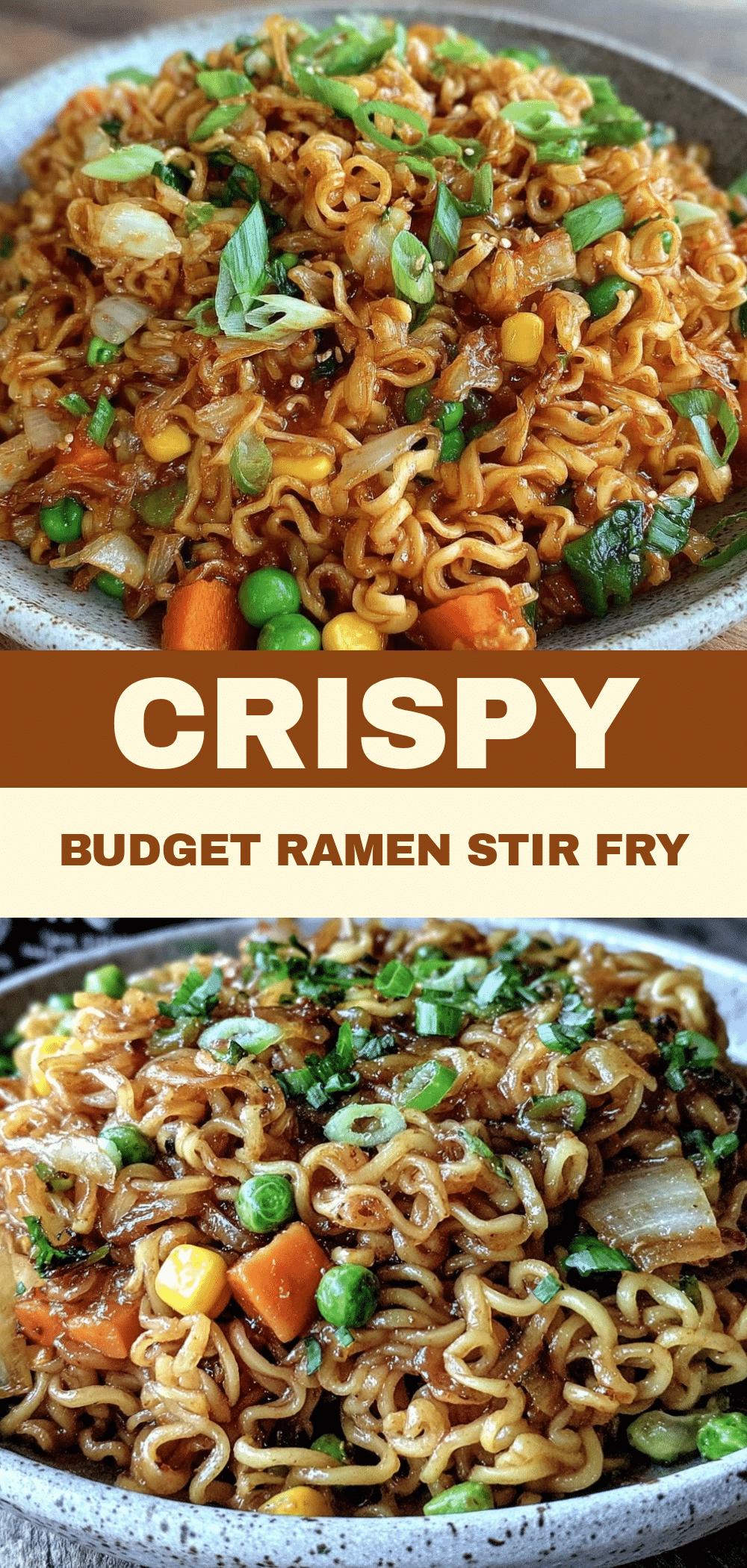

Budget College Ramen Stir Fry
- Total Time: 10 minutes
- Yield: 1 serving 1x
Description
A cheap, fast, and customizable stir fry made with instant ramen, eggs, and frozen vegetables. Perfect for students or anyone on a tight budget who needs a delicious meal in under 10 minutes.
Ingredients
- 1 packet (85g) Instant Ramen Noodles (chicken or beef flavor)
- 1 large Egg
- 1 cup (100g) Frozen Mixed Vegetables (peas and carrots)
- 1 tablespoon (15ml) Soy Sauce
- 1 teaspoon (5ml) Sesame Oil
- 1 clove Garlic, minced (or ½ teaspoon garlic powder)
- ½ teaspoon Red Pepper Flakes (optional)
- Water (for cooking noodles)
- Optional: Hot dogs, Spam, Green Onions, Corn, or Cheese
Instructions
- Prep ingredients: Crack and lightly beat the egg. Chop green onions if using. Have soy sauce and sesame oil ready.
- Cook the egg: Heat a skillet over medium heat. Pour in beaten egg and scramble until just cooked but still soft. Remove from pan and set aside.
- Sauté veggies: In the same pan, add frozen vegetables. Cook for 2-3 minutes until hot and water has evaporated. Add minced garlic and stir for 30 seconds until fragrant.
- Cook noodles: Break ramen block in half. Add noodles to the pan with veggies. Pour in ½ cup water. Cover and steam for 2-3 minutes until noodles are soft. Skip the seasoning packet to control salt.
- Add sauce: Remove lid. Pour in soy sauce and sesame oil. Toss to coat noodles evenly. Add a splash of water if noodles look dry.
- Combine and finish: Add cooked egg back to the pan. Toss with noodles and veggies. Taste and adjust salt if needed.
- Serve: Serve immediately in a bowl. Top with green onions and red pepper flakes if desired.
Notes
Skip the seasoning packet included with the ramen to avoid excessive sodium and artificial flavors. Use frozen vegetables for cost savings and convenience. If noodles are too dry, add a splash of water. If too salty, add water to dilute. Do not freeze leftovers as noodles become mushy.
- Prep Time: 2 minutes
- Cook Time: 8 minutes
- Category: Main Course
- Cuisine: Asian
Nutrition
- Serving Size: 1 bowl
- Calories: 350
- Sugar: 4
- Sodium: 800
- Fat: 14
- Saturated Fat: 3
- Carbohydrates: 45
- Fiber: 3
- Protein: 12
Keywords: budget ramen, college meals, cheap dinner, quick recipes, student food, stir fry, instant noodles, one pan meal