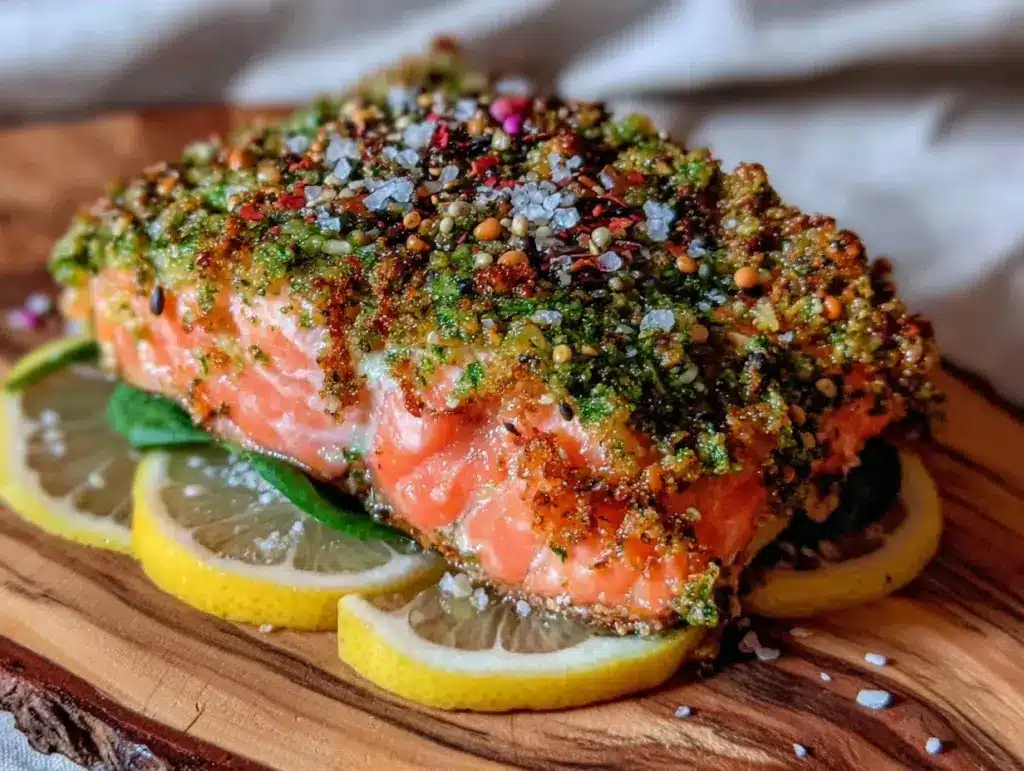
Last month, I was standing in my kitchen at 6:30 PM, staring at a raw salmon fillet with genuine dread. My doctor had just given me my quarterly blood work results, and the numbers were a little too high. I wasn’t on a strict medical diet, but I was definitely in “eat smarter” mode. I didn’t want bland, steamed fish. I didn’t want another sad bowl of plain greens. I wanted something that felt like a treat—something rich, flavorful, and deeply satisfying—without spiking my blood sugar or leaving me feeling sluggish an hour later.
I threw together what I thought would be a mediocre, healthy dinner. I slathered the fish in a mustard and herb paste, popped it in the oven, and waited. When it came out, the crust was golden and crisp, the fish was flaky and moist, and the kitchen smelled like a high-end bistro. My husband took one bite and asked, “Are you sure this is allowed on your ‘diet’?” It was the best compliment I could have received.
That night, I realized that eating well for blood sugar management doesn’t mean sacrificing joy. It just means being smarter about how you build flavor. This Diabetic-Friendly Baked Salmon with Dijon Herb Crust has become my go-to weeknight dinner, and honestly, I’ve made it at least a dozen times since. It’s packed with omega-3s, low in carbs, and tastes so indulgent that my family forgets it’s actually good for them. If you’ve been feeling stuck in a healthy eating rut, trust me on this one. It’s time to get creative.
Why You’ll Love This Recipe
There are a lot of reasons I keep coming back to this salmon dish, but they all boil down to one thing: it just works. It’s not a compromise; it’s an upgrade. Here’s why this Diabetic-Friendly Baked Salmon with Dijon Herb Crust is going to earn a permanent spot in your rotation:
- Zero Guilt, All Flavor — Seriously, the Dijon mustard and fresh herbs create a crust that tastes like restaurant-quality seafood. No need for heavy creams or sugary glazes. The flavor comes from aromatic herbs and sharp mustard, which are both blood-sugar friendly.
- Under 30 Minutes — From start to finish, this takes about 25 minutes. That’s perfect for those weeknights when you’re exhausted but still want to cook something fresh. I don’t have time to marinate overnight for a Tuesday dinner.
- Stabilizes Blood Sugar — The combination of healthy fats from the salmon and protein from the fish helps keep you full and stable. I usually pair this with a low-carb side like crispy garlic parmesan broccoli to make a complete, balanced meal that keeps my energy steady.
- Impressive but Easy — This looks fancy enough for a dinner party but is foolproof for a solo cook. The herb crust makes it look like you spent hours prepping, but it’s mostly just mixing a few things in a bowl.
- Uses Simple Ingredients — You probably have the mustard, the herbs, and the lemon in your fridge right now. This isn’t a recipe that requires a trip to a specialty store.
This is my answer to “what’s for dinner” when I want to feel healthy without eating like a rabbit. It’s rich, it’s savory, and it makes me feel good about what I’m putting on my plate.
Ingredients You’ll Need
I’m particular about a few things here, mostly because I’ve tasted the difference between lazy shortcuts and quality ingredients. This recipe is simple, but the quality of your base ingredients matters.
For the Salmon
Salmon Fillets (4 pieces, about 6 ounces each) — I prefer wild-caught Alaskan salmon because it has a firmer texture and richer flavor. Farmed salmon works too, but it can be softer and more delicate. Look for fillets that are uniform in thickness so they cook evenly.
Extra Virgin Olive Oil (2 tablespoons) — Use a good quality oil here. It adds healthy fats and helps the herbs stick. I keep a bottle in my pantry specifically for finishing dishes like this.
For the Dijon Herb Crust
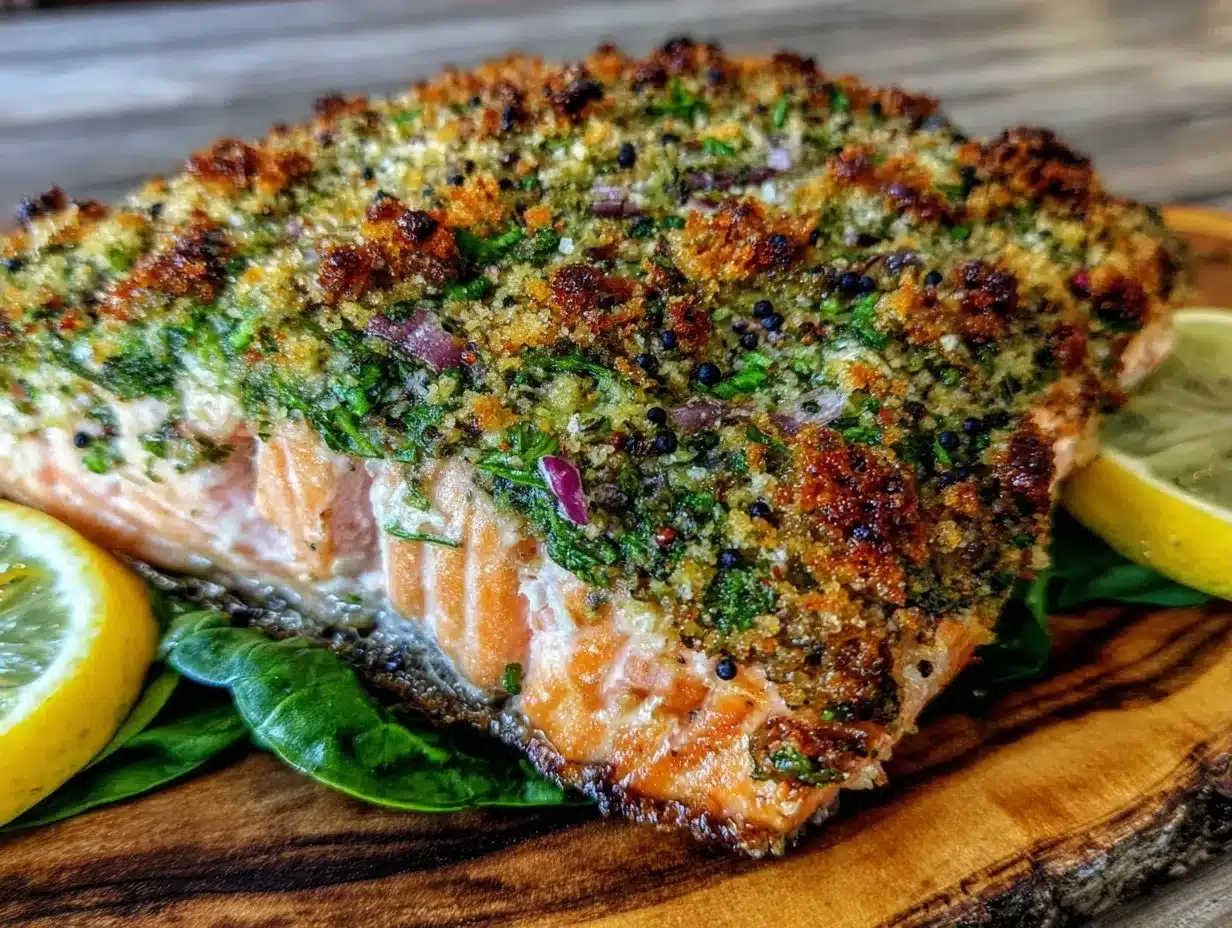
Dijon Mustard (3 tablespoons) — This is the star of the show. It provides tanginess and acts as a binder for the herbs. Do not use yellow mustard. I like Maille or Grey Poupon, but any good quality Dijon works. It adds zero sugar.
Fresh Herbs (1/2 cup total, chopped) — I use a mix of dill, parsley, and chives. Dill is classic with salmon, parsley adds freshness, and chives give a mild oniony bite. Fresh herbs are non-negotiable here; dried herbs just won’t give you that bright, vibrant crust.
Garlic (2 cloves, minced) — Fresh garlic only. It adds depth and warmth. If you’re worried about breath, remember that the strong garlic flavor mellows out significantly when baked.
Lemon Zest (1 lemon) — Zest the lemon before you juice it. The oils in the peel add a fragrant, citrusy aroma that lifts the whole dish. Don’t skip this—it’s what makes it smell amazing.
Lemon Juice (1 tablespoon) — Adds acidity to balance the richness of the fish and the mustard.
Dried Oregano (1 teaspoon) — A little earthiness to complement the fresh herbs. It’s an optional but recommended touch.
Sea Salt and Black Pepper — To taste. I use flaky sea salt for the finish if I have it, but kosher salt works for seasoning before cooking.
Optional Add-ins — I sometimes add a teaspoon of honey or maple syrup if I want a hint of sweetness, but for strict diabetic-friendly purposes, leave it out. The natural sweetness of the salmon is enough.
Equipment Needed
You don’t need anything fancy for this. Here’s what I actually use:
Baking Sheet — I use a standard half-sheet pan. It’s the perfect size for four fillets. Line it with parchment paper or foil for easy cleanup.
Parchment Paper — I swear by this. It prevents sticking and makes cleanup a breeze. No scrubbing baked mustard off your pan.
Small Bowl — For mixing the herb crust. A ramekin works well.
Pastry Brush or Spoon — To spread the mustard mixture. I use a small spoon for control.
Zester or Microplane — For the lemon zest. A regular grater works, but a microplane gives you finer, more aromatic zest.
How to Make It: Step-by-Step
Alright, let’s make this! I’m walking you through exactly how I do it, including the little tricks I’ve picked up over the years.
Step 1: Prep Your Oven and Pan
Preheat your oven to 400°F (200°C). Line a baking sheet with parchment paper. This is crucial for easy cleanup and preventing the fish from sticking. I usually do this while the oven is heating up.
Step 2: Prepare the Salmon
Pat the salmon fillets dry with paper towels. This seems minor, but drying the surface helps the crust adhere better. Place the fillets on the prepared baking sheet, skin-side down if they have skin. Season lightly with salt and pepper on both sides.
Step 3: Make the Herb Crust
In a small bowl, combine the Dijon mustard, minced garlic, chopped fresh herbs, lemon zest, lemon juice, and dried oregano. Mix well. The mixture should be thick and paste-like. If it’s too dry, add a teaspoon more olive oil. If it’s too wet, add a pinch more herbs.
Step 4: Coat the Salmon
Spread the mustard-herb mixture generously over the top of each salmon fillet. Use the back of a spoon to create an even layer. Make sure you cover the edges too, so every bite has flavor. Drizzle a tiny bit of olive oil over the top to help it brown.
Step 5: Bake
Place the baking sheet in the preheated oven. Bake for 12-15 minutes. The exact time depends on the thickness of your fillets. You want the salmon to be opaque and flake easily with a fork. The crust should be golden and slightly crisp.
Step 6: Rest and Serve
Remove from the oven and let the salmon rest for 2-3 minutes. This allows the juices to redistribute. Serve immediately with a fresh squeeze of lemon if you like.
Total Time: About 25 minutes (5 minutes prep, 15-20 minutes cooking)
Expert Tips & Tricks
Here’s everything I’ve learned from making this dozens of times. These tips will save you from my mistakes.
Don’t Overcook It
Salmon continues to cook even after you take it out of the oven. If you wait until it’s fully cooked in the center, it will be dry by the time you sit down to eat. Pull it out when it’s still slightly translucent in the very center. It will finish cooking on the plate.
Use Fresh Herbs
I know fresh herbs can be pricey, but they make a huge difference in this recipe. Dried herbs just won’t give you that bright, vibrant crust. If you’re on a budget, grow your own dill or parsley—it’s easier than you think.
Check the Temperature
If you’re worried about doneness, use a meat thermometer. The FDA recommends cooking fish to 145°F, but many chefs prefer 125-130°F for a moister, medium-rare finish. For blood sugar management, well-cooked is fine, but don’t go past 145°F or it’ll be dry.
Pair with Low-Carb Sides
To keep this meal truly diabetic-friendly, pair it with low-carb vegetables. I love this with crispy garlic parmesan broccoli or a simple green salad with olive oil dressing. Avoid starchy sides like potatoes or rice.
Make It Ahead
You can mix the herb crust up to a day in advance and store it in the fridge. Just let it come to room temperature before spreading it on the fish. This saves time on busy weeknights.
Variations & Substitutions
Once you’ve nailed the basic version, here’s how you can mix it up. I’ve tried all of these.
Spicy Version
Add a pinch of red pepper flakes or a dash of hot sauce to the mustard mixture. It adds a nice kick that balances the creaminess of the fish.
Herb-Free
If you’re not a fan of dill, try tarragon or basil. Tarragon has a slight anise flavor that pairs beautifully with salmon. Basil makes it taste more Mediterranean.
Gluten-Free
This recipe is naturally gluten-free, but always check your mustard label to ensure it’s certified gluten-free. Some mustards contain wheat starch.
Dairy-Free
This recipe is naturally dairy-free. Just ensure your mustard doesn’t contain any dairy additives (most don’t, but it’s worth checking).
Other Fish
You can use this method for cod, halibut, or trout. Just adjust the cooking time accordingly. Thinner fillets will cook faster.
Serving & Storage
How to Serve
I usually serve this straight from the baking sheet at the dinner table—it looks rustic and stays warm. But here are other ways I’ve enjoyed it:
Side Dishes
– Crispy garlic parmesan broccoli
– Roasted asparagus with lemon
– Cauliflower rice pilaf
– Simple arugula salad with vinaigrette
Toppings Bar
When I have guests, I put out: extra lemon wedges, fresh dill, capers, and sliced avocado. Everyone customizes their bowl.
Storage Instructions
Store leftovers in an airtight container in the refrigerator for up to 3 days. The salmon will keep well, but the texture may change slightly. Reheat gently in the oven or eat cold in a salad.
Reheating
Best method: Reheat in the oven at 350°F for 10 minutes. This restores the moisture.
Microwave method: Heat in 30-second intervals. It can get rubbery if overheated, so be careful.
Never works: Trying to reheat in the microwave for too long. It will dry out the fish completely.
Freezing
You can freeze cooked salmon for up to 3 months. Thaw in the fridge overnight and reheat gently. The crust may soften, but the flavor will still be good.
Nutrition Information
I’m not a nutritionist, but here’s the breakdown if you’re tracking. This is per serving (1 fillet):
- Calories: 320
- Protein: 34g
- Carbs: 2g
- Fiber: 0.5g
- Sugar: 1g
- Fat: 18g
- Saturated Fat: 3g
- Cholesterol: 95mg
- Sodium: 350mg
What’s Good:
– High in protein, which helps with satiety
– Very low in carbs, making it ideal for low-carb diets
– Rich in omega-3 fatty acids, which are great for heart health
What to Know:
– Contains high-quality fats from salmon
– Naturally gluten-free and dairy-free
– Moderate sodium (check your mustard for salt content)
My Take:
“Look, this is healthy food that actually tastes good. It’s not a diet recipe in the sense that it’s boring. It’s rich, savory, and satisfying. When I want to make it lighter, I skip the olive oil drizzle and load up on vegetables. But usually? I just enjoy a reasonable portion and feel great afterward.”
Final Thoughts
So that’s my Diabetic-Friendly Baked Salmon with Dijon Herb Crust! I’ve probably talked your ear off at this point, but when you make a recipe this often, you have a lot to say about it.
This has saved weeknight dinners more times than I can count. It’s my answer to “what’s for dinner” when I’m tired, don’t want takeout, and still want something that tastes really good. My kids are happy (they love the mustard crust), my husband’s happy, and I’m happy because I’m not stressed about cooking.
Make it yours! Try different herbs, add some capers, or swap the salmon for trout. The best recipes are the ones you adapt to your family’s tastes.
If you make this, drop a comment and let me know what you think! I love hearing how recipes turn out in your kitchen. And if something doesn’t work, tell me that too—I’m here to help troubleshoot.
Happy cooking! And I hope your kitchen smells half as good as mine does right now.
Frequently Asked Questions
Can I use frozen salmon?
Yes, but you must thaw it completely first. Pat it very dry before applying the crust. If the salmon is wet, the crust will slide off. I prefer fresh, but frozen works in a pinch.
Why did my salmon turn out dry?
Most likely, you overcooked it. Salmon cooks very quickly. Check it at 10 minutes. If it flakes easily, it’s done. Pull it out early; it will finish cooking on the plate.
Can I make this in the air fryer?
Absolutely! Cook at 375°F for 8-10 minutes. Check it early, as air fryers can vary. The crust might get crispier than in the oven.
Is this recipe truly diabetic-friendly?
Yes, it is very low in carbohydrates and high in protein and healthy fats. The Dijon mustard and herbs add flavor without sugar. Always check your specific mustard brand for added sugars, but most plain Dijon is safe.
Can I add other vegetables to the baking sheet?
Yes! You can roast asparagus, green beans, or zucchini on the same sheet pan. Just make sure they are cut into similar sizes so they cook evenly with the salmon.
How long does the herb crust last?
The mixture can be made up to 2 days in advance and stored in the fridge. The flavors will meld and become even more aromatic.
What wine pairs well with this?
A crisp Sauvignon Blanc or a Pinot Grigio works beautifully. The acidity in the wine complements the lemon and mustard. For non-alcoholic options, sparkling water with lemon is perfect.
Pin This Recipe!
Diabetic-Friendly Baked Salmon with Dijon Herb Crust
- Total Time: 25 minutes
- Yield: 4 servings 1x
Description
A quick, flavorful baked salmon dish featuring a tangy Dijon mustard and fresh herb crust. This low-carb, high-protein meal is perfect for blood sugar management and takes under 30 minutes to prepare.
Ingredients
- 4 salmon fillets (about 6 ounces each)
- 2 tablespoons extra virgin olive oil
- 3 tablespoons Dijon mustard
- 1/2 cup fresh herbs, chopped (dill, parsley, chives)
- 2 cloves garlic, minced
- 1 lemon (zested and juiced)
- 1 teaspoon dried oregano
- Sea salt and black pepper to taste
Instructions
- Preheat oven to 400°F (200°C) and line a baking sheet with parchment paper.
- Pat salmon fillets dry with paper towels and place skin-side down on the prepared baking sheet. Season lightly with salt and pepper.
- In a small bowl, combine Dijon mustard, minced garlic, chopped fresh herbs, lemon zest, lemon juice, and dried oregano. Mix until a thick paste forms.
- Spread the herb crust mixture generously over the top of each salmon fillet, covering the edges. Drizzle lightly with olive oil.
- Bake for 12-15 minutes, or until the salmon is opaque and flakes easily with a fork.
- Remove from oven and let rest for 2-3 minutes before serving.
Notes
Do not overcook the salmon; it continues to cook after removal from the oven. For best results, use fresh herbs and wild-caught salmon. The herb crust can be made up to a day in advance. Ensure Dijon mustard is sugar-free for strict diabetic-friendly purposes.
- Prep Time: 5 minutes
- Cook Time: 15 minutes
- Category: Main Course
- Cuisine: American
Nutrition
- Serving Size: 1 fillet
- Calories: 320
- Sugar: 1
- Sodium: 350
- Fat: 18
- Saturated Fat: 3
- Carbohydrates: 2
- Fiber: 0.5
- Protein: 34
Keywords: diabetic-friendly, baked salmon, low-carb, healthy dinner, Dijon mustard, herb crust, omega-3, gluten-free, dairy-free, quick meals