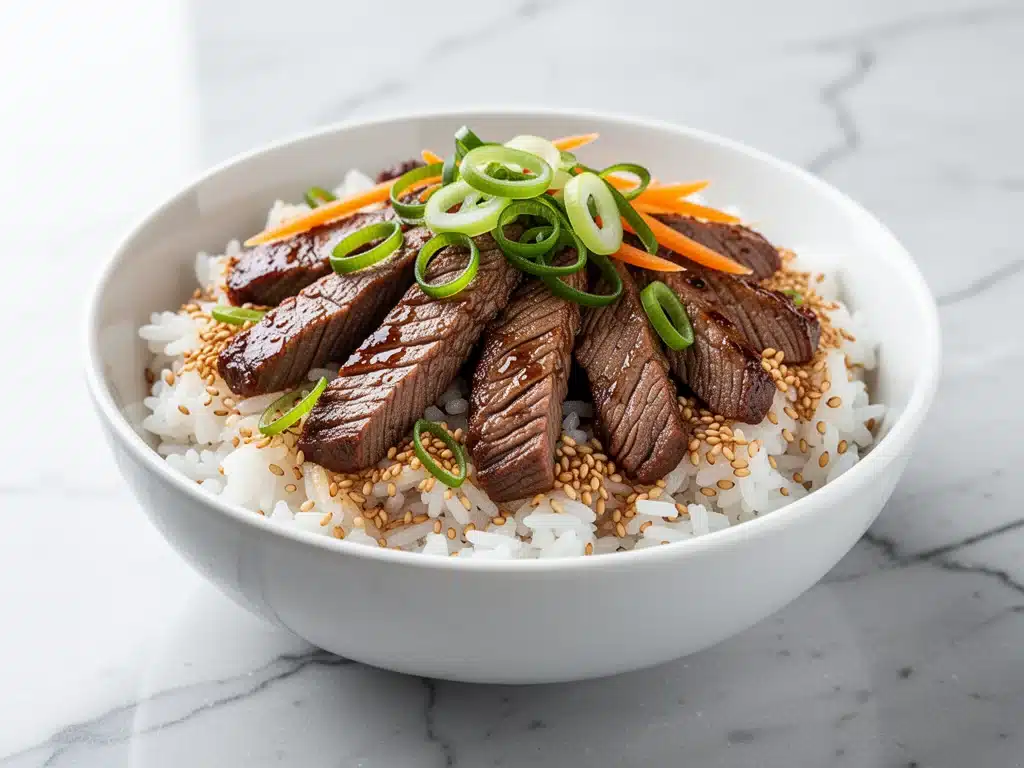
It was 8:30 on a Tuesday night, and I was staring at my phone, thumb hovering over the takeout app. My husband had mentioned something about wanting “real Korean food,” which is code for he wants the stuff that arrives in those flimsy plastic containers with the rice that’s already turning into a solid brick. I ordered it. Thirty minutes later, I got the bag. We ate it. And honestly? It was okay. But it wasn’t good. It was salty, the beef was chewy, and the rice was dry.
That night, I made a promise to myself: I was never ordering beef bulgogi takeout again. Not when I could make it at home in less time than it takes for a delivery driver to find my house.
So, I went to work. I called my friend Min-ji, who grew up in Seoul and has been making this dish since she was a teenager. I called her every week for a month. I burned the sugar. I overcooked the beef until it was rubber. I used the wrong cut of meat. But slowly, something clicked. I figured out the magic ratio of pear to soy sauce. I learned how to slice the beef so it melts in your mouth. And I finally cracked the code on sesame rice that actually tastes like something worth waking up for.
This isn’t just another beef bulgogi bowl. This is the version that makes my friends stop mid-bite and ask, “Wait, you made this?” It’s sweet, savory, smoky, and tender. It’s restaurant-quality comfort food that fits on a plate in 20 minutes. And once you try it, you’ll probably cancel your takeout subscription, just like I did.
Why You’ll Love This Homemade Beef Bulgogi Bowl
I’ve made this beef bulgogi bowl probably fifty times in the last two years. It’s become the anchor of our weeknight dinners because it checks every single box I care about. Here’s why it’s earned a permanent spot in our rotation:
It’s Faster Than Delivery — Seriously. From the moment I take the beef out of the fridge to the moment we’re sitting down, it’s about 25 minutes. That’s less time than it takes to wait for a driver to knock on the door. If you can boil rice and sear meat, you can make this.
The Beef Is Actually Tender — Most home cooks ruin bulgogi by using cheap, tough cuts. I’ve tested this with flank steak, sirloin, and ribeye. The secret? Thin slicing and a quick marinade with fruit enzyme (more on that later). The result is beef that’s fork-tender, not chewy. My husband, who usually complains about “stringy” meat, asks for seconds every time.
Sesame Rice Changes Everything — I know, I know, it’s just rice. But this isn’t plain white rice. It’s toasted sesame rice, cooked with a splash of sesame oil and a pinch of salt. It smells incredible while it cooks, and it adds a nutty depth that balances the sweet soy marinade perfectly. It’s the kind of detail that makes it feel fancy.
It’s Customizable for Everyone — I’ve made this for my vegetarian sister (swapping beef for mushrooms) and my meat-loving brother (extra beef, no veggies). It’s a perfect blank canvas. You can add whatever crunchy veggies you have lying around. It’s forgiving, flexible, and always delicious.
It Costs Less Than Takeout — A single order of beef bulgogi at a Korean restaurant can easily run $18-$25. Making this at home? About $12 for enough to feed four people with leftovers. That’s a huge win for our budget and our wallets.
This bowl is my answer to “what’s for dinner?” when I’m tired but still want something that tastes like I put in effort. It’s reliable, it’s flavorful, and it makes my kitchen smell like a high-end Korean BBQ joint. No stress, no delivery apps, just good food.
Ingredients You’ll Need for Beef Bulgogi
Here’s the thing about bulgogi: the magic is in the marinade. You don’t need a trip to a specialty Asian market for most of this. I keep most of these staples in my pantry, and the fresh stuff is easy to find at any grocery store. Let’s break down what you need and why each ingredient matters.
For the Beef & Marinade
Beef (Flank Steak or Sirloin) (1.5 pounds / 680g) — This is the most important choice. I use flank steak because it’s lean, flavorful, and slices thinly against the grain. Sirloin works too if you want something a bit more tender. Avoid ribeye for this—it’s too fatty for the marinade to penetrate quickly. You want beef that’s thin, not thick.
Soy Sauce (½ cup / 120ml) — Use low-sodium soy sauce if you can. It gives you control over the saltiness. Regular soy sauce works, but you might need to reduce the added salt in the rice. I like Kikkoman or any brand you trust. It’s the salty backbone of the dish.
Brown Sugar (2 tablespoons / 30g) — This caramelizes in the pan and gives that signature sweet glaze. I use light brown sugar for a deeper molasses flavor, but white sugar works in a pinch. Don’t skip this; the sweetness balances the salty soy.
Sesame Oil (2 tablespoons / 30ml) — Toasted sesame oil. Not the raw kind. The toasted kind has that nutty, aromatic punch that defines Korean cooking. It’s potent, so a little goes a long way. I keep a bottle just for this dish.
Asian Pear or Bosc Pear (1 small pear, grated / about ¼ cup) — This is the secret weapon. Pears contain an enzyme called bromelain that breaks down protein, tenderizing the beef. It also adds natural sweetness. If you can’t find Asian pears, a regular Bosc or Anjou pear works. Grate it finely—don’t chop it. You want the juice to infuse the marinade.
Garlic (4 cloves, minced / about 2 tablespoons) — Fresh garlic only. No jarred stuff here. It adds a sharp, pungent kick that cuts through the richness. Minced finely so it distributes evenly.
Fresh Ginger (1 teaspoon, grated / about 5g) — Fresh ginger adds a warm, spicy brightness. Grate it on a microplane for the smoothest texture. If you’re out of fresh, use ½ teaspoon ground ginger, but fresh is better.
Black Pepper (1 teaspoon) — Freshly cracked black pepper adds a little heat and depth. I use a pepper mill because pre-ground pepper loses its flavor fast.
For the Sesame Rice
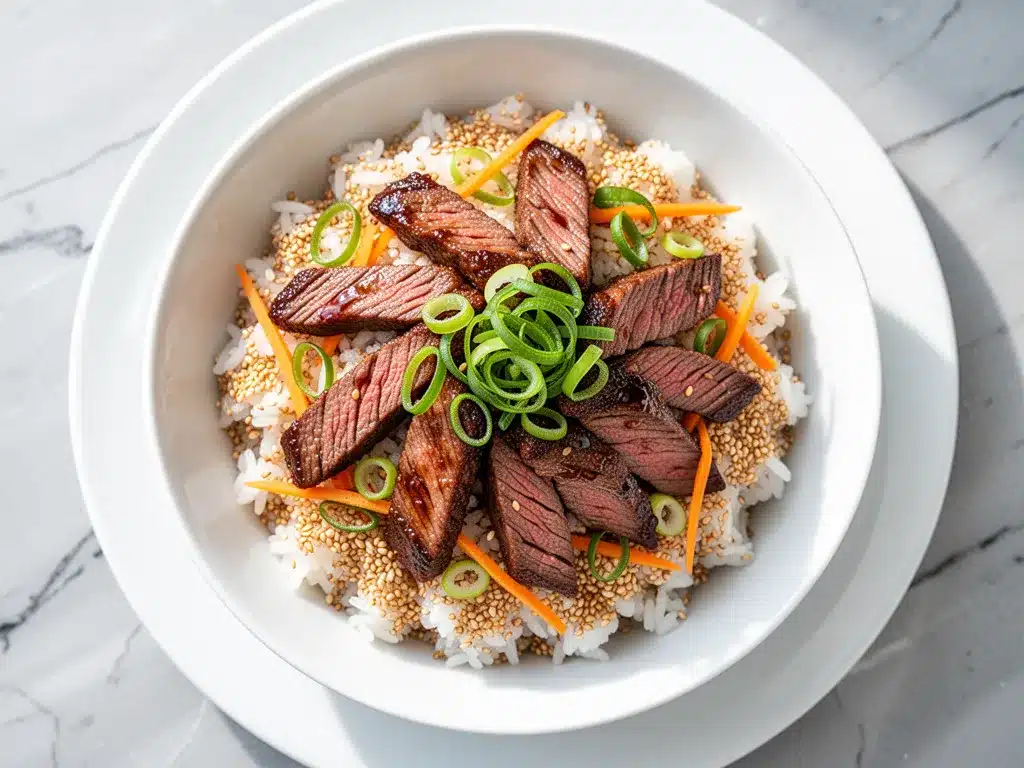
Short-Grain White Rice (1 cup / 180g) — This is non-negotiable. Short-grain rice is sticky and chewy, perfect for bowl meals. Long-grain rice (like Basmati or Jasmine) will be too fluffy and separate. I use Koshihikari or any brand labeled “sushi rice” or “short-grain.”
Water (1 cup / 240ml) — For cooking the rice. The 1:1 ratio is key for this type of rice. Don’t eyeball it too much.
Sesame Seeds (1 tablespoon / 10g) — Toasted white sesame seeds. They add crunch and visual appeal. I buy them in a jar and toast them in a dry pan for 2 minutes until golden.
Sesame Oil (1 teaspoon) — A tiny splash stirred into the cooked rice for extra aroma.
For the Bowl Assembly
Carrots (1 medium, julienned / about 100g) — Adds crunch and color. I julienne them with a peeler or a knife. Thin strips cook fast and look pretty.
Green Onions (3 stalks, sliced) — For freshness and a mild onion bite. I use both the white and green parts. The whites go in early, the greens go on top at the end.
Egg (1 large) — Optional, but highly recommended. A fried egg on top adds richness and makes the bowl feel complete. I like my yolk runny so it breaks over the beef.
Sesame Seeds (for garnish) — Extra toasted seeds for sprinkling on top.
Equipment You’ll Need
You don’t need a fancy grill or special tools to make this. Here’s what I actually use in my kitchen:
Large Skillet or Cast Iron Pan — I use a 12-inch stainless steel skillet. It holds heat well and gets a good sear on the beef. Cast iron works too, but stainless steel is easier to clean for this recipe.
Sharp Knife — For slicing the beef thinly. A dull knife will tear the meat. I keep a good chef’s knife sharp because it makes slicing against the grain much easier.
Colander — For rinsing the rice. I rinse it until the water runs clear to remove excess starch. This prevents the rice from being gummy.
Rice Cooker or Medium Pot — I use a rice cooker for convenience, but a pot on the stove works perfectly. Just make sure it has a tight-fitting lid.
Microplane or Grater — For grating the pear and ginger. A microplane makes quick work of it.
Mixing Bowls — One medium bowl for the marinade, one small bowl for the rice seasoning.
How to Make Beef Bulgogi Bowl with Sesame Rice
Alright, let’s get cooking! I’m walking you through exactly how I do it, step by step. It’s simpler than it looks, and the results are worth it.
Step 1: Prep the Beef (5 minutes)
Take your flank steak out of the fridge and let it sit for 10 minutes. You want it slightly warmer than fridge-cold for easier slicing. Slice the beef thinly against the grain. This is crucial. If you slice with the grain, the beef will be chewy. Slice against it, and it’ll be tender. Place the sliced beef in a medium bowl.
Step 2: Make the Marinade (5 minutes)
In a small bowl, whisk together the soy sauce, brown sugar, sesame oil, minced garlic, grated ginger, grated pear, and black pepper. Mix until the sugar is dissolved. Pour the marinade over the beef. Toss the beef to coat it evenly. Let it marinate for at least 15 minutes, or up to 2 hours in the fridge. If you’re short on time, 15 minutes is enough, but longer is better.
Step 3: Cook the Sesame Rice (20 minutes)
Rinse the short-grain rice under cold water until the water runs clear. Drain well. Add the rice and 1 cup of water to a rice cooker or a medium pot with a tight lid. If using a pot, bring to a boil, then reduce heat to low, cover, and simmer for 15 minutes. Remove from heat and let it sit, covered, for 10 minutes. Fluff with a fork. Stir in the toasted sesame seeds and 1 teaspoon of sesame oil. Keep warm.
Step 4: Sear the Beef (5-7 minutes)
Heat your large skillet over high heat. Add a tablespoon of neutral oil (like vegetable or canola). Once the oil is shimmering, add the beef in a single layer. Don’t overcrowd the pan—cook in batches if needed. Sear the beef for 2-3 minutes per side, until caramelized and cooked through. The sugar in the marinade will burn quickly, so watch it closely. You want char, not ash. Remove the beef from the pan and set aside.
Step 5: Prep the Veggies (5 minutes)
While the beef cooks, julienne the carrots and slice the green onions. If you’re using other veggies like bell peppers or mushrooms, prep them now. Keep them ready so they’re easy to add.
Step 6: Assemble the Bowls (5 minutes)
Divide the sesame rice among four bowls. Top with the seared beef and beef marinade. Arrange the julienned carrots and green onions on top. If you’re adding an egg, fry it now (sunny-side up is best) and place it on top of the beef. Sprinkle with extra toasted sesame seeds and a drizzle of sesame oil if you want extra flavor.
Step 7: Serve
Serve immediately while the beef is hot and the rice is warm. Add gochujang (Korean chili paste) on the side if you like it spicy. Enjoy!
Expert Tips for Perfect Bulgogi
Here’s everything I’ve learned from making this dozens of times. These tips will save you from my mistakes.
Slice Against the Grain — This is the #1 tip. Look at the direction the muscle fibers run. Cut perpendicular to them. If you cut with the grain, you’ll be chewing for minutes. Against the grain, the beef falls apart.
Don’t Overcrowd the Pan — If you put too much beef in the pan, it steams instead of sears. You want that caramelized crust. Cook in batches if you have to. It takes an extra 2 minutes but makes a huge difference in texture.
Use a Pear, Not Just Sugar — The pear tenderizes the beef. Without it, the beef can be tough. If you’re allergic to pears, you can use kiwi, but kiwi is stronger and can make the beef mushy if left too long. Pear is safer.
Rinse Your Rice — Unrinsed rice is gummy. Rinse it until the water is clear. This ensures fluffy, separate grains that aren’t sticky.
Toast Your Sesame Seeds — Raw sesame seeds are bland. Toast them in a dry pan for 2 minutes until golden. It releases their oils and makes them nutty and aromatic.
Common Mistakes to Avoid:
- Mistake: Beef is tough. Fix: You sliced with the grain or didn’t use the pear enzyme.
- Mistake: Rice is mushy. Fix: You didn’t rinse it enough or used too much water.
- Mistake: Beef is burnt. Fix: The sugar burned. Reduce heat slightly or cook in smaller batches.
Variations & Substitutions
Once you’ve nailed the basic version, here’s how you can mix it up. I’ve tried all of these.
Chicken Bulgogi — Use chicken thighs instead of beef. Marinate for 30 minutes. Cook until golden. It’s lighter but still delicious.
Tofu Bulgogi — Use extra-firm tofu, pressed and sliced. Marinate for 1 hour. Pan-fry until crispy. Great for vegetarians.
Mushroom Bulgogi — Use king oyster mushrooms sliced thinly. They have a meaty texture. Marinate for 20 minutes. Sear until browned.
Spicy Bulgogi — Add 1 tablespoon gochujang to the marinade. It adds heat and depth. I love this version for a kick.
Gluten-Free — Use tamari instead of soy sauce. Everything else is naturally gluten-free.
Dairy-Free — This recipe is naturally dairy-free. Just make sure your soy sauce and sesame oil are dairy-free (most are).
Serving & Storage
How to Serve: I usually serve this straight from the skillet at the dinner table. It looks rustic and stays warm. But here are other ways I’ve enjoyed it:
Side Dishes: Kimchi (obviously), pickled radishes, or a simple cucumber salad. These cut through the richness of the beef.
Toppings Bar: When I have guests, I put out: extra sesame seeds, gochujang, sliced green onions, and crispy fried garlic. Everyone customizes their bowl.
Storage: Store leftovers in an airtight container in the fridge for up to 3 days. The beef will get softer, which is fine. The rice will harden—just microwave it with a splash of water to fluff it up.
Reheating: Best method: Reheat the beef in a skillet over medium heat with a splash of water to loosen the sauce. Reheat rice in the microwave. Combine and serve.
Freezing: This doesn’t freeze well. The rice becomes grainy, and the beef gets mushy. Make it fresh or store in the fridge for up to 3 days.
Nutrition Information
I’m not a nutritionist, but here’s the breakdown if you’re tracking. Per serving (based on 4 servings):
Calories: 450
Protein: 30g
Carbs: 50g
Fiber: 2g
Sugar: 8g
Fat: 12g
Saturated Fat: 2g
Cholesterol: 65mg
Sodium: 800mg
It’s a balanced meal with good protein from the beef and carbs from the rice. If you want to lighten it up, use less sugar in the marinade and add more veggies. But honestly? It’s comfort food. Enjoy it.
Final Thoughts
So that’s my go-to beef bulgogi bowl! I’ve probably talked your ear off at this point, but when you make a recipe this often, you have a lot to say about it. This has saved weeknight dinners more times than I can count. It’s my answer to “what’s for dinner?” when I’m tired, don’t want takeout, and still want something that tastes really good. My kids are happy, my husband’s happy, and I’m happy because I’m not stressed about cooking.
Make it yours! Try different add-ins, swap in your favorite vegetables, adjust the spice level. The best recipes are the ones you adapt to your family’s tastes. If you make this, drop a comment and let me know what you think! I love hearing how recipes turn out in your kitchen. And if something doesn’t work, tell me that too—I’m here to help troubleshoot.
Happy cooking! And I hope your kitchen smells half as good as mine does right now.
Frequently Asked Questions
Can I use flank steak instead of sirloin?
Yes! Flank steak is actually my preferred cut because it’s lean and slices thinly. Just make sure you slice it against the grain. Sirloin is tender but can be fatty. Both work great.
Why is my beef tough?
Two reasons: You sliced with the grain, or you didn’t marinate it long enough. Slice against the grain, and let it marinate for at least 15 minutes. The pear enzyme helps tenderize it.
Can I make this ahead?
You can marinate the beef up to 24 hours ahead. Store it in the fridge. Cook it fresh when you’re ready. The rice is best made fresh, but you can reheat it with a splash of water.
What if I don’t have a pear?
You can skip it, but the beef won’t be as tender. Alternatively, use a kiwi (but only for 15 minutes, or it gets mushy) or a pineapple. Pear is the most balanced option.
How do I reheat leftovers without drying out?
Add a splash of water or broth to the beef when reheating in a skillet. Cover it to steam it slightly. For rice, microwave it with a damp paper towel over it to keep it moist.
Can I use long-grain rice?
You can, but it won’t be as sticky or chewy. Short-grain rice is traditional for a reason. If you only have long-grain, rinse it well and use slightly less water to make it stickier.
Is this recipe spicy?
The basic recipe is not spicy. It’s sweet and savory. If you like heat, add gochujang or red pepper flakes to the marinade or serve it on the side.
Pin This Recipe!
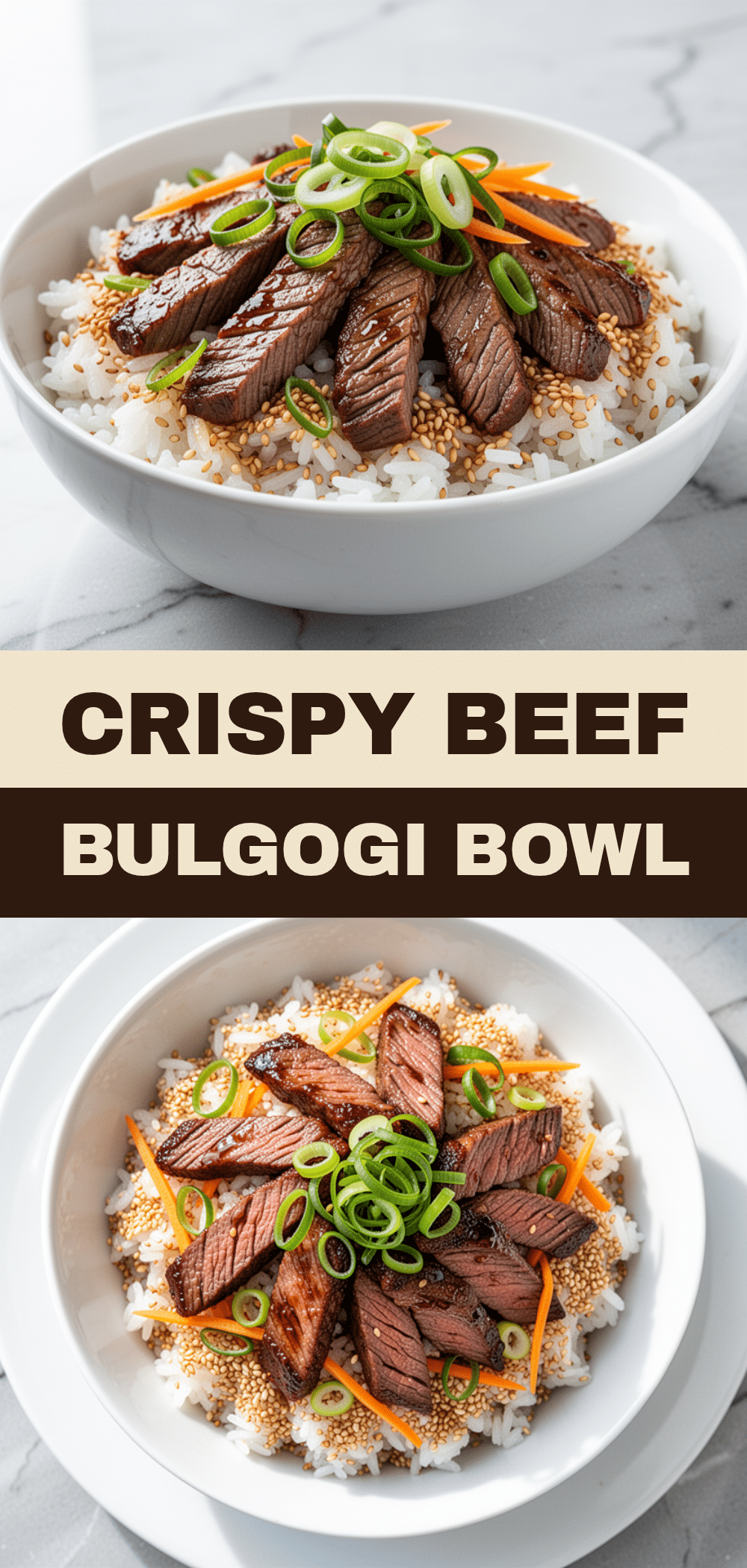
Beef Bulgogi Bowl: 5 Best Easy Homemade Recipes
- Total Time: 30 minutes
- Yield: 4 servings 1x
Description
A homemade beef bulgogi bowl featuring tender, marinated flank steak, toasted sesame rice, and fresh vegetables, ready in under 30 minutes.
Ingredients
- 1.5 pounds flank steak or sirloin, sliced thinly against the grain
- ½ cup low-sodium soy sauce
- 2 tablespoons light brown sugar
- 2 tablespoons toasted sesame oil
- 1 small Asian pear or Bosc pear, grated
- 4 cloves garlic, minced
- 1 teaspoon fresh ginger, grated
- 1 teaspoon freshly cracked black pepper
- 1 cup short-grain white rice
- 1 cup water
- 1 tablespoon toasted white sesame seeds
- 1 teaspoon sesame oil (for rice)
- 1 medium carrot, julienned
- 3 stalks green onions, sliced
- 1 large egg (optional)
- 1 tablespoon neutral oil (for searing)
Instructions
- Slice the beef thinly against the grain and place in a medium bowl.
- Whisk together soy sauce, brown sugar, sesame oil, garlic, ginger, grated pear, and black pepper in a small bowl until sugar is dissolved.
- Pour marinade over the beef, toss to coat, and let marinate for at least 15 minutes (up to 2 hours).
- Rinse rice under cold water until water runs clear. Drain well.
- Cook rice with 1 cup water in a rice cooker or pot. If using a pot, bring to boil, reduce heat to low, cover, and simmer for 15 minutes. Let sit covered for 10 minutes, then fluff.
- Stir toasted sesame seeds and 1 teaspoon sesame oil into the cooked rice. Keep warm.
- Heat a large skillet over high heat with neutral oil. Add beef in a single layer (cook in batches if needed).
- Sear beef for 2-3 minutes per side until caramelized and cooked through. Remove and set aside.
- Julienne carrots and slice green onions while beef cooks.
- Divide sesame rice among four bowls. Top with seared beef and marinade.
- Arrange carrots and green onions on top. Add a fried egg if desired.
- Sprinkle with extra toasted sesame seeds and serve immediately.
Notes
Slice beef against the grain for tenderness. Do not overcrowd the pan when searing to ensure caramelization. Rinse rice thoroughly to prevent gumminess. Toast sesame seeds for better flavor. The pear enzyme tenderizes the beef; kiwi can be used as a substitute but may make beef mushy if marinated too long.
- Prep Time: 15 minutes
- Cook Time: 15 minutes
- Category: Main Course
- Cuisine: Korean
Nutrition
- Serving Size: 1 bowl per person
- Calories: 450
- Sugar: 8
- Sodium: 800
- Fat: 12
- Saturated Fat: 2
- Carbohydrates: 50
- Fiber: 2
- Protein: 30
Keywords: beef bulgogi, korean food, homemade bulgogi, sesame rice, weeknight dinner, easy korean recipe, flank steak recipe