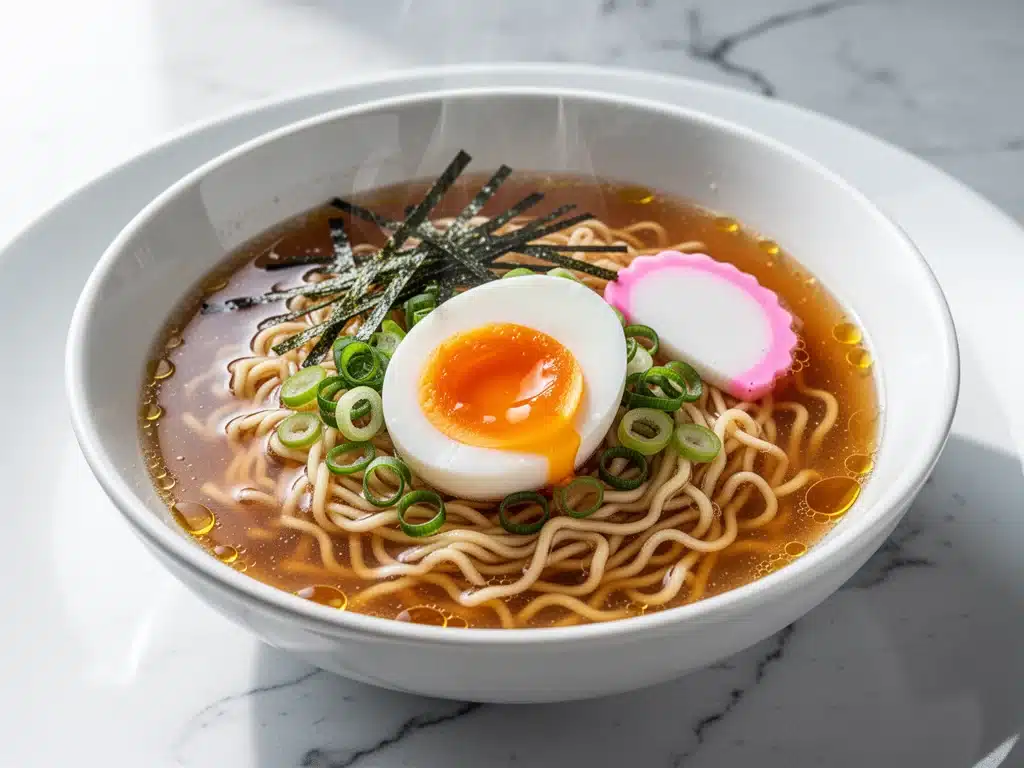
I still remember the specific texture of my first “meal” in college. It was 2 AM, my stomach was making noises that sounded like a dying robot, and I had exactly three dollars to my name. I walked to the campus convenience store, grabbed a pack of instant ramen, and came back to my dorm room to boil it in my hot plate’s tiny kettle. The noodles were mushy, the broth was salty enough to preserve a fish, and I ate it standing over the sink because my desk was covered in unpaid bills and laundry.
It was lonely. It was cheap. And it was terrible.
Fast forward about six months, and I stumbled into a routine that changed everything. I wasn’t trying to be a chef—I just wanted to feel full and not like I was eating cardboard. I discovered that with two extra ingredients—eggs and a splash of milk or soy sauce—you could turn that sad, salty packet into something that actually felt like comfort food. The secret weapon? A soft-boiled egg. Just one. But it transforms the whole thing.
This budget college dorm ramen upgrade with soft-boiled egg is the recipe I cling to when I’m broke, tired, or just too exhausted to think. It’s not fancy. It doesn’t require a kitchen. But it’s the closest thing I’ve found to a hug in a bowl. I’ve made this version dozens of times, tweaking the egg timing until it was perfect (runny yolk, set white), and it has become my absolute go-to. If you’re living in a dorm with a hot plate, or just trying to stretch a dollar further this month, this is your new best friend.
I’ve tested this method on instant packs ranging from the basic yellow brick noodles to the more expensive “gourmet” cups, and it works on all of them. The key isn’t the brand of noodles—it’s the technique. And once you get the hang of boiling that egg alongside your pasta, you’ll never go back to dry ramen again.
Why You’ll Love This Dorm Room Ramen Upgrade
Let’s be real: college cooking doesn’t have to be a chore. It doesn’t have to be healthy (though we can try). It just has to work. This ramen upgrade has saved me more weeknight dinners than I can count. Here’s why it’s become a staple in my tiny dorm kitchen:
Stupid Simple — Seriously. If you can boil water and crack an egg, you can make this. I’ve made this while half-asleep, half-distracted by a textbook, and it still turns out perfect. There’s no chopping, no sautéing, no complex techniques. Just boil, wait, eat.
Lightning Fast — From cold water to full stomach in about 15 minutes. That’s faster than ordering delivery, and you don’t have to wait for a driver who’s “five minutes away” (read: forty-five minutes away). The egg takes the same time to boil as the noodles cook, so you’re not waiting any extra time.
Budget-Smart — A pack of ramen is usually $0.50–$1.00. Two eggs are about $0.30–$0.50. You’re looking at less than two dollars for a meal that feels substantial. That’s cheaper than a bag of chips, but it actually has protein. My wallet loves this.
Protein Boost — Instant ramen is mostly carbs and sodium. Adding an egg adds high-quality protein and healthy fats, which keeps you full longer. I used to be hungry again an hour after eating plain ramen. With the egg, I’m good for hours. It makes a huge difference in energy levels during back-to-back lectures.
Customizable Without Stress — Want it spicy? Add chili oil. Want it creamy? Stir in a tablespoon of peanut butter or cream cheese. The base is neutral enough to handle anything. I keep a small caddy of spices on my desk for this exact reason.
This is my answer to “what’s for dinner” when I’m broke, tired, and don’t want to leave my room. It’s reliable. It’s warm. And it makes you feel like you’re taking care of yourself, even if you’re cooking on a hot plate.
Ingredients You’ll Need
Here’s the best part: you probably already have most of this in your dorm fridge or mini-fridge. I’m not asking you to go on a grocery run. Just grab these basics.
Instant Ramen Packets (1–2 packs) — I use whatever is on sale. Maruchan, Nissin, Top Ramen—they all work. I usually buy the multi-packs because they’re cheaper. Skip the flavor packet if you’re watching sodium, or use half of it. The egg and your own seasonings will do the heavy lifting.
Eggs (2 large) — This is the star. Large eggs work best because they fit standard pots. If you’re using extra-large eggs, you might need to adjust the boiling time by 30 seconds. I buy the dozen every week because eggs are the cheapest protein source on campus.
Water (about 4 cups) — For boiling both the noodles and the eggs. Make sure you have enough water in your kettle or pot. If you’re using a hot plate, you’ll need a small saucepan. A medium-sized pot works best so the eggs don’t roll around too much.
Milk or Cream (2–3 tablespoons) — This is my secret trick. Adding a splash of milk or cream to the broth makes it creamy and rich, almost like a tonkotsu broth. I use whatever is in my mini-fridge: half-and-half, regular milk, or even a splash of oat milk if I’m being fancy. It cuts the saltiness of the ramen packet.
Soy Sauce (1 teaspoon) — Optional, but adds depth. If you’re using the flavor packet, you might not need this. But if you’re going light on the packet, a teaspoon of soy sauce adds that savory umami kick. I keep a small bottle in my desk drawer.
Optional Add-ins (The “Fancy” Stuff) — If you have access to a mini-fridge or a shared kitchen, these take it to the next level: chopped green onions (save the green parts), a dash of sesame oil, a slice of cheese (melts into the broth beautifully), or leftover cooked chicken. But honestly? The egg and milk are enough. Keep it simple.
Tip: I always buy eggs from the campus store because they’re fresh, and I keep a small container of soy sauce in my room. It’s my emergency kit.
Equipment Needed
You don’t need fancy tools. In fact, if you have fancy tools in your dorm, you’re probably breaking rules. Here’s what I actually use:
Small Saucepan or Hot Plate with Pot — I use a 2-quart saucepan. It needs to be big enough to hold the ramen noodles and two eggs comfortably. If you’re using a hot plate, make sure the pot is flat-bottomed so it doesn’t tip. My old pot from home still works fine, even though it’s dented.
Slotted Spoon or Spider Strainer — To lift the eggs out of the boiling water. I use a slotted spoon because it’s easier to control. A regular spoon works too, but you’ll be juggling more. Don’t use a fork—it’s slippery and dangerous with boiling water.
Bowl for Ice Bath — This is crucial. You need a bowl filled with cold water (or ice water if you have an ice maker). This stops the eggs from cooking immediately after boiling. I use a plastic bowl from the dollar store. It’s light and easy to handle.
Timer (or Phone) — Timing is everything for soft-boiled eggs. I use my phone’s timer. Set it for exactly 6.5 minutes. Don’t eyeball it. I’ve burned eggs by forgetting the timer, and it’s not worth the frustration.
Measuring Spoon — For the soy sauce and milk. A teaspoon is fine. I keep a small set in my desk drawer.
Optional but nice: A small whisk to mix the broth, and a pair of chopsticks for eating. I use chopsticks because they’re easier to manage with noodles, but a fork works if that’s all you have.
Tool Tip: Don’t have a hot plate? Check if your dorm has a shared kitchen. If not, a microwave-safe bowl can work for the noodles (see variations below), but the egg needs boiling water, so a pot is necessary.
How to Make It: Step-by-Step
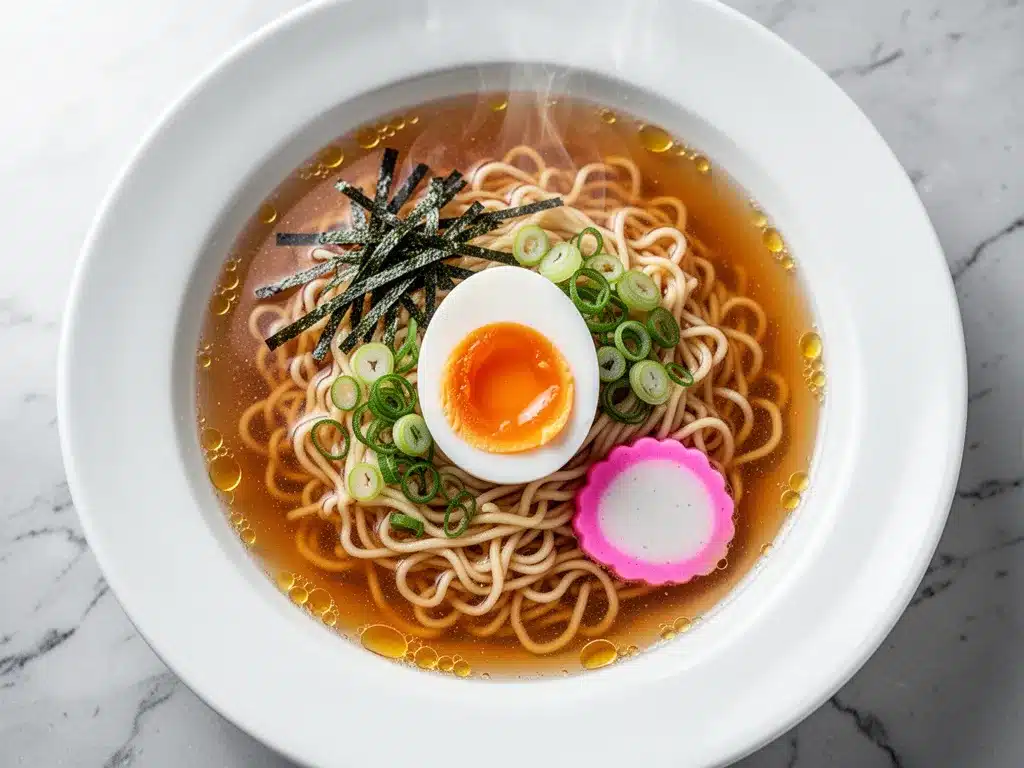
Alright, let’s make this! I’m walking you through exactly how I do it, including the little tricks I’ve picked up over the years. This method is foolproof if you follow the timing.
Step 1: Boil the Water (5 minutes)
Fill your saucepan with about 4 cups of water. Place it on the hot plate or stove and turn the heat to high. Cover the pot with a lid to speed up the boiling. While you wait, crack your eggs into a small bowl or just keep them in the carton. I like to have them ready so I don’t drop them in boiling water.
Step 2: Start the Eggs (6.5 minutes)
Once the water is at a rolling boil, gently lower the eggs into the water using a slotted spoon. Don’t drop them—they might crack. Reduce the heat to medium so the water isn’t bubbling too violently. Set your timer for 6.5 minutes. This is the sweet spot for a soft-boiled egg: the white is set, but the yolk is still runny and golden. If you prefer firmer yolks, go for 7 minutes. If you like them very runny, 6 minutes. But 6.5 is my gold standard.
Step 3: Cook the Noodles (3 minutes)
When you have 3 minutes left on the egg timer, add the ramen noodles to the same pot. Break the block in half if it’s too big. Add the flavor packet now (or half of it if you want less sodium). Stir gently to separate the noodles. They cook fast, so keep an eye on them. You want them tender but not mushy.
Step 4: The Ice Bath (2 minutes)
While the noodles are cooking, fill your bowl with cold water and ice cubes. As soon as the timer goes off for the eggs, use the slotted spoon to lift them out of the boiling water and plunge them directly into the ice bath. This stops the cooking process immediately. Leave them there for 2 minutes. This makes them much easier to peel later.
Step 5: Drain and Assemble (2 minutes)
Once the noodles are done, drain the water from the pot, leaving just enough broth to coat the noodles (about ½ cup). This prevents the soup from being too watery. Stir in the milk or cream and soy sauce. Taste the broth—it should be creamy and savory. If it’s too salty, add a splash of hot water. If it’s too bland, add a pinch more soy sauce.
Step 6: Peel and Serve
Take the eggs out of the ice bath. Tap them gently on the counter to crack the shells, then peel them under running water if needed. The shells should slip right off. Slice the eggs in half lengthwise so the yolk spills out. Place the eggs on top of the noodles. Serve immediately while hot.
Total Time: About 15 minutes (mostly hands-off boiling time).
Expert Tips & Tricks
Here’s everything I’ve learned from making this dozens of times. These tips will save you from my mistakes.
Don’t Skip the Ice Bath
This is the #1 tip. If you don’t cool the eggs immediately, they’ll keep cooking in their own heat, and you’ll get hard-boiled eggs instead of soft-boiled. The runny yolk is the whole point. I’ve ruined eggs by forgetting this step, and it’s a sad day.
Use Older Eggs for Peeling
Fresh eggs are harder to peel. If you buy eggs and plan to use them immediately, they might stick. Eggs that are 3–5 days old peel much easier. I usually buy a dozen and use the older ones for this recipe. If you’re using super fresh eggs, roll them gently on the counter before peeling to crack the shell all around.
Control the Sodium
Instant ramen packets are sodium bombs. I always use half the packet, or none at all if I’m adding soy sauce and milk. This makes the dish healthier and less salty. Your kidneys will thank you.
Room Temperature Eggs
If you can, let the eggs sit out for 10 minutes before boiling. Cold eggs can crack in boiling water. If you’re in a rush, just lower them gently into the water. It’s not a dealbreaker, but it helps.
Common Mistakes (and how to avoid them):
- Mistake: Eggs are hard-boiled. Fix: Reduce boiling time to 6 minutes next time. Use a timer every time.
- Mistake: Broth is too watery. Fix: Drain most of the water, leaving just enough to create a creamy sauce. You want it to coat the noodles, not float them.
- Mistake: Noodles are mushy. Fix: Cook for only 2–3 minutes. Instant noodles cook faster than you think. Check them at 2 minutes.
Variations & Substitutions
Once you’ve nailed the basic version, here’s how you can mix it up. I’ve tried all of these.
Creamy Peanut Ramen
Skip the milk and add 1 tablespoon of peanut butter and 1 teaspoon of soy sauce. Stir until melted. This is my favorite when I’m craving something rich and savory. It tastes like a cheap version of satay.
Spicy Kimchi Ramen
Add ½ cup of chopped kimchi to the pot in the last minute of noodle cooking. The kimchi gets warm and tangy, cutting through the creaminess. This is great for when you want a flavor kick.
Veggie-Loaded
Toss in a handful of spinach or frozen peas in the last 30 seconds of cooking. The spinach wilts instantly. This is how I sneak vegetables into my diet when I’m lazy.
Mac & Cheese Style
Add a slice of American cheese to the hot broth after draining. Stir until melted. It’s weirdly delicious and makes the broth super cheesy.
Dietary Modifications:
- Gluten-Free: Use gluten-free ramen noodles (like rice noodles). The rest is naturally gluten-free.
- Dairy-Free: Skip the milk. Use coconut milk or just skip it. The egg still adds richness.
- Egg-Free: Skip the egg and add tofu or a can of beans for protein.
Serving & Storage
How to Serve:
I usually serve this straight from the pot into a bowl. It’s rustic and keeps warm. But here are other ways I’ve enjoyed it:
Side Dishes:
– A piece of fruit (apple or banana) for balance.
– A small side salad if you have access to a shared kitchen.
– Crackers or bread if you’re having guests.
Toppings Bar:
When I have friends over, I put out: sesame seeds, chili oil, green onions, and extra soy sauce. Everyone customizes their bowl.
Storage Instructions:
Store leftover noodles in an airtight container in the fridge for up to 2 days. The noodles will absorb the broth and get soft. Reheat with a splash of water in the microwave. The egg is best eaten fresh, but you can store it peeled in water for a day.
Reheating:
Microwave for 1–2 minutes with a splash of water. Stir well. The broth will thin out, so add a dash of soy sauce if needed.
Pro Tip: If you’re meal-prepping, boil the eggs ahead of time and store them in the fridge. Peel them when you’re ready to eat. This saves time on busy days.
Nutrition Information
I’m not a nutritionist, but here’s the breakdown if you’re tracking. This is approximate and varies by brand.
Per Serving (based on 1 pack + 1 egg):
- Calories: 350–450
- Protein: 14–16g
- Carbs: 40–50g
- Fat: 12–15g
- Sodium: 800–1200mg (varies by packet)
What’s Good:
– High protein from the egg.
– Comforting and filling.
– Cheap and accessible.
What to Know:
– High in sodium if you use the full packet.
– Low in fiber unless you add veggies.
– It’s comfort food, not a diet meal. But it’s better than nothing.
My Take:
Look, this is ramen. It’s not going to win any health awards. But it’s warm, it’s cheap, and it has protein. When I want to make it healthier, I skip the packet and add my own seasonings. But usually? I just enjoy it for what it is.
Final Thoughts
So that’s my go-to budget college dorm ramen upgrade with soft-boiled egg! I’ve probably talked your ear off at this point, but when you make a recipe this often, you have a lot to say about it.
This has saved me more nights than I can count. It’s my answer to “what’s for dinner” when I’m broke, tired, and don’t want takeout. My stomach is happy, my wallet is happy, and I’m happy because I’m not stressed about cooking.
Make it yours! Try different add-ins, swap in your favorite vegetables, adjust the egg timing. The best recipes are the ones you adapt to your life.
If you make this, drop a comment and let me know what you think! I love hearing how recipes turn out in your kitchen. And if something doesn’t work, tell me that too—I’m here to help troubleshoot.
Happy cooking! And I hope your dorm smells half as good as mine does right now.
Frequently Asked Questions
Q: Can I use a microwave instead of boiling?
A: You can cook the noodles in the microwave, but you can’t boil the eggs in the microwave safely. The eggs might explode. I always boil the eggs in a pot. For the noodles, you can microwave them with water for 3–4 minutes, stirring halfway. But the pot method is more reliable.
Q: My eggs are hard-boiled—what happened?
A: You boiled them too long. For soft-boiled eggs, 6.5 minutes is the sweet spot. If you like runnier yolks, try 6 minutes. If you like firmer yolks, try 7 minutes. Use a timer every time.
Q: Can I make this ahead for a meal prep?
A: Sort of. Boil the eggs ahead of time and store them peeled in the fridge. Cook the noodles fresh each night. Reheat the noodles with a splash of water. It won’t be quite as good as fresh, but it’s close and saves you stress.
Q: Why did my egg peel poorly?
A: The eggs were too fresh. Older eggs (3–5 days) peel easier. If you’re using fresh eggs, roll them on the counter before peeling to crack the shell all around. Also, the ice bath helps loosen the shell.
Q: Can I use almond milk instead of dairy milk?
A: Yes, but it might be thinner. Oat milk or coconut milk works better because they’re creamier. If you use almond milk, add a bit more to get the creamy texture you want.
Q: How do I reheat leftovers without it getting dry?
A: Add a splash of water or milk to the noodles when reheating. Stir well. The liquid brings back the creamy texture. Microwave in 30-second intervals, stirring between.
Q: Can I double this recipe?
A: Absolutely! Double everything and use a larger pot. Make sure you have enough water for the eggs. The cooking times stay the same. I do this when I’m feeding a roommate.
Pin This Recipe!

Budget College Dorm Ramen Upgrade: 2-Ingredient Soft-Boiled Egg
- Total Time: 15 minutes
- Yield: 1 serving 1x
Description
A quick, budget-friendly ramen upgrade that transforms instant noodles into a comforting meal using a perfectly soft-boiled egg and a splash of milk or soy sauce.
Ingredients
- 1–2 packs instant ramen noodles
- 2 large eggs
- 4 cups water
- 2–3 tablespoons milk or cream
- 1 teaspoon soy sauce (optional)
- Ice water for ice bath
Instructions
- Fill a saucepan with 4 cups of water and bring to a rolling boil over high heat.
- Gently lower the eggs into the boiling water using a slotted spoon.
- Reduce heat to medium and set a timer for 6.5 minutes for soft-boiled eggs.
- When 3 minutes remain on the egg timer, add the ramen noodles and flavor packet to the same pot.
- While noodles cook, prepare a bowl with cold water and ice cubes.
- Once the timer goes off, remove eggs from boiling water and plunge them into the ice bath for 2 minutes.
- Drain the pot, leaving about 1/2 cup of broth.
- Stir in milk or cream and soy sauce to create a creamy broth.
- Peel the cooled eggs under running water, slice in half lengthwise, and place on top of the noodles.
- Serve immediately.
Notes
Use eggs that are 3-5 days old for easier peeling. Do not skip the ice bath to ensure the yolk remains runny. Control sodium by using half the flavor packet or omitting it entirely.
- Prep Time: 5 minutes
- Cook Time: 10 minutes
- Category: Main Course
- Cuisine: Asian-Inspired
Nutrition
- Serving Size: 1 bowl
- Calories: 400
- Sugar: 2
- Sodium: 1000
- Fat: 13.5
- Saturated Fat: 4
- Carbohydrates: 45
- Fiber: 2
- Protein: 15
Keywords: college ramen, dorm cooking, budget meals, soft-boiled egg, instant noodles, quick dinner, student recipes