It was a Tuesday in November, the kind where the wind howls against the windows and the last thing you want to do is stand over a hot stove. I was staring at my phone, thumb hovering over my favorite Asian delivery app. The cart was full: General Tso’s chicken, egg rolls, and a large order of their honey garlic salmon. I had already mentally spent $45 before I even hit checkout.
Then, my husband walked in, shook the rain off his coat, and said, “I’m starving, but I don’t want to wait an hour for delivery.”
Something snapped. Not a dramatic snap, just a quiet realization that I was paying premium prices for mediocre food while I had perfectly good salmon and broccoli sitting in my fridge. I tossed the phone on the counter and grabbed a baking sheet. I figured, why not? If I could make it on a sheet pan, it would be faster than waiting for a driver, right?
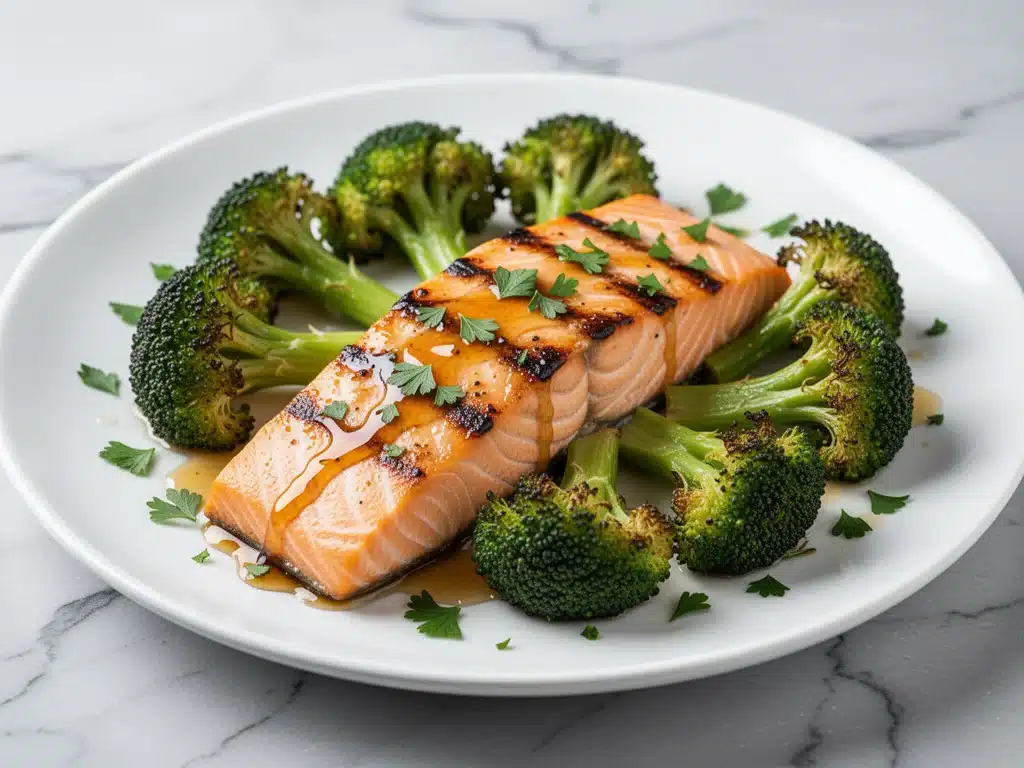
That night, I threw together a glaze I had been meaning to try for months. Honey, garlic, a splash of soy sauce, and a pinch of ginger. I tossed the salmon and a mountain of broccoli florets in it, slid the pan into the oven, and went to read a book. Twenty minutes later, the smell of caramelized garlic and roasted fish filled the house. It smelled like a restaurant, but better. Cleaner. Warmer.
My husband took one bite, looked at me, and said, “Order this from now on.”
I didn’t order takeout that night. We ate straight from the pan (don’t judge me), scraping up every last drop of that sticky honey garlic sauce with crusty bread. Since then, I’ve made this gluten-free sheet pan honey garlic salmon at least a dozen times. It’s become my secret weapon for busy weeknights when I want something that feels fancy and restaurant-quality but requires zero stress. It’s healthier than takeout, cheaper than dining out, and honestly? It tastes better.
If you’ve been looking for a way to ditch the delivery fees without sacrificing flavor, you need to try this. It’s simple, it’s gluten-free, and it’s going to become your new favorite weeknight dinner.
Why You’ll Love This Gluten-Free Sheet Pan Honey Garlic Salmon
There are a few reasons this recipe has earned a permanent spot in my weekly rotation, but honestly, it’s the convenience factor that keeps me coming back. Here’s what makes this dish so special:
- Zero Cleanup Stress — Seriously, if you can line a baking sheet, you can make this. No stirring pots, no washing multiple pans. Just toss everything on the sheet and pop it in the oven. This is my go-to when I’m too tired to do dishes after dinner.
- Restaurant-Quality Flavor in 20 Minutes — The glaze strikes this perfect balance between sweet, savory, and garlicky. It caramelizes beautifully in the oven, creating that sticky, glossy coating you love at Chinese restaurants, but without the MSG or hidden sugars.
- Healthy Without Being Boring — Salmon is packed with omega-3s, and broccoli is a nutritional powerhouse. But because of the honey garlic sauce, it doesn’t taste like “diet food.” It tastes indulgent. I serve this to my gluten-free friends, and they always ask for the recipe because they can’t believe it’s healthy.
- Flexible and Forgiving — Run out of broccoli? Swap it for asparagus or snap peas. Don’t have fresh ginger? Use powder. This recipe is incredibly forgiving. I’ve made it with wild-caught and farmed salmon, and it works perfectly either way.
- Budget-Friendly — Salmon can be pricey, but this recipe uses just two fillets per person. By using a sheet pan method, you maximize flavor without needing expensive techniques. Plus, you’re saving $15-20 per meal compared to takeout.
This is the kind of meal that makes you feel like a good cook without the effort. It’s reliable, delicious, and makes your kitchen smell amazing. Let’s get cooking.
Ingredients You’ll Need
Here’s the best part: you probably have most of these ingredients already. This isn’t a recipe that requires a special trip to the store. It’s built around pantry staples and fresh basics.
For the Salmon
Salmon fillets (2 pounds / 900g) — Look for wild-caught if you can afford it; the flavor is deeper. But farmed is fine too. Make sure they’re about the same thickness so they cook evenly. I buy them from the seafood counter and ask them to be portioned.
Broccoli florets (2 large heads / about 600g) — Fresh is best. Cut them into bite-sized pieces. If you’re using frozen broccoli, thaw and squeeze out ALL the water first, or your sheet pan will steam instead of roast. I prefer fresh for that nice char.
Avocado oil or olive oil (2 tablespoons / 30ml) — Avocado oil has a higher smoke point, which is great for roasting. Olive oil works too, just don’t let it smoke. I keep a bottle of avocado oil on my counter for high-heat cooking.
For the Honey Garlic Glaze
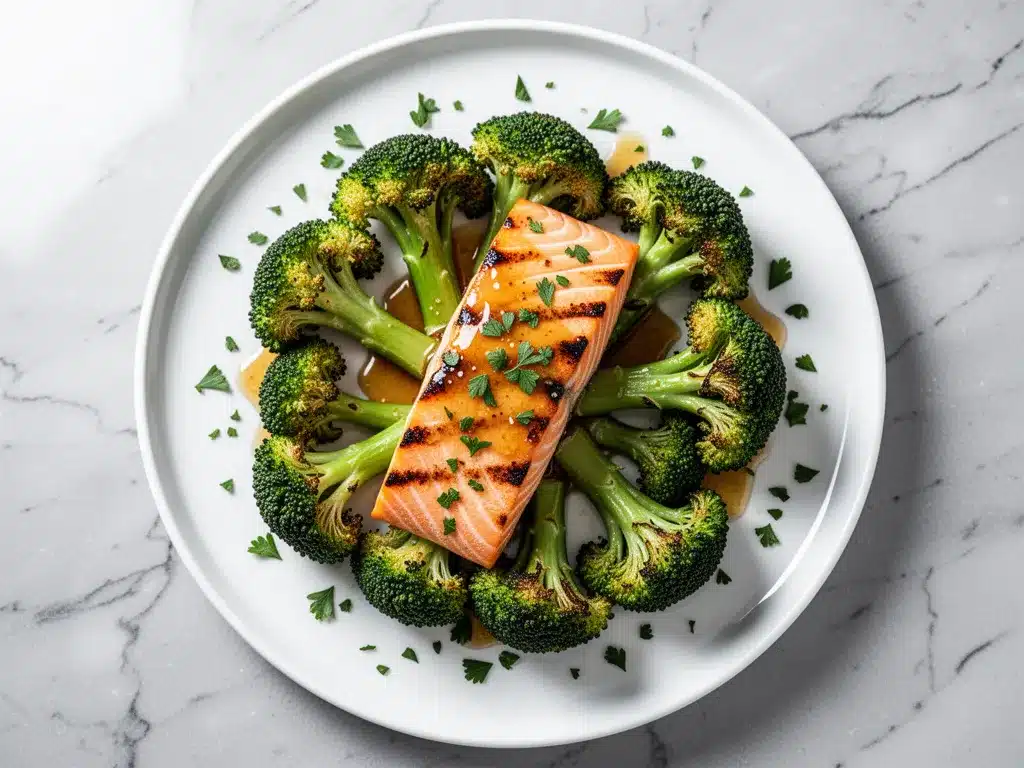
Honey (½ cup / 120ml) — This is the star. Use good quality honey. I like clover or wildflower. The sweetness balances the salty soy sauce and sharp garlic.
Gluten-free tamari or soy sauce (¼ cup / 60ml) — Crucial: Regular soy sauce contains wheat. Use tamari or a certified gluten-free soy sauce. I use Kikkoman Gluten-Free because it’s easy to find at most grocery stores.
Garlic (5 cloves, minced / about 1 tablespoon) — Yes, five cloves. Don’t be shy. Fresh garlic is non-negotiable here. Jarred garlic has a metallic taste that ruins the glaze. Take the extra 30 seconds to mince it yourself.
Fresh ginger (1 tablespoon, grated) — Fresh ginger adds this bright, zesty kick that makes the dish taste authentic. I buy a whole root and grate it. If you don’t have fresh, you can use 1 teaspoon of ground ginger, but the flavor won’t be as vibrant.
Rice vinegar (1 tablespoon / 15ml) — Adds acidity to cut through the sweetness and richness. Apple cider vinegar works in a pinch, but rice vinegar is traditional and milder.
Cornstarch (1 teaspoon / 5g) — This is the secret weapon. It thickens the glaze so it clings to the salmon instead of running off into a puddle. It’s naturally gluten-free.
Red pepper flakes (½ teaspoon) — Optional, but I recommend it. Just a little heat wakes up all the other flavors. Adjust to your spice tolerance.
For Garnish
Sesame seeds (1 tablespoon) — Toasted sesame seeds add a nice crunch and nutty aroma. I usually buy toasted ones to save time.
Green onions (2, sliced thinly) — Adds color and a fresh onion bite. It makes the dish look professional.
Lime wedges — A squeeze of fresh lime right before eating brightens everything up. It’s a game-changer.
Equipment Needed
You don’t need fancy gadgets for this. Here’s what I actually use:
Large baking sheet — I use a half-sheet pan (18×13 inches). Make sure it’s big enough to fit the salmon and broccoli in a single layer. If your pan is too small, the veggies will steam instead of roast. Line it with parchment paper for easy cleanup. I’m obsessed with my parchment paper rolls—saves scrubbing time.
Small mixing bowl — For whisking the glaze. Any bowl works.
Whisk — To emulsify the honey and tamari. A fork works too if you’re in a rush.
Pastry brush — Optional, but helpful for brushing extra glaze on the salmon halfway through cooking. I use a silicone brush because it’s easy to wash.
Knife and cutting board — For prepping the broccoli and garlic. Sharp knife makes chopping easier and safer.
How to Make It: Step-by-Step
Alright, let’s make this! I’m walking you through exactly how I do it, including the little tricks I’ve picked up over time.
Step 1: Prep Your Oven and Pan (5 minutes)
Preheat your oven to 400°F (200°C). This is a high heat, which is necessary to get that nice caramelization on the salmon and char on the broccoli. Line your baking sheet with parchment paper. I always do this because scraping dried honey garlic sauce off a bare pan is a nightmare. Trust me, spend the extra minute to line it.
Step 2: Prep the Vegetables
Wash and dry your broccoli thoroughly. Wet broccoli won’t roast well; it’ll just get soggy. Cut the heads into florets, aiming for uniform sizes so they cook evenly. Toss them in a large bowl with the avocado oil, salt, and pepper. Spread them out on one side of the baking sheet. Leave room for the salmon.
Step 3: Make the Glaze
In a small bowl, whisk together the honey, gluten-free tamari, minced garlic, grated ginger, rice vinegar, cornstarch, and red pepper flakes. The cornstarch might clump a little at first, but keep whisking until it’s smooth. It should look like a thick, glossy syrup. If it’s too thick, add a teaspoon of water.
Step 4: Assemble the Sheet Pan
Pat the salmon fillets dry with paper towels. This step is important for getting a nice sear. Place the salmon skin-side down on the other side of the baking sheet, next to the broccoli. Pour about half of the glaze over the salmon, using a spoon or brush to coat it evenly. Save the rest for later. Drizzle any remaining glaze over the broccoli.
Step 5: Roast
Slide the pan into the preheated oven. Roast for 12-15 minutes. At the 10-minute mark, pull the pan out and brush the salmon with the remaining glaze. This ensures a sticky, caramelized coating. Rotate the pan if your oven has hot spots (I rotate mine halfway through for even cooking).
Step 6: Check for Doneness
The salmon is done when it flakes easily with a fork and is opaque throughout. The broccoli should be tender-crisp with some charred edges. If the salmon isn’t quite done but the broccoli is burning, remove the broccoli to a plate and let the salmon finish cooking for 2-3 more minutes.
Step 7: Garnish and Serve
Remove from the oven. Sprinkle with toasted sesame seeds and sliced green onions. Serve immediately with lime wedges on the side. I like to serve this over steamed jasmine rice or cauliflower rice to soak up all that extra sauce.
Total Time: About 25 minutes (5 minutes prep, 20 minutes cook time).
Expert Tips & Tricks
Here’s everything I’ve learned from making this dozens of times. These tips will save you from my mistakes.
Don’t Overcrowd the Pan
If your salmon fillets are thick or your pan is small, use two pans. Crowding the pan causes steaming, which means your broccoli will be mushy and your salmon won’t get that nice texture. Give the ingredients room to breathe.
Pat the Salmon Dry
I know it seems like a small thing, but drying the salmon before seasoning helps the glaze stick and promotes better browning. Wet fish steams; dry fish roasts.
Use Fresh Ginger
I’ve tried this with ground ginger, and it just doesn’t hit the same. Fresh ginger has a bright, spicy warmth that powder can’t replicate. I keep a whole root in my fridge at all times now. If you don’t have one, buy a small one just for this recipe. It’s worth it.
The Cornstarch Trick
Many people skip the cornstarch, but it’s essential. Without it, the honey and soy sauce will run off the salmon and pool on the pan. Cornstarch acts as a thickener, creating that sticky, restaurant-style glaze that coats every bite.
Don’t Skip the Broccoli Char
Broccoli needs high heat to taste good. If it looks pale, it’s not done. You want those dark, crispy edges. That’s where the flavor is. If your broccoli isn’t charred enough, broil for the last 2 minutes, but watch it closely so it doesn’t burn.
Variations & Substitutions
Once you’ve nailed the basic version, here’s how you can mix it up. I’ve tried all of these.
Protein Swaps
Chicken Thighs — Cut into bite-sized pieces and toss with the glaze. Cook for 18-20 minutes. Chicken takes longer than salmon, so start it 5 minutes before the veggies.
Shrimp — Use large shrimp. They cook in 5-7 minutes. Add them to the pan for the last 10 minutes of roasting. This is my quick-cook version.
Tofu — Use extra-firm tofu, pressed and cubed. Toss in cornstarch first for crispiness. Roast for 20 minutes, brushing with glaze halfway through. Great for a vegan version.
Veggie Variations
Asparagus — Swap broccoli for asparagus spears. They cook faster, so add them in the last 15 minutes.
Snap Peas or Snow Peas — Add these in the last 5 minutes. They stay crisp and add a nice snap.
Bell Peppers — Sliced red or orange peppers add sweetness and color. Roast them with the broccoli.
Dietary Modifications
Dairy-Free — This recipe is naturally dairy-free. Just ensure your tamari is dairy-free (most are).
Sugar-Free — Use sugar-free honey alternative (like allulose-based syrup) and check your tamari for added sugar. It won’t caramelize the same way, but it works.
Low-Sodium — Use low-sodium tamari and reduce the added salt. Honey is naturally sweet, so you don’t need much salt to balance it.
Serving & Storage
How to Serve
I usually serve this straight from the sheet pan to the table—it looks rustic and keeps warm. But here are other ways I’ve enjoyed it:
- Over Rice — Steamed jasmine rice or brown rice soaks up the sauce perfectly.
- With Noodles — Toss with soba noodles or rice noodles for a stir-fry vibe.
- Salad Bowl — Serve over a bed of mixed greens with avocado for a lighter meal.
Storage Instructions
Refrigerator: Store leftovers in an airtight container for up to 3 days. The salmon will absorb more sauce over time, which is actually delicious.
Reheating: Reheat in the microwave for 1-2 minutes, or in a skillet over low heat. The broccoli might soften, but the salmon stays moist. Don’t overheat, or it’ll get dry.
Freezing: I don’t recommend freezing this. The broccoli gets mushy when thawed, and the texture of salmon changes. It’s best eaten fresh.
Nutrition Information
I’m not a nutritionist, but here’s the breakdown if you’re tracking.
Per Serving (based on 4 servings):
- Calories: 420
- Protein: 35g
- Carbs: 28g
- Fiber: 5g
- Sugar: 22g (from honey)
- Fat: 20g
- Sodium: 680mg (varies by tamari)
What’s Good: High in protein and healthy fats from the salmon. The broccoli adds fiber and vitamins. It’s a balanced meal that keeps you full.
What to Know: The sugar content comes from the honey. If you’re watching sugar, reduce the honey to ¼ cup and use a sugar-free alternative. It’s still delicious, just less sweet.
My Take: This is comfort food with a healthy twist. It’s not a diet recipe, but it’s way better than takeout. I enjoy it as a regular part of my weeknight routine.
Final Thoughts
So that’s my go-to gluten-free sheet pan honey garlic salmon! I’ve probably talked your ear off at this point, but when you make a recipe this often, you have a lot to say about it.
This has saved weeknight dinners more times than I can count. It’s my answer to “what’s for dinner” when I’m tired, don’t want takeout, and still want something that tastes really good. My kids are happy, my husband’s happy, and I’m happy because I’m not stressed about cooking.
Make it yours! Try different veggies, adjust the spice level, or swap the protein. The best recipes are the ones you adapt to your family’s tastes. If you make this, drop a comment and let me know what you think! I love hearing how recipes turn out in your kitchen.
Happy cooking! And I hope your kitchen smells half as good as mine does right now.
Frequently Asked Questions
Can I use regular soy sauce instead of tamari?
If you’re not gluten-free, yes, you can use regular soy sauce. But if you’re avoiding gluten, you must use tamari or a certified gluten-free soy sauce. Regular soy sauce contains wheat and will ruin the gluten-free status of the dish.
Why did my salmon come out dry?
Overcooking is the most common cause. Salmon cooks quickly. Check it at 10 minutes. It’s done when it flakes easily with a fork. If it’s still translucent in the center, give it 2 more minutes. Also, thick fillets cook slower than thin ones, so adjust your time accordingly.
Can I make this ahead for a dinner party?
You can prep the glaze and chop the broccoli ahead of time. Store them in separate containers in the fridge. When you’re ready to cook, assemble and roast as directed. This saves you time during the party. Just don’t assemble the raw salmon with the glaze too early, or it can start to “cook” in the acid from the vinegar.
Why did my glaze run off the salmon?
This usually happens if you didn’t use cornstarch or if you didn’t let the glaze reduce slightly before brushing it on. The cornstarch is key for thickening. Also, make sure you’re brushing it on halfway through cooking, not just at the start. This helps it caramelize and stick.
Can I use frozen broccoli?
It’s not ideal. Frozen broccoli releases a lot of water, which steams the salmon and makes the broccoli soggy. If you must use frozen, thaw it completely and squeeze out as much water as possible with a towel. Fresh broccoli is always better for sheet pan roasting.
How do I reheat leftovers without it getting dry?
Add a splash of water or broth to the container before microwaving. Cover it loosely to trap steam. Heat in 30-second intervals, stirring between. This helps keep the salmon moist. Avoid high heat, which dries out fish quickly.
Can I double this recipe?
Yes, but you’ll need two baking sheets. Don’t overcrowd a single pan. Roast on two racks, rotating the pans halfway through for even cooking. The cooking time stays the same.
Pin This Recipe!
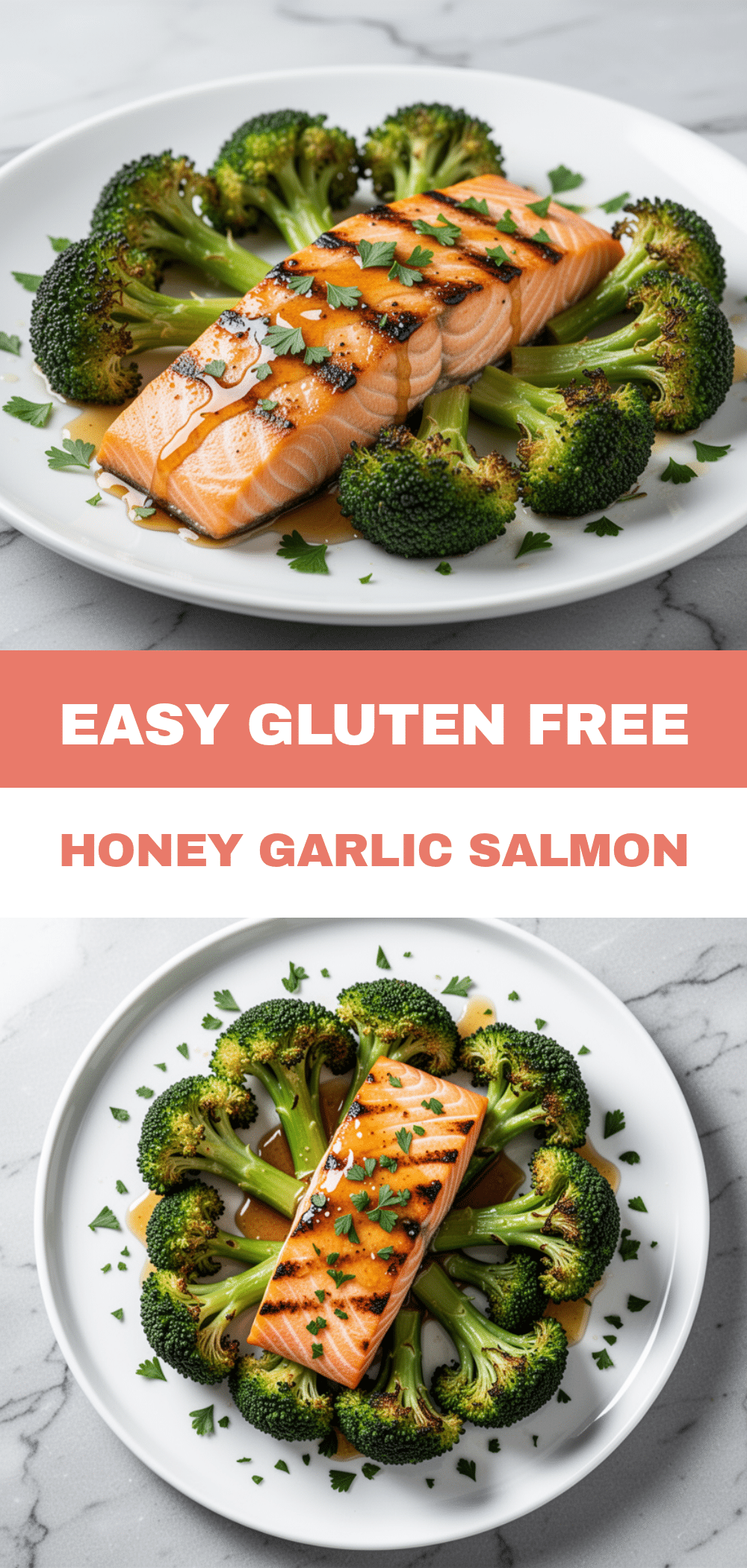
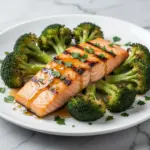
Gluten-Free Sheet Pan Honey Garlic Salmon
- Total Time: 25 minutes
- Yield: 4 servings 1x
Description
A quick, healthy, and restaurant-quality copycat takeout meal made on a single sheet pan. This gluten-free honey garlic salmon with broccoli is ready in 25 minutes and requires minimal cleanup.
Ingredients
- 2 pounds salmon fillets
- 2 large heads broccoli (about 600g), cut into florets
- 2 tablespoons avocado oil or olive oil
- 1/2 cup honey
- 1/4 cup gluten-free tamari or soy sauce
- 5 cloves garlic, minced
- 1 tablespoon fresh ginger, grated
- 1 tablespoon rice vinegar
- 1 teaspoon cornstarch
- 1/2 teaspoon red pepper flakes
- 1 tablespoon toasted sesame seeds
- 2 green onions, sliced thinly
- Lime wedges for serving
- Salt and pepper to taste
Instructions
- Preheat oven to 400°F (200°C). Line a large baking sheet with parchment paper.
- Wash and dry broccoli thoroughly. Cut into florets and toss with avocado oil, salt, and pepper. Spread on one side of the baking sheet.
- In a small bowl, whisk together honey, gluten-free tamari, minced garlic, grated ginger, rice vinegar, cornstarch, and red pepper flakes until smooth.
- Pat salmon fillets dry with paper towels. Place skin-side down on the other side of the baking sheet.
- Pour about half of the glaze over the salmon, coating evenly. Drizzle remaining glaze over the broccoli.
- Roast for 12-15 minutes. At the 10-minute mark, remove pan and brush salmon with remaining glaze. Rotate pan if necessary for even cooking.
- Salmon is done when it flakes easily with a fork and is opaque throughout. Broccoli should be tender-crisp with charred edges.
- Remove from oven. Sprinkle with toasted sesame seeds and sliced green onions. Serve immediately with lime wedges.
Notes
Ensure broccoli is dry before roasting to prevent steaming. Use fresh ginger for best flavor. Cornstarch is essential for thickening the glaze. Do not overcrowd the pan; use two pans if necessary. Salmon can be swapped for chicken thighs, shrimp, or tofu.
- Prep Time: 5 minutes
- Cook Time: 20 minutes
- Category: Main Course
- Cuisine: Asian
Nutrition
- Serving Size: 1 fillet and portion
- Calories: 420
- Sugar: 22
- Sodium: 680
- Fat: 20
- Saturated Fat: 3
- Carbohydrates: 28
- Fiber: 5
- Protein: 35
Keywords: gluten-free, sheet pan dinner, honey garlic salmon, healthy dinner, quick meals, copycat takeout, salmon recipe, broccoli