
Last November, I was hosting a dinner party for six people who all had different dietary restrictions. There was a gluten-free friend, a vegan cousin, and two people who just claimed to be “picky eaters” (which I’ve learned is code for “won’t eat anything that looks at me wrong”). I had planned a complicated roast chicken with all the trimmings, but then my oven started making a noise that sounded suspiciously like a dying lawnmower. Panic set in. Real panic. I was staring at a half-empty kitchen, wondering if I should just order pizza and call it a night.
Then I remembered a bag of butternut squash sitting on my counter, a can of coconut milk in the pantry, and some curry paste I’d bought on a whim months ago. I had about 45 minutes before guests arrived. So, I improvised. I chopped, I roasted, I blended, and I stirred. What came out of the blender wasn’t just dinner—it was liquid gold. It was warm, fragrant, and so rich that even my skeptical meat-eating brother-in-law asked for the recipe.
That vegan butternut squash coconut curry soup became the star of the evening. It was served in beautiful bowls, garnished with fresh cilantro, and disappeared faster than the bread rolls. It’s the kind of dish that makes people stop talking and just eat, which is the highest compliment you can get at a dinner party. I’ve made it since then for every holiday, every cozy Tuesday, and even just to treat myself on a rainy Sunday. And the best part? It’s genuinely easy. Seriously, if you can chop a vegetable and stir a pot, you can make this. It’s a five-ingredient wonder that tastes like you spent hours simmering a complex broth. I’m going to walk you through exactly how I make it, so you can be the host who brings the comfort food that wows everyone.
Why You’ll Love This Vegan Butternut Squash Coconut Curry Soup
There are about ten reasons I keep coming back to this soup, but let’s be honest—you probably only need three to be convinced. This isn’t just “healthy food” that tastes like cardboard. It’s indulgent, creamy, and deeply satisfying without a drop of dairy in it.
It Tastes Like a Spa Day for Your Stomach
The combination of roasted squash and coconut milk creates this incredibly velvety texture that feels luxurious. It’s not thin and watery like some vegetable soups. It’s thick, rich, and coats your spoon. I’ve served this to friends who swear they hate “diet food,” and they always ask for seconds. It’s comfort food that doesn’t leave you feeling heavy or sluggish afterward.
Five Ingredients, Zero Stress
I know, “five ingredients” is a bold claim. But it’s true. You need squash, onion, garlic, curry paste, and coconut milk. That’s it. No obscure spices you have to hunt down at three different stores. No complicated techniques. I make this when I’m tired, when I’m hosting, and when I’m just hungry. It’s my ultimate cheat code for a impressive-looking meal that takes minimal effort. If you can handle a knife and a spoon, you’re good to go.
It’s a Crowd-Pleaser (Even for Non-Vegans)

Here’s the thing about curry and squash: it appeals to almost everyone. The sweetness of the squash balances the heat of the curry perfectly. I’ve served this to people who think they don’t like curry, and they leave loving it. It’s mild enough for kids but flavorful enough for adults. Plus, it’s naturally vegan and gluten-free, so you don’t have to worry about excluding anyone from your menu. It’s the ultimate inclusive dish.
This soup has saved me from takeout more times than I can count. It’s my go-to when I want to feel like a good host without spending six hours in the kitchen. It’s warm, it’s fragrant, and it’s just reliable. You’ll want to make it again and again.
Ingredients You’ll Need
Here’s the best part: you probably have most of these already. This isn’t a recipe that requires a special trip to the Asian grocery store unless you’re out of curry paste. Let’s break down what you need and why each piece matters.
For the Base
Butternut squash (1 large, peeled and cubed / about 2 lbs or 900g) — This is the star. Look for one that feels heavy for its size and has no soft spots. Peeled and cubed into 1-inch pieces. If you’re lazy, you can buy pre-cubed squash at the store, but honestly, it’s cheaper to buy the whole one and chop it yourself. It’s easier than it looks—just use a sturdy chef’s knife and take your time.
Yellow onion (1 medium, diced / about 200g) — You need this for depth. Don’t skip it. Yellow onion gives a nice sweetness when cooked down. White onion works too, but yellow is sweeter. Chop it finely so it melts into the soup.
Garlic (4 cloves, minced / about 2 tablespoons) — Fresh garlic is non-negotiable here. Jarred garlic has a weird metallic taste that doesn’t work in a delicate coconut soup. Mince it finely. If you’re really in a rush, you can use fresh minced garlic from the refrigerated section, but fresh cloves taste better.
For the Flavor
Red curry paste (2-3 tablespoons) — This is where the magic happens. Use a good quality paste. I like Maesri or Mae Ploy. It’s already seasoned with lemongrass, galangal, and kaffir lime leaves, so you don’t need to add anything else. Start with 2 tablespoons if you’re sensitive to spice, and add more if you want heat. It should be vibrant red, not brown.
Coconut milk (1 can, 13.5 oz / 400ml) — Full-fat coconut milk is essential. Light coconut milk will make the soup thin and less creamy. Shake the can well before opening. You want that rich, fatty creaminess. If you can’t find full-fat, you can mix light coconut milk with a little coconut cream, but full-fat is best.
Vegetable broth (1 cup / 240ml) — I use low-sodium broth so I can control the salt. Vegetable broth works perfectly. You can also use water, but broth adds more flavor. If you don’t have broth, water works, but you’ll need to add a pinch more salt.
For Garnish (Optional but Recommended)
Fresh cilantro (1/4 cup, chopped) — Adds freshness and color. It cuts through the richness of the coconut. If you hate cilantro (which is a genetic thing, by the way), use fresh basil or mint instead.
Lime wedges — A squeeze of lime juice right before serving brightens everything up. It’s the secret weapon that makes the soup taste finished.
Roasted pumpkin seeds — Adds a nice crunch. If you don’t have pumpkin seeds, peanuts or cashews work too. It’s about texture contrast.
Red pepper flakes — For extra heat if you like it spicy.
Common Questions
Can I use green curry paste?
Yes! Green curry is usually spicier and has a different herb profile. It works great, but it will be hotter. Use 1-2 tablespoons to start.
Where do I find curry paste?
It’s in the Asian aisle of most grocery stores. Look near the soy sauce and rice noodles. It keeps for months in the fridge once opened.
Can I use frozen squash?
Yes, but you’ll need to thaw it first and drain any excess water. Fresh tastes better, but frozen works in a pinch.
Equipment Needed
You don’t need fancy equipment for this. Here’s what I actually use. If you don’t have these exact items, you can probably substitute.
Large Dutch oven or heavy-bottomed pot — I use a 6-quart Dutch oven. It needs to fit the squash and liquid comfortably. A large pot works too. Just make sure it’s heavy-bottomed so it doesn’t burn.
Immersion blender — This is the easiest way to blend the soup right in the pot. No transferring hot liquid to a countertop blender (which can be dangerous). If you don’t have one, use a regular blender in batches. Be careful with hot liquids!
Chef’s knife and cutting board — For chopping the squash and onion. A sharp knife makes chopping squash much easier. If your knife is dull, you’ll struggle. Learn to sharpen it.
Wooden spoon — For stirring. Silicone works too. Don’t use metal on non-stick surfaces.
Measuring spoons — For the curry paste. You don’t need to be exact, but 2-3 tablespoons is the sweet spot.
Ladle — For serving. Or just use a big spoon. It’s rustic either way.
Optional but nice:
Microplane grater — For grating fresh ginger if you want to add it. It’s not necessary, but it adds extra warmth.
How to Make It: Step-by-Step
Alright, let’s make this! I’m walking you through exactly how I do it, including the little tricks I’ve picked up over the years. This is simple, but there are a few key moments to watch for.
Step 1: Prep Your Ingredients (10 minutes)
Before you start cooking, peel and cube the squash. Peel the squash by using a sharp vegetable peeler or a knife. It takes a little effort, but it’s worth it. Cube it into 1-inch pieces. Dice the onion and mince the garlic. Measure out your curry paste and have your coconut milk and broth ready. Once you start cooking, things move fast, so having everything prepped is crucial.
Step 2: Sauté the Aromatics (5 minutes)
Heat a tablespoon of oil (coconut oil or olive oil) in your Dutch oven over medium heat. Add the diced onion and cook for 3-4 minutes until it’s soft and translucent. Add the minced garlic and cook for 1 minute, stirring constantly. The garlic should smell fragrant, not brown. If it burns, it will taste bitter. This step builds the flavor base.
Step 3: Bloom the Curry Paste (2 minutes)
Add the curry paste to the pot with the onions and garlic. Stir it around for 1-2 minutes. This “blooms” the spices, releasing their oils and making the flavor more intense. You’ll smell the curry aroma fill the kitchen. This is a key step that many people skip, but it makes a huge difference.
Step 4: Add Squash and Liquid (5 minutes)
Add the cubed squash to the pot. Stir it to coat it in the curry paste. Pour in the coconut milk and vegetable broth. Stir well to combine. Bring the mixture to a boil, then reduce the heat to low. Cover the pot with a lid.
Step 5: Simmer Until Tender (20-25 minutes)
Let the soup simmer gently for 20-25 minutes. The squash is done when you can pierce it easily with a fork. It should be soft and creamy. Don’t rush this step. If you boil it too hard, the squash might fall apart too much. A gentle simmer is best.
Step 6: Blend Until Smooth (2 minutes)
Remove the pot from the heat. Use an immersion blender to blend the soup until it’s completely smooth. If you’re using a countertop blender, let it cool slightly, then blend in batches. Be careful with hot liquids! Blend until there are no lumps. The soup should be velvety and orange-gold.
Step 7: Season and Serve
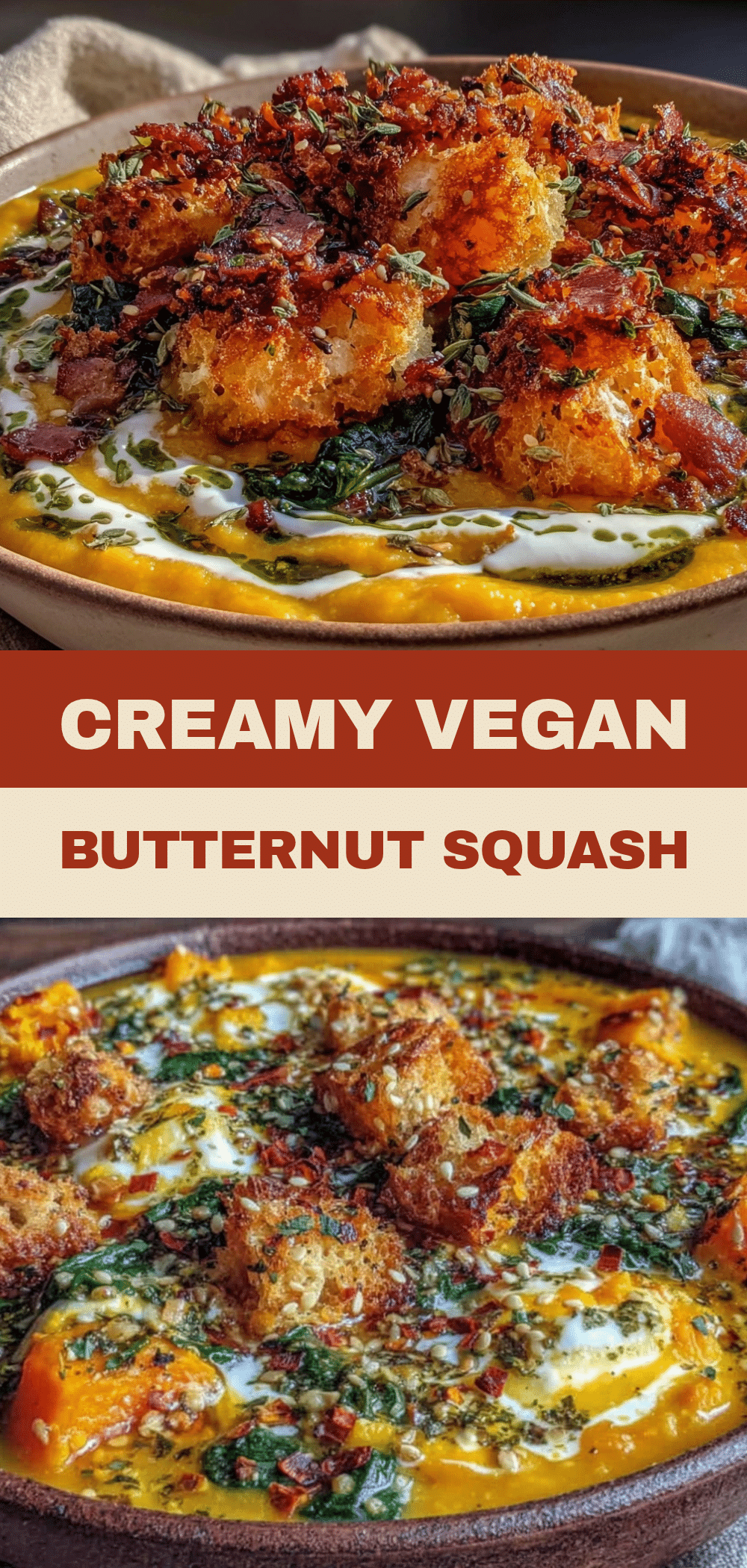
Taste the soup. Add salt and pepper as needed. If it’s too thick, add a splash of water or broth. If it’s too thin, let it simmer uncovered for a few more minutes. Serve hot, garnished with fresh cilantro, a squeeze of lime, and a sprinkle of roasted pumpkin seeds. It’s beautiful and comforting.
Total Time: About 45 minutes (15 minutes active, 30 minutes simmering)
Troubleshooting Tips
- Sauce too thick? Add water or broth a little at a time.
- Sauce too thin? Simmer uncovered for 5-10 minutes to reduce.
- Not spicy enough? Add more curry paste or red pepper flakes.
- Too salty? Add a splash of lime juice or a pinch of sugar to balance it.
Expert Tips & Tricks
Here’s everything I’ve learned from making this dozens of times. These tips will save you from my mistakes and help you make the best soup ever.
Roast the Squash for Extra Flavor
Instead of boiling the squash in the soup, try roasting it first. Toss the cubed squash with a little oil and roast at 400°F (200°C) for 25 minutes until caramelized. Then add it to the pot with the coconut milk. This adds a depth of flavor that boiling doesn’t achieve. It’s a game-changer. I do this when I have extra time.
Don’t Skimp on the Coconut Milk
Use full-fat coconut milk. Light coconut milk will make the soup thin and less creamy. The fat is what makes it feel luxurious. If you’re worried about calories, just enjoy a smaller portion. It’s worth it.
Bloom the Curry Paste
As I mentioned, cooking the curry paste in the oil before adding the liquid is crucial. It releases the essential oils and makes the flavor more complex. Don’t skip this step. It takes 2 minutes and makes a big difference.
Adjust the Heat
Curry paste varies in heat level. Start with 2 tablespoons and taste. Add more if you want it spicier. Remember, you can always add more heat, but you can’t take it away. If it’s too spicy, add a splash of coconut milk or a pinch of sugar.
Use Fresh Lime Juice
A squeeze of fresh lime juice right before serving brightens the entire dish. It cuts through the richness of the coconut and makes the flavors pop. Don’t use bottled lime juice. It doesn’t have the same brightness.
Common Mistakes
- Mistake: Soup is watery. Fix: Simmer uncovered to reduce. Or add more squash.
- Mistake: Soup is too bland. Fix: Add more curry paste, salt, or lime juice.
- Mistake: Soup is too spicy. Fix: Add more coconut milk or a pinch of sugar.
Variations & Substitutions
Once you’ve nailed the basic version, here’s how you can mix it up. I’ve tried all of these, and they all work.
Spicy Version
Add 1 teaspoon of chili flakes or a spoonful of sriracha. This is for those who like it hot. I add this when I’m feeling adventurous.
Green Curry Version
Use green curry paste instead of red. It’s spicier and has a different herb profile. Add a handful of fresh basil leaves at the end. It’s fresh and fragrant.
Protein-Packed Version
Add cooked chickpeas or tofu cubes. I often add chickpeas for extra protein. It makes the soup more filling. It’s great for lunch leftovers.
Vegetable-Loaded Version
Add spinach or kale in the last 5 minutes of simmering. It wilts right in and adds nutrients. I do this when I want to sneak in more veggies.
Dietary Modifications
Gluten-Free: This recipe is naturally gluten-free. Just make sure your curry paste and broth are gluten-free.
Dairy-Free: This recipe is naturally dairy-free. Coconut milk is the creamy base.
Low-Sodium: Use low-sodium broth and no added salt. Taste and adjust at the end.
Serving & Storage
Here’s how to serve and store your soup for maximum deliciousness.
How to Serve
I usually serve this in wide bowls with a drizzle of coconut cream and a sprinkle of cilantro. It looks beautiful. Pair it with crusty bread or naan for dipping. It’s perfect for a cozy night in or a dinner party. I also like to serve it with a side salad to balance the richness. If you’re hosting a gathering, this soup is a crowd-pleaser. It’s warm, comforting, and visually appealing. For a more festive touch, try serving it with a Labor Day Watermelon Mint Sangria as a refreshing drink option.
Side Dishes
- Crusty sourdough bread
- Naan or roti
- Simple green salad
- Rice or quinoa
Storage Instructions
- Refrigerator: Store in an airtight container for up to 4 days. The soup will thicken in the fridge. Add a splash of water or broth when reheating.
- Freezing: This soup freezes well. Let it cool completely, then freeze in portions for up to 3 months. Thaw in the fridge overnight and reheat gently.
- Reheating: Reheat on the stove over low heat, stirring frequently. Add a splash of liquid if it’s too thick. Don’t boil it.
Nutrition Information
I’m not a nutritionist, but here’s the breakdown if you’re tracking. This is per serving (based on 6 servings).
| Nutrient | Amount |
|---|---|
| Calories | 280 |
| Protein | 4g |
| Carbs | 28g |
| Fiber | 6g |
| Sugar | 8g |
| Fat | 18g |
| Saturated Fat | 14g |
| Sodium | 350mg |
It’s relatively low in calories but high in healthy fats from the coconut milk. It’s a good source of fiber from the squash. If you want to make it lighter, use light coconut milk, but you’ll lose some creaminess. This is comfort food, so enjoy it!
Final Thoughts
So that’s my vegan butternut squash coconut curry soup! It’s simple, it’s delicious, and it’s perfect for any occasion. I’ve made it for dinner parties, cozy nights in, and just to treat myself. It’s become a staple in my kitchen because it’s so versatile and satisfying. I hope you try it and love it as much as I do. Make it yours! Add extra veggies, adjust the spice, or garnish with whatever you like. The best recipes are the ones you adapt to your tastes. If you make this, drop a comment and let me know how it turned out. I love hearing from you. Happy cooking!
Frequently Asked Questions
Can I use frozen butternut squash?
Yes, you can. Just thaw it first and drain any excess water. It might be a bit softer, but it works fine. Fresh squash tastes better, but frozen is a good backup.
Why is my soup too thin?
It might need more time to simmer. Let it cook uncovered for 10-15 minutes to reduce. Or add more squash. If it’s still too thin, you can blend in a little more coconut cream.
Can I make this ahead?
Yes, this soup tastes even better the next day. Make it up to 3 days ahead and store in the fridge. Reheat gently and add a splash of liquid if needed.
Is this soup spicy?
It depends on the curry paste. Red curry paste is usually medium heat. Start with 2 tablespoons and taste. Add more if you want it spicier. You can always tone it down with coconut milk.
Can I use green curry paste?
Yes, green curry paste works great. It’s usually spicier, so use less to start. It has a different flavor profile, but it’s delicious.
How do I reheat leftovers?
Reheat on the stove over low heat, stirring frequently. Add a splash of water or broth if it’s too thick. Don’t boil it. You can also microwave it in short bursts, stirring between.
Can I freeze this soup?
Yes, it freezes well. Let it cool completely, then freeze in portions for up to 3 months. Thaw in the fridge overnight and reheat gently.
Pin This Recipe!

Vegan Butternut Squash Coconut Curry Soup
- Total Time: 45 minutes
- Yield: 6 servings 1x
Description
A creamy, velvety, and fragrant five-ingredient soup that is naturally vegan and gluten-free. Perfect for dinner parties or cozy nights in, this dish balances the sweetness of roasted squash with rich coconut milk and aromatic curry paste.
Ingredients
- 1 large butternut squash (about 2 lbs or 900g), peeled and cubed into 1-inch pieces
- 1 medium yellow onion, diced
- 4 cloves garlic, minced
- 2–3 tablespoons red curry paste
- 1 can (13.5 oz / 400ml) full-fat coconut milk
- 1 cup (240ml) vegetable broth
- 1 tablespoon oil (coconut or olive oil)
- Salt and pepper to taste
- Fresh cilantro, chopped (for garnish)
- Lime wedges (for serving)
- Roasted pumpkin seeds (for garnish)
Instructions
- Prep ingredients: Peel and cube the squash, dice the onion, and mince the garlic.
- Heat oil in a large Dutch oven or heavy-bottomed pot over medium heat.
- Add diced onion and cook for 3-4 minutes until soft and translucent.
- Add minced garlic and cook for 1 minute, stirring constantly until fragrant.
- Add curry paste and stir for 1-2 minutes to bloom the spices.
- Add cubed squash to the pot and stir to coat in the paste.
- Pour in coconut milk and vegetable broth, stirring to combine.
- Bring to a boil, then reduce heat to low, cover, and simmer for 20-25 minutes until squash is tender.
- Remove from heat and blend with an immersion blender until smooth.
- Season with salt and pepper to taste. If too thick, add water or broth; if too thin, simmer uncovered.
- Serve hot, garnished with fresh cilantro, lime juice, and roasted pumpkin seeds.
Notes
For extra flavor, you can roast the squash cubes at 400°F (200°C) for 25 minutes before adding them to the pot. Ensure you use full-fat coconut milk for the best creamy texture. If the soup is too spicy, add more coconut milk or a pinch of sugar. If it’s too thin, simmer uncovered to reduce.
- Prep Time: 15 minutes
- Cook Time: 30 minutes
- Category: Soup
- Cuisine: Asian
Nutrition
- Serving Size: 1 bowl
- Calories: 280
- Sugar: 8
- Sodium: 350
- Fat: 18
- Saturated Fat: 14
- Carbohydrates: 28
- Fiber: 6
- Protein: 4
Keywords: vegan, gluten-free, butternut squash, coconut curry, soup, dinner party, healthy, comfort food, dairy-free