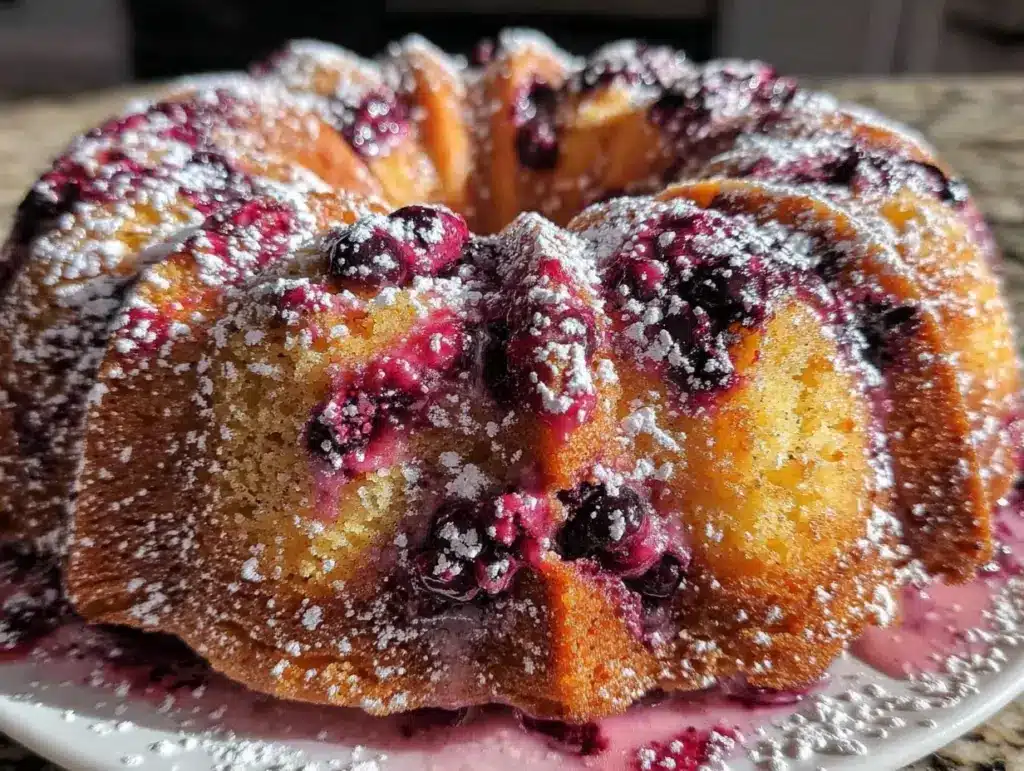
Last summer, I hosted a small dinner party for about ten people. Half of my guests were gluten-sensitive, and I was convinced I’d have to serve them a sad, dry plate of plain chicken while the rest of the table enjoyed dessert. I was wrong. I baked this gluten-free lemon blueberry bundt cake, and by the time it was sliced and served, the gluten-free crowd was practically begging for the recipe. My friend Sarah, who hasn’t eaten a proper slice of cake in years, told me it was the most moist, flavorful dessert she’d had since her diagnosis. That’s when I knew I had something special.
Here’s the thing about gluten-free baking: it has a reputation for being difficult. You end up with cakes that crumble before you can plate them or taste like cardboard. But this gluten-free lemon blueberry bundt cake? It’s different. It’s tender, it’s bright with citrus, and it holds its shape beautifully. I’ve tested this recipe over a dozen times, tweaking the flour blend and the liquid ratios until it was perfect. Now, it’s my go-to for every gathering, from casual brunches to elegant dinner parties.
What makes this cake stand out isn’t just that it’s gluten-free—it’s that it’s genuinely delicious, even for people who don’t have dietary restrictions. The combination of tart lemon and sweet blueberries creates a flavor profile that’s both refreshing and comforting. Plus, the bundt shape makes it look incredibly impressive, like you spent hours in the kitchen, when you really only needed about an hour from start to finish. If you’re looking for a dessert that impresses every time, this is it.
Why You’ll Love This Gluten-Free Lemon Blueberry Bundt Cake
I’ve made this cake for everyone from picky teenagers to sophisticated food critics, and everyone asks for seconds. There are about ten reasons I keep coming back to this recipe, but here are the big ones that make it a staple in my kitchen.
- Moisture That Defies Logic — Seriously, gluten-free cakes are supposed to be dry, right? Not this one. I use a blend of almond flour and gluten-free all-purpose flour, which keeps the crumb incredibly tender. It stays moist for days, even without preservatives. I’ve kept slices in the fridge for four days, and they still tasted fresh.
- Bright, Bold Flavor — The lemon isn’t subtle. It’s zesty and vibrant, cutting through the sweetness perfectly. The blueberries burst in every bite, adding pockets of juicy tartness. It’s not cloying; it’s balanced. I’ve served this alongside heavier dishes like smoky honey garlic ribs, and the citrusy cake provides a perfect palate cleanser.
- Impressive Presentation — The bundt pan gives it that elegant, bakery-style look. It doesn’t need much decoration—a simple powdered sugar glaze is enough. It looks like something you’d buy at a high-end patisserie, but you made it at home for a fraction of the cost.
- Make-Ahead Friendly — This cake actually tastes better the next day. The flavors meld together overnight, and the glaze sets nicely. I often bake it the night before a party, which saves me so much stress. Just keep it covered at room temperature.
- Gluten-Free Without the Guilt — My friends who avoid gluten often feel like they’re missing out on celebrations. This cake lets them feel included and special. It’s not a “diet” cake; it’s a delicious cake that happens to be safe for everyone.
This is my go-to dessert when I want to treat myself or impress guests. It’s reliable, it’s beautiful, and it tastes incredible. No complicated techniques, just good ingredients and a bit of love.
Ingredients You’ll Need
Here’s the best part: you probably have most of these ingredients already. I’m particular about a few things here, and I’ll tell you exactly why they matter for this gluten-free lemon blueberry bundt cake.
For the Cake
Unsalted Butter (1 cup / 226g) — Room temperature is crucial. It needs to be soft enough to indent when you press it, but not melted. This helps create a creamy batter with air bubbles, which gives the cake lift. I use high-quality European butter when I can—it makes a noticeable difference in flavor.
Granulated Sugar (1 ½ cups / 300g) — Don’t skimp on the sugar. It’s not just for sweetness; it helps tenderize the gluten-free flour blend. I use white sugar for the best crumb structure, but you can substitute half with light brown sugar for a deeper flavor.
Eggs (4 large) — Room temperature eggs blend better into the batter, ensuring a smooth, uniform mix. Cold eggs can cause the butter to seize up, leading to a curdled batter. I take them out of the fridge 30 minutes before I start.
Vanilla Extract (2 teaspoons) — Use real vanilla, not imitation. It adds warmth and depth that balances the bright citrus. I keep a bottle of Nielsen-Massey on hand because it’s potent and pure.
Gluten-Free All-Purpose Flour (1 ½ cups / 180g) — This is the base. I use King Arthur Measure for Measure or Bob’s Red Mill 1-to-1. Make sure it contains xanthan gum; if yours doesn’t, add ½ teaspoon of xanthan gum to the dry ingredients. This helps bind the cake so it doesn’t crumble.
Almond Flour (1 cup / 100g) — This is the secret to moisture. Almond flour adds fat and a tender crumb that rice flour or tapioca starch alone can’t achieve. It’s finicky, so don’t substitute it with coconut flour—it will absorb too much liquid.
Baking Powder (1 ½ teaspoons) — Make sure it’s fresh! Old baking powder won’t give the cake enough rise. I test mine every few months by dropping a bit in hot water; if it fizzes vigorously, it’s good.
Salt (½ teaspoon) — Essential for enhancing flavor. Don’t skip it.
Lemon Zest (2 lemons) — Use organic lemons if possible, since you’re using the zest. The zest contains the essential oils that give the cake its bright aroma. I zest before I juice.
Lemon Juice (¼ cup / 60ml) — Freshly squeezed is non-negotiable. Bottled juice tastes metallic and flat. I use about three to four lemons to get this amount.
Whole Milk (½ cup / 120ml) — Room temperature. Adds richness and helps hydrate the dry ingredients. Buttermilk works too, but it makes the cake slightly denser.
For the Glaze
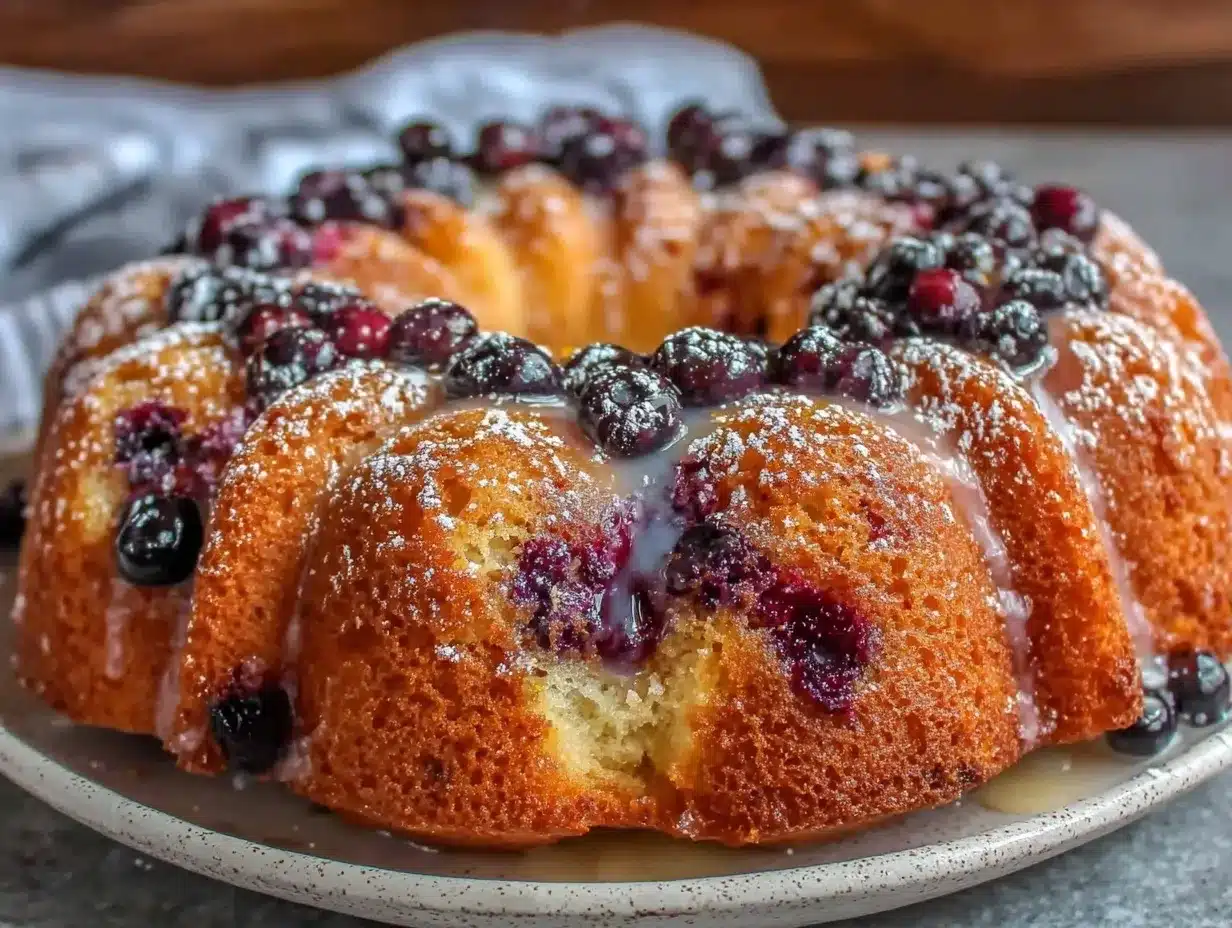
Confectioners’ Sugar (1 cup / 120g) — Sifted to remove lumps. I hate lumpy glaze.
Lemon Juice (2-3 tablespoons) — Adjust for consistency. You want it thick enough to drip slowly, not runny.
Lemon Zest (1 teaspoon) — For garnish and extra flavor.
For the Berries
Fresh Blueberries (1 ½ cups) — Fresh is best, but frozen works too. If using frozen, do not thaw them first; toss them in a tablespoon of gluten-free flour to prevent them from sinking to the bottom.
Extra Flour (1 tablespoon) — Tossing the blueberries in flour helps them distribute evenly throughout the cake instead of settling at the bottom of the pan.
Equipment Needed
You don’t need fancy equipment for this. Here’s what I actually use.
12-Cup Bundt Pan — I use a heavy-duty aluminum bundt pan. It heats evenly and releases the cake easily. Non-stick coatings are helpful, but make sure it’s in good condition. If your pan is old and scratched, grease it thoroughly.
Electric Mixer — A hand mixer or stand mixer makes creaming the butter and sugar much easier. Doing it by arm is possible, but it takes effort and time.
Zester or Microplane — For getting fine lemon zest. A box grater works too, but you might get bits of white pith, which is bitter.
Sifting Tool — For the confectioners’ sugar. A fine-mesh sieve works well.
Cooling Rack — Essential for cooling the cake evenly. If you let it cool in the pan too long, it might steam and become soggy.
Pastry Brush — Optional, but nice for brushing on any extra glaze or syrup.
How to Make It: Step-by-Step
Alright, let’s make this! I’m walking you through exactly how I do it, including the little tricks I’ve picked up over the years.
Step 1: Prep Your Pan and Oven (5 minutes)
Preheat your oven to 350°F (175°C). This is critical—make sure it’s fully preheated before the cake goes in. Grease your bundt pan thoroughly with butter or non-stick cooking spray, making sure to get into all the nooks and crannies. Dust with gluten-free flour, tapping out the excess. If you skip this, the cake will stick, and you’ll lose that beautiful shape.
Step 2: Mix the Dry Ingredients (3 minutes)
In a medium bowl, whisk together the gluten-free flour, almond flour, baking powder, and salt. Set this aside. Whisking ensures the leavening agent is evenly distributed, which prevents dense spots in the cake.
Step 3: Cream the Butter and Sugar (3-4 minutes)
In a large bowl, beat the room-temperature butter and granulated sugar together on medium-high speed until light and fluffy, about 3-4 minutes. This step incorporates air, which helps the cake rise. The mixture should look pale and creamy.
Step 4: Add Eggs and Flavorings (2 minutes)
Add the eggs one at a time, beating well after each addition. Scrape down the sides of the bowl. Mix in the vanilla extract and lemon zest. The batter should smell amazing by now.
Step 5: Combine Wet and Dry (2 minutes)
With the mixer on low, gradually add the dry ingredients to the butter mixture, alternating with the milk. Start and end with the dry ingredients. Mix just until combined—do not overmix! Overmixing can make the cake tough. The batter will be thick.
Step 6: Fold in the Blueberries (1 minute)
Toss the blueberries with the tablespoon of flour. Gently fold them into the batter using a spatula. Be careful not to crush them. If you’re using frozen berries, add them now.
Step 7: Bake the Cake (50-60 minutes)
Pour the batter into the prepared bundt pan and smooth the top. Bake for 50-60 minutes. Check at 50 minutes by inserting a wooden skewer into the center. If it comes out clean or with just a few moist crumbs, it’s done. If it’s wet, bake for 5-10 more minutes. The top should be golden brown.
Step 8: Cool and Glaze (1 hour)
Let the cake cool in the pan for 10 minutes, then invert it onto a cooling rack. Let it cool completely before glazing. If you glaze a warm cake, the glaze will melt and drip off. Mix the confectioners’ sugar and lemon juice until smooth, then drizzle over the cooled cake. Sprinkle with extra lemon zest.
Expert Tips & Tricks
Here’s everything I’ve learned from making this dozens of times. These tips will save you from my mistakes.
Room Temperature Ingredients — This is non-negotiable for gluten-free baking. Cold eggs and butter won’t emulsify properly, leading to a dense cake. I plan ahead and take everything out of the fridge early.
Don’t Overmix — Gluten-free flours can become gummy if overmixed. Mix until just combined. The batter will look lumpy, and that’s okay.
Check Your Pan — If your bundt pan has a non-stick coating that’s worn off, the cake might stick. Test your pan with a small batch first. If it sticks, try a different brand of pan or use a baking release spray with flour.
Use Fresh Lemon Juice — Bottled lemon juice has preservatives that can alter the flavor. Fresh juice is bright and clean. I juice my lemons right before I bake.
Let It Cool Completely — I know it’s tempting to slice it early, but the cake needs time to set. If you cut it warm, it will crumble. Patience pays off.
Glaze Consistency — If the glaze is too thick, add more lemon juice, a teaspoon at a time. If it’s too thin, add more sugar. You want it to coat the back of a spoon.
Variations & Substitutions
Once you’ve nailed the basic version, here’s how you can mix it up. I’ve tried all of these.
Raspberry Swap — Replace blueberries with raspberries. They’re more delicate, so fold them in gently. The flavor is equally tart and delicious.
Poppy Seed Addition — Add 1 tablespoon of poppy seeds to the batter. They add a nice crunch and visual appeal. It’s a classic combination.
Coconut Variation — Replace almond flour with shredded coconut. Add 2 tablespoons of coconut extract to the batter. It’s tropical and delicious.
Gluten-Free Flour Blend — If you don’t have almond flour, you can use more gluten-free all-purpose flour, but the cake will be slightly less moist. I recommend adding an extra egg yolk for richness.
Vegetarian — This recipe is already vegetarian. Just make sure your bundt pan is clean and not used for meat products.
Dairy-Free Option — Replace butter with vegan butter and milk with almond milk. The texture will be slightly different, but it’s still tasty. I haven’t tested this extensively, so results may vary.
Serving & Storage
How to Serve: I usually serve this cake at room temperature. It’s the perfect texture then. Pair it with a cup of tea or coffee. It’s also great with a scoop of vanilla ice cream or a dollop of whipped cream. For a more elegant presentation, serve it on a pretty cake stand with fresh berries on the side.
Storage: Store leftovers in an airtight container at room temperature for up to 3 days. The cake stays moist this way. If you live in a hot climate, store it in the fridge, but let it come to room temperature before serving.
Freezing: You can freeze the cake (without glaze) for up to 3 months. Wrap it tightly in plastic wrap and then in aluminum foil. Thaw it overnight in the fridge, then glaze it before serving. The texture holds up well.
Meal Prep: This cake is great for make-ahead desserts. Bake it the night before, store it covered, and glaze it the next day. It’s a lifesaver for busy hosts.
Nutrition Information
I’m not a nutritionist, but here’s the breakdown if you’re tracking. This is per serving (1/12th of the cake).
| Nutrient | Amount |
|---|---|
| Calories | 320 |
| Fat | 18g |
| Carbs | 38g |
| Fiber | 2g |
| Sugar | 26g |
| Protein | 5g |
What’s Good: It’s naturally gluten-free and contains healthy fats from almond flour. It’s a good source of energy for a dessert.
What to Know: It’s high in sugar and fat, as expected for a bundt cake. Enjoy in moderation. If you’re watching carbs, consider reducing the sugar in the glaze or using a sugar substitute.
My Take: Look, this is a treat. It’s not a health food. But it’s a delicious, indulgent dessert that everyone can enjoy. When I make it, I focus on the joy of sharing it with friends and family.
Final Thoughts
So that’s my gluten-free lemon blueberry bundt cake! I’ve probably talked your ear off at this point, but when you make a recipe this often, you have a lot to say about it. This cake has saved me from dessert disasters more times than I can count. It’s my answer to “what can I bring to the party?” when I know there are gluten-free guests. It’s impressive, it’s delicious, and it’s safe for everyone.
Make it yours! Try different berries, add a streusel topping, or change the glaze to a cream cheese frosting. The best recipes are the ones you adapt to your tastes. If you make this, drop a comment and let me know what you think! I love hearing how recipes turn out in your kitchen. And if something doesn’t work, tell me that too—I’m here to help troubleshoot.
Happy baking! And I hope your kitchen smells half as good as mine does right now.
Frequently Asked Questions
Can I use a different type of flour?
You can, but the texture will change. Almond flour is key for moisture. If you substitute it with coconut flour, you’ll need to adjust the liquid significantly, as coconut flour is very absorbent. I recommend sticking with the almond flour for the best results. If you’re allergic to nuts, you can use more gluten-free all-purpose flour and add an extra egg yolk for richness.
Why did my cake stick to the pan?
This usually happens if the pan wasn’t greased thoroughly enough or if the cake wasn’t cooled properly. Make sure to get butter or spray into every crevice of the bundt pan. Also, let the cake cool in the pan for 10 minutes before inverting it. If you wait too long, it might stick. If it does stick, try running a thin knife around the edges gently.
Can I use frozen blueberries?
Yes, you can! Just make sure they’re frozen solid when you add them to the batter. Do not thaw them, as this will release too much juice and make the cake soggy. Tossing them in a little flour helps prevent them from sinking to the bottom.
How do I store leftovers?
Store the cake in an airtight container at room temperature for up to 3 days. If you live in a hot or humid climate, store it in the fridge. Let it come to room temperature before serving for the best flavor and texture.
Can I double this recipe?
Yes, but you’ll need two bundt pans or a larger pan. Adjust the baking time accordingly, as a larger pan might take longer. I recommend baking in two smaller pans for even cooking.
Is this cake safe for celiacs?
Yes, as long as you use certified gluten-free flour and ensure all other ingredients are gluten-free. Cross-contamination is a risk in some kitchens, so make sure your utensils and pans are clean.
Can I make this ahead of time?
Absolutely! Bake the cake a day ahead, store it covered, and glaze it the next day. This actually helps the flavors meld and makes the cake easier to handle.
Pin This Recipe!
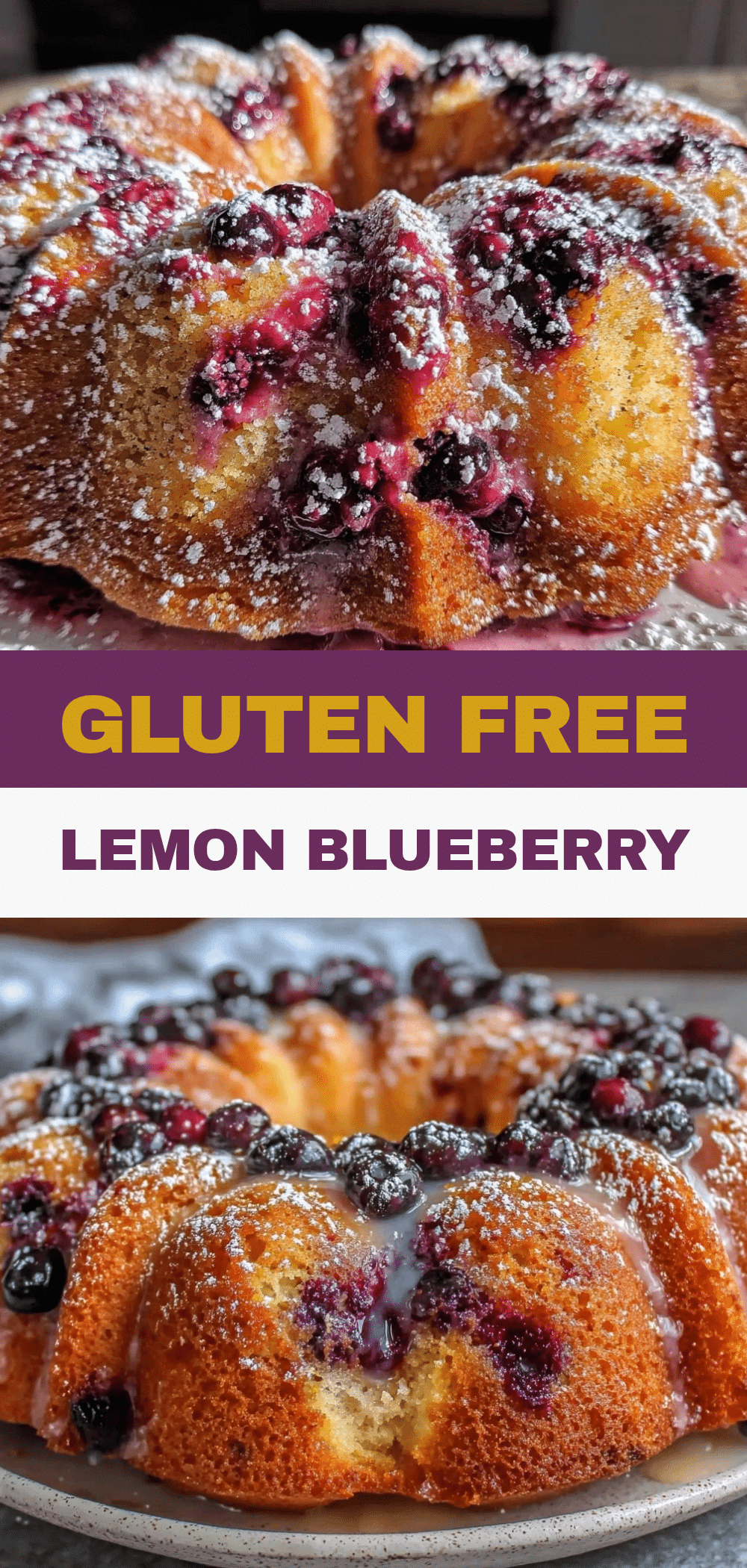

Gluten-Free Lemon Blueberry Bundt Cake: Best Ever
- Total Time: 1 hour 15 minutes
- Yield: 12 servings 1x
Description
A moist, tender, and flavorful gluten-free lemon blueberry bundt cake that holds its shape beautifully. This impressive dessert features bright citrus notes and juicy blueberries, making it perfect for dinner parties and gatherings.
Ingredients
- 1 cup (226g) unsalted butter, room temperature
- 1 ½ cups (300g) granulated sugar
- 4 large eggs, room temperature
- 2 teaspoons vanilla extract
- 1 ½ cups (180g) gluten-free all-purpose flour (with xanthan gum)
- 1 cup (100g) almond flour
- 1 ½ teaspoons baking powder
- ½ teaspoon salt
- Zest of 2 lemons
- ¼ cup (60ml) fresh lemon juice
- ½ cup (120ml) whole milk, room temperature
- 1 ½ cups fresh blueberries
- 1 tablespoon extra gluten-free flour (for tossing berries)
- 1 cup (120g) confectioners’ sugar, sifted
- 2–3 tablespoons lemon juice (for glaze)
- 1 teaspoon lemon zest (for garnish)
Instructions
- Preheat oven to 350°F (175°C). Grease a 12-cup bundt pan thoroughly with butter or non-stick spray and dust with gluten-free flour, tapping out excess.
- In a medium bowl, whisk together the gluten-free flour, almond flour, baking powder, and salt. Set aside.
- In a large bowl, beat the room-temperature butter and granulated sugar on medium-high speed until light and fluffy, about 3-4 minutes.
- Add eggs one at a time, beating well after each addition. Scrape down the sides of the bowl. Mix in vanilla extract and lemon zest.
- With the mixer on low, gradually add the dry ingredients to the butter mixture, alternating with the milk. Start and end with dry ingredients. Mix just until combined.
- Toss blueberries with the tablespoon of extra flour. Gently fold them into the batter using a spatula.
- Pour batter into the prepared bundt pan and smooth the top. Bake for 50-60 minutes, or until a wooden skewer inserted into the center comes out clean.
- Let the cake cool in the pan for 10 minutes, then invert it onto a cooling rack. Let it cool completely.
- Mix confectioners’ sugar and lemon juice until smooth. Drizzle over the cooled cake and sprinkle with extra lemon zest.
Notes
Ensure all ingredients are at room temperature for best emulsification. Do not overmix the batter to avoid a tough texture. If using frozen blueberries, do not thaw them; toss them in flour to prevent sinking. The cake tastes better the next day as flavors meld. Store in an airtight container at room temperature for up to 3 days.
- Prep Time: 15 minutes
- Cook Time: 50-60 minutes
- Category: Dessert
- Cuisine: American
Nutrition
- Serving Size: 1/12th of the cake
- Calories: 320
- Sugar: 26
- Fat: 18
- Carbohydrates: 38
- Fiber: 2
- Protein: 5
Keywords: gluten-free, lemon blueberry cake, bundt cake, dessert, gluten-free baking, citrus dessert, blueberry recipe