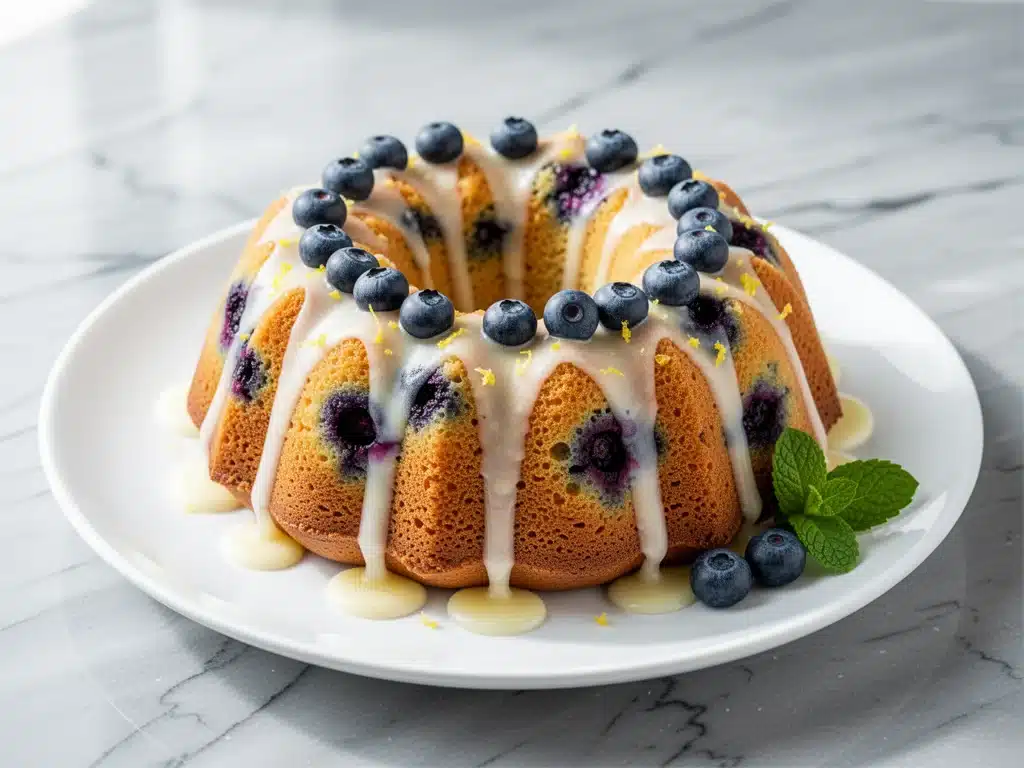
There is a specific kind of panic that sets in about forty-eight hours before Easter. You’ve handled the ham (or turkey, or whatever protein you’re tackling), the sides are sorted, and then you realize the centerpiece of the table—the dessert—is still just a vague idea in your head. For years, I fell into the trap of buying store-bought cake from the bakery. It was fine. It was safe. But it lacked that homemade warmth that makes people feel like they’re part of something special.
That changed three years ago when I decided to attempt my first bundt cake for a family brunch. I was terrified. Bundt cakes have a reputation for being finicky. They stick. They crack. They come out dense as a brick. I followed a box mix recipe, and sure enough, my cake looked more like a crater than a cake when I flipped it out of the pan. I was ready to throw in the towel.
But then I remembered my aunt Martha’s kitchen. She never used box mixes. She made a lemon blueberry bundt cake that was so moist it practically melted on your tongue, with a vanilla glaze that dripped down the sides in the most beautiful, rustic way. I asked for her secrets. She didn’t give me a complicated recipe; she gave me a philosophy: fat, acid, and patience.
That lesson transformed my baking. I spent the next year tweaking ratios, testing different flours, and figuring out the perfect balance of lemon zest and fresh berries. The result? This ultra-moist lemon blueberry bundt cake with vanilla glaze. It’s not just a dessert; it’s a conversation starter. It’s the kind of cake that makes your guests ask, “Did you really make this?” (The answer is always yes, and it’s easier than you think.)
If you’re looking for a dessert that feels elegant but is actually forgiving for home bakers, this is it. I’ve tested this recipe at least a dozen times, adjusting for different oven temperatures and humidity levels, to ensure it works in your kitchen too. It’s become my go-to for Easter, Mother’s Day, or any Sunday morning when you want to impress without spending all day in the kitchen.
Why You’ll Love This Recipe
I know what you’re thinking. Another bundt cake? But hear me out. This isn’t your average dry, crumbly cake that needs a gallon of milk to go down. This recipe is built on a foundation of moisture and bright, fresh flavors that cut through the sweetness perfectly.
- Stupidly Moist — Seriously, I’ve used Greek yogurt and sour cream in the batter, which keeps it tender for days. I made one last week, and it was still soft and fluffy four days later. Most cakes are dry by day two.
- Bright and Not Too Sweet — The lemon zest and juice provide a tangy punch that balances the vanilla glaze. It’s refreshing, not cloying. Perfect for spring.
- Make-Ahead Friendly — This is a huge win for holiday hosting. The cake actually tastes better the next day as the flavors meld. You can bake it two days ahead, wrap it tight, and just glaze it right before serving.
- Visual Drama — Bundt pans are all about shape. This cake looks stunning with its intricate ridges, and the vanilla glaze drips down those grooves in a way that looks professionally baked, even though it’s just you in your apron.
- Pantry Staples Plus One Trip — You probably have most of this already. You just need fresh blueberries, lemons, and maybe a block of cream cheese for the glaze. It’s not an expensive impulse buy.
Real talk: there is nothing quite like the smell of lemon and vanilla baking filling your house on a spring morning. It feels celebratory. It feels like care. And when you slice into that golden crumb, dotted with bursts of blueberry, you’ll know exactly why this has become my Easter tradition.
Ingredients You’ll Need
Before we dive into the mixing bowls, let’s talk about what goes in. I’m particular about a few of these because they make the difference between “okay” and “amazing.”
For the Cake Batter
Unsalted Butter (1 cup / 226g) — Softened to room temperature. This is crucial. If your butter is cold, it won’t cream properly with the sugar, and your cake won’t rise evenly. I take mine out of the fridge about an hour before I start.
Granulated Sugar (1 ½ cups / 300g) — Standard white sugar. Don’t swap for brown sugar here; we want that light, tender crumb, not a chewy texture.
Eggs (4 large) — Room temperature eggs emulsify better into the batter. Cold eggs can cause the mixture to curdle. If I forget, I just drop them in a bowl of warm water for five minutes.
All-Purpose Flour (3 cups / 375g) — Spoon and level method! Don’t scoop directly from the bag, or you’ll pack in too much flour and get a dense cake. Spoon it into the cup and level it off with a knife.
Baking Powder & Baking Soda (1 tsp / 1 tsp) — Fresh is best. If your baking powder is older than six months, toss it. Test it with a little vinegar to see if it fizzes. Old leavening agents are the silent killer of fluffy cakes.
Salt (1 tsp) — Enhances all the flavors. Don’t skip it.
Greek Yogurt (1 cup / 245g) — Full-fat plain yogurt. This is my secret weapon for moisture. It adds protein and tang without making the cake heavy. Skim yogurt works in a pinch, but full-fat is richer.
Sour Cream (½ cup / 120g) — Another moisture booster. It tenderizes the gluten in the flour. I use full-fat for the best texture.
Vegetable Oil (½ cup / 120ml) — Oil keeps cakes moister than butter alone. This blend of butter (for flavor) and oil (for moisture) is the gold standard for bundt cakes.
Lemons (3 medium) — We need zest from all three and juice from about two. Fresh lemon juice is non-negotiable. Bottled juice tastes flat and metallic.
Vanilla Extract (2 tsp) — Use pure vanilla, not imitation. It makes a noticeable difference in the final flavor.
Fresh Blueberries (1 ½ cups) — Do not use frozen blueberries unless you absolutely have to. Frozen berries release too much water and turn your batter purple. If you must use frozen, do not thaw them and toss them in flour first.
For the Vanilla Glaze
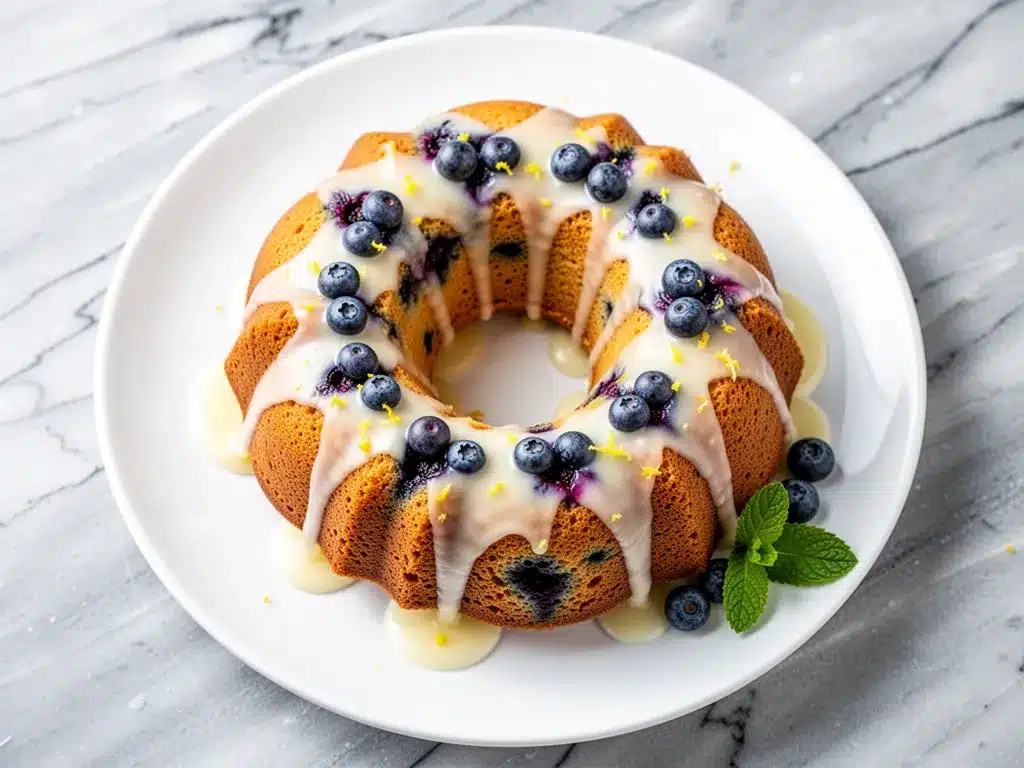
Confectioners’ Sugar (2 cups / 240g) — Sifted. This prevents lumps in your glaze. Nobody wants a chunky, gritty cake topping.
Heavy Cream or Whole Milk (3-4 tbsp) — Add gradually. You want a thick but pourable consistency.
Cream Cheese (2 oz / 56g) — Softened. This adds a slight tang and helps the glaze set a bit firmer than a simple sugar-water glaze. It’s my favorite twist.
Vanilla Extract (1 tsp) — For that aromatic finish.
Equipment Needed
You don’t need a fancy kitchen to make this, but you do need the right tools. Here’s what I actually use.
Bundt Pan (10-12 cup capacity) — I use a Nordic Ware classic bundt pan. It’s heavy, distributes heat evenly, and releases cakes like a dream. Avoid thin, flimsy metal pans; they conduct heat poorly and lead to uneven baking.
Electric Mixer — Handheld or stand mixer. Creaming butter and sugar by hand is possible, but your arm will hurt, and it won’t be as airy. I use my KitchenAid on medium speed.
Mixing Bowls — One large, one medium. I like stainless steel because they’re easy to clean.
Whisk and Spatula — A flexible silicone spatula is essential for folding in the blueberries without crushing them.
Sifter or Fine-Mesh Strainer — For the powdered sugar. It’s worth the extra thirty seconds.
Cooling Rack — Essential for cooling the cake evenly. If you leave it in the pan too long, steam gets trapped and makes the bottom soggy.
Pastry Brush — Optional, but helpful for brushing the pan with butter and flour evenly.
How to Make It: Step-by-Step
Alright, let’s bake! I’m walking you through exactly how I do it, including the little tricks I’ve picked up over the years.
Step 1: Prep the Pan and Oven (10 minutes)
Preheat your oven to 350°F (175°C). This needs to be hot enough to set the cake quickly but not so hot that the outside burns before the inside cooks. Grease your bundt pan generously. I use shortening (or butter) to coat every nook and cranny, then dust it with flour, tapping out the excess. This is the most critical step for preventing sticking. If you have a non-stick bundt pan, a light spray with baking spray might suffice, but I never trust spray alone for intricate pans.
Step 2: Mix Dry Ingredients (5 minutes)
In a medium bowl, whisk together the flour, baking powder, baking soda, and salt. Whisking ensures the leavening agents are evenly distributed, so you don’t get pockets of bitter soda in your cake. Set this aside.
Step 3: Cream Butter and Sugar (5 minutes)
In a large bowl, beat the softened butter and granulated sugar on medium-high speed for about 4-5 minutes. You’re looking for a pale, fluffy mixture. It might seem like forever, but this step incorporates air, which helps the cake rise. Scrape down the sides of the bowl with your spatula to ensure everything is mixed.
Step 4: Add Eggs and Flavorings (3 minutes)
Add the eggs one at a time, beating well after each addition. This emulsifies the batter. If you add them all at once, the mixture might break. Mix in the vanilla extract and the lemon zest. The zest is where the strong lemon flavor lives, so be generous.
Step 5: Combine Wet and Dry (4 minutes)
Reduce mixer speed to low. Add the dry ingredients in three parts, alternating with the yogurt and sour cream in two parts. Start and end with the dry ingredients. Mix just until combined. Do not overmix! Overmixing develops gluten, which leads to a tough, chewy cake. The batter should look thick and lumpy. That’s okay.
Step 6: Fold in Blueberries (2 minutes)
Toss the fresh blueberries with 1 tablespoon of the flour mixture (this helps them stay suspended in the batter instead of sinking to the bottom). Gently fold them into the batter using your spatula. Stop as soon as they are distributed. You’ll have streaks of flour; that’s fine.
Step 7: Bake (50-60 minutes)
Pour the batter into the prepared bundt pan and smooth the top. Bake for 50-60 minutes. Check at 50 minutes. Insert a toothpick into the center of the cake. If it comes out clean or with just a few moist crumbs, it’s done. If there’s wet batter, give it another 5-10 minutes. Bundt cakes can be tricky because the center is thick; be patient.
Step 8: Cool and Invert (30 minutes)
Let the cake cool in the pan for 10 minutes. This is the window where it sets enough to hold its shape but is still warm enough to release. After 10 minutes, place a cooling rack over the pan, flip it over, and gently lift the pan. If it sticks, give it a gentle shake or tap the bottom. Let it cool completely on the rack before glazing. A warm cake will melt the glaze right off.
Step 9: Make the Glaze (5 minutes)
Whisk the sifted powdered sugar, softened cream cheese, vanilla, and heavy cream until smooth. Add cream one tablespoon at a time until you reach a drizzle-able consistency. Pour over the completely cool cake, letting it drip down the sides.
Expert Tips & Tricks
Here’s everything I’ve learned from making this dozens of times. These tips will save you from my mistakes.
Room Temperature is King
I can’t stress this enough. Butter, eggs, yogurt, and cream cheese should all be room temperature. Cold ingredients don’t blend smoothly, leading to a dense, curdled batter. Plan ahead.
The Flour Toss for Berries
Tossing blueberries in a little flour before folding them in creates a barrier that prevents them from sinking. It’s a small step that makes a big visual difference.
Don’t Skip the Cool Down
I know it’s tempting to glaze it while it’s still warm. Resist! The heat will melt the glaze, and it will slide right off. Let it cool completely for the best presentation.
Glaze Consistency Check
If your glaze is too thick, add more cream drop by drop. If it’s too thin, add more powdered sugar. You want it to coat the back of a spoon but still drip slowly.
Storage for Freshness
This cake stays moist for up to 4 days stored in an airtight container at room temperature. The lemon and yogurt act as preservatives of sorts, keeping the crumb tender.
Variations & Substitutions
Once you’ve nailed the basic version, here’s how you can mix it up. I’ve tried all of these.
Raspberry Lemon
Swap the blueberries for fresh raspberries. They are more delicate, so handle them gently. The flavor is equally bright and delicious.
Poppy Seed Twist
Add 1 tablespoon of poppy seeds to the dry ingredients. It adds a lovely crunch and visual appeal.
Almond Extract
Swap half the vanilla extract for almond extract. Lemon and almond are a classic pairing that feels very sophisticated.
Gluten-Free
Use a 1:1 gluten-free flour blend. Make sure it contains xanthan gum, or add ½ teaspoon yourself. The texture will be slightly more crumbly but still moist.
Dairy-Free
Use vegan butter, coconut yogurt, and coconut cream. The flavor will be slightly different, but it still works. I’ve made this for friends with dairy sensitivities, and they loved it.
Serving & Storage
How to Serve
I usually serve this with a cup of hot coffee or tea. It’s perfect for Easter brunch, but also great for afternoon snacks. Slice it thin to appreciate the texture. Garnish with a few fresh blueberries or a twist of lemon zest on top of each slice.
Side Dishes
Pair it with a simple fruit salad or some fresh berries. If you’re serving a full meal, this cake is light enough not to overwhelm the palate after a rich main course.
Storage Instructions
Refrigerator: Not recommended for short-term storage as the fridge dries out cakes. Keep it at room temperature in an airtight container for up to 4 days.
Freezer: You can freeze the unglazed cake for up to 3 months. Wrap it tightly in plastic wrap and then foil. Thaw overnight in the fridge, then glaze. The texture holds up surprisingly well.
Pro Tip
If you’re making this for a crowd, double the recipe and bake in two pans. It’s easier to handle one cake than to stretch one cake across a table of guests.
Nutrition Information
I’m not a nutritionist, but here’s the breakdown if you’re tracking. Keep in mind, this is a rich cake, so portion control is key.
Per Serving (based on 12 slices):
- Calories: 380
- Protein: 5g
- Carbs: 52g
- Fiber: 1g
- Sugar: 38g
- Fat: 16g
- Saturated Fat: 9g
It’s not a diet food, but it’s better than most bakery cakes because you control the sugar and use real ingredients. When I make it, I enjoy a small slice with my morning coffee. It’s a treat, not a staple.
Final Thoughts
So that’s my ultra-moist lemon blueberry bundt cake! I’ve probably talked your ear off at this point, but when you make a recipe this often, you have a lot to say about it.
This cake has saved me more times than I can count. It’s my answer to “what’s for dessert?” when I’m tired, don’t want takeout, and still want something that tastes really good. My family is happy, my guests are impressed, and I’m happy because I’m not stressed about cooking.
Make it yours! Try different berries, adjust the lemon, or add a splash of liqueur to the glaze. The best recipes are the ones you adapt to your family’s tastes.
If you make this, drop a comment and let me know what you think! I love hearing how recipes turn out in your kitchen. And if something doesn’t work, tell me that too—I’m here to help troubleshoot.
Happy baking! And I hope your kitchen smells half as good as mine does right now.
Frequently Asked Questions
Can I use frozen blueberries?
I strongly recommend against it for this specific recipe. Frozen berries release a lot of water as they thaw, which can make the batter soggy and turn your cake purple. If you absolutely must use them, do not thaw them. Toss them in flour while still frozen and fold them in gently. But fresh is always better.
Why did my cake stick to the pan?
This is the most common bundt cake issue. It usually means the pan wasn’t greased and floured thoroughly enough, or the cake wasn’t cooled properly before flipping. Make sure you get into every crevice with butter or shortening. Also, let it cool for exactly 10 minutes—too long and it sticks, too short and it breaks.
Can I make this ahead of time?
Yes! This cake actually improves overnight. Bake it, let it cool completely, and wrap it tightly in plastic wrap. Store it at room temperature for up to 2 days. Glaze it the morning of your event. This takes the stress out of hosting.
Why did my cake sink in the middle?
This can happen if the oven door was opened too early, or if the cake was underbaked. Check your oven temperature with a thermometer; ovens can be inaccurate. Also, ensure your baking powder and soda are fresh. If it sinks slightly, it’s usually fine, but a major sink means it needed more time in the oven.
Can I substitute sour cream with yogurt?
Yes, you can. I use both in this recipe, but if you only have one, you can use 1 ½ cups of full-fat Greek yogurt. The texture will be slightly tangier, which is delicious.
How do I store leftovers?
Keep it in an airtight container at room temperature for up to 4 days. Do not refrigerate, as the cold will dry it out. If you need to store it longer, freeze the unglazed cake.
Pin This Recipe!
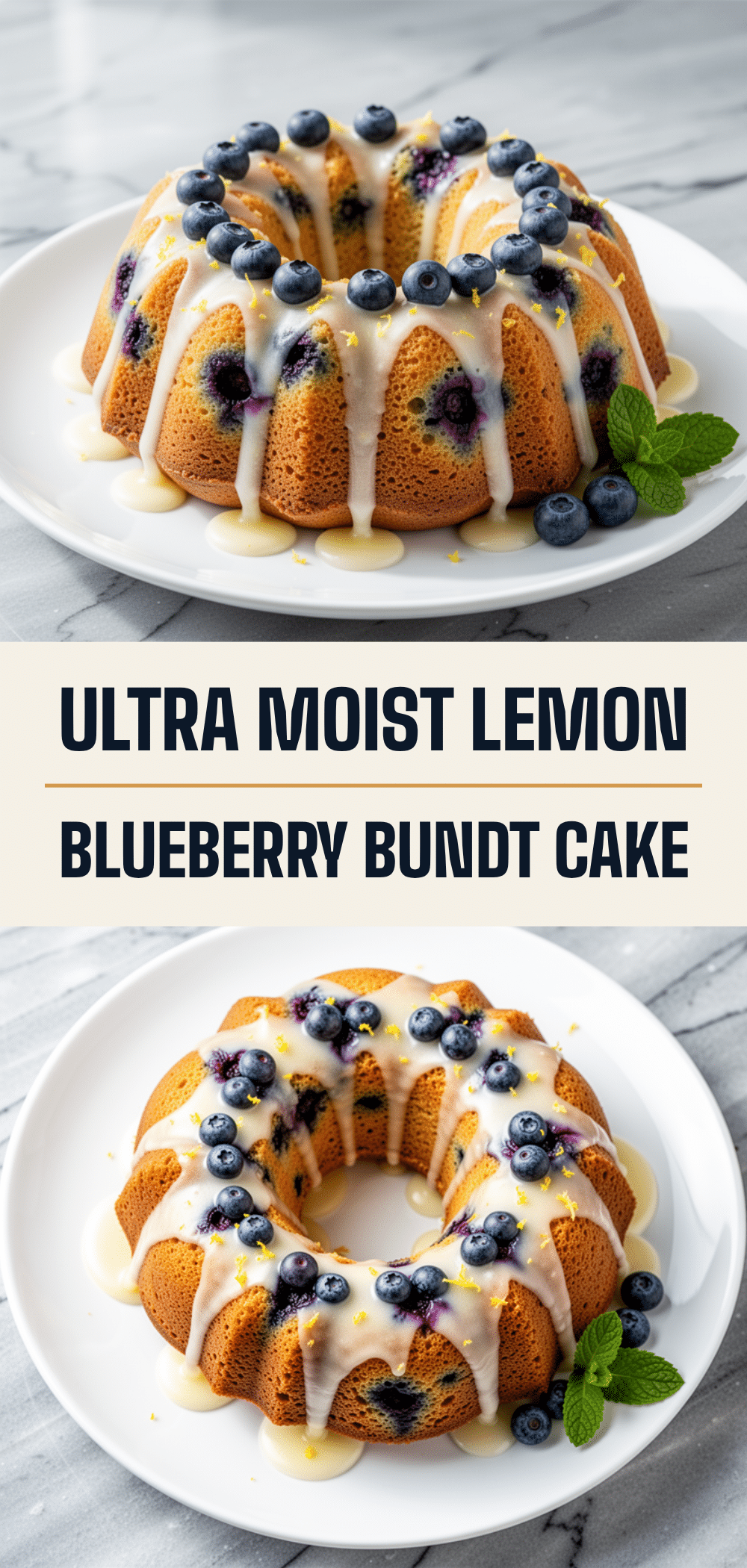
Ultra-Moist Lemon Blueberry Bundt Cake
- Total Time: 1 hour 15 minutes
- Yield: 12 servings 1x
Description
An ultra-moist lemon blueberry bundt cake with a vanilla cream cheese glaze, designed to be forgiving for home bakers while delivering elegant, restaurant-quality results.
Ingredients
- 1 cup (226g) unsalted butter, softened to room temperature
- 1 ½ cups (300g) granulated sugar
- 4 large eggs, room temperature
- 3 cups (375g) all-purpose flour, spooned and leveled
- 1 tsp baking powder
- 1 tsp baking soda
- 1 tsp salt
- 1 cup (245g) full-fat plain Greek yogurt
- ½ cup (120g) full-fat sour cream
- ½ cup (120ml) vegetable oil
- Zest of 3 medium lemons
- Juice of 2 medium lemons
- 2 tsp pure vanilla extract
- 1 ½ cups fresh blueberries
- 1 tbsp all-purpose flour (for tossing blueberries)
- 2 cups (240g) confectioners’ sugar, sifted
- 3–4 tbsp heavy cream or whole milk
- 2 oz (56g) cream cheese, softened
- 1 tsp vanilla extract (for glaze)
Instructions
- Preheat oven to 350°F (175°C). Generously grease a 10-12 cup bundt pan with shortening or butter, dust with flour, and tap out excess.
- In a medium bowl, whisk together the flour, baking powder, baking soda, and salt. Set aside.
- In a large bowl, beat the softened butter and granulated sugar on medium-high speed for 4-5 minutes until pale and fluffy. Scrape down the sides of the bowl.
- Add eggs one at a time, beating well after each addition. Mix in the vanilla extract and lemon zest.
- Reduce mixer speed to low. Add the dry ingredients in three parts, alternating with the yogurt and sour cream in two parts. Start and end with dry ingredients. Mix just until combined.
- Toss fresh blueberries with 1 tablespoon of the flour mixture. Gently fold them into the batter.
- Pour batter into the prepared pan and smooth the top. Bake for 50-60 minutes, or until a toothpick inserted in the center comes out clean.
- Let the cake cool in the pan for 10 minutes. Place a cooling rack over the pan, invert the cake, and lift the pan off. Let cool completely.
- Whisk sifted powdered sugar, softened cream cheese, vanilla extract, and heavy cream until smooth. Adjust consistency with more cream or sugar as needed.
- Pour glaze over the completely cool cake, allowing it to drip down the sides.
Notes
Ensure all ingredients (butter, eggs, yogurt, cream cheese) are at room temperature for best emulsification. Do not use frozen blueberries unless necessary, as they release too much water. Tossing berries in flour helps prevent them from sinking. The cake tastes better the next day as flavors meld. Store at room temperature in an airtight container for up to 4 days.
- Prep Time: 25 minutes
- Cook Time: 50-60 minutes
- Category: Dessert
- Cuisine: American
Nutrition
- Serving Size: 1 slice
- Calories: 380
- Sugar: 38
- Fat: 16
- Saturated Fat: 9
- Carbohydrates: 52
- Fiber: 1
- Protein: 5
Keywords: lemon blueberry bundt cake, easter dessert, moist bundt cake, vanilla glaze, spring baking, homemade cake


