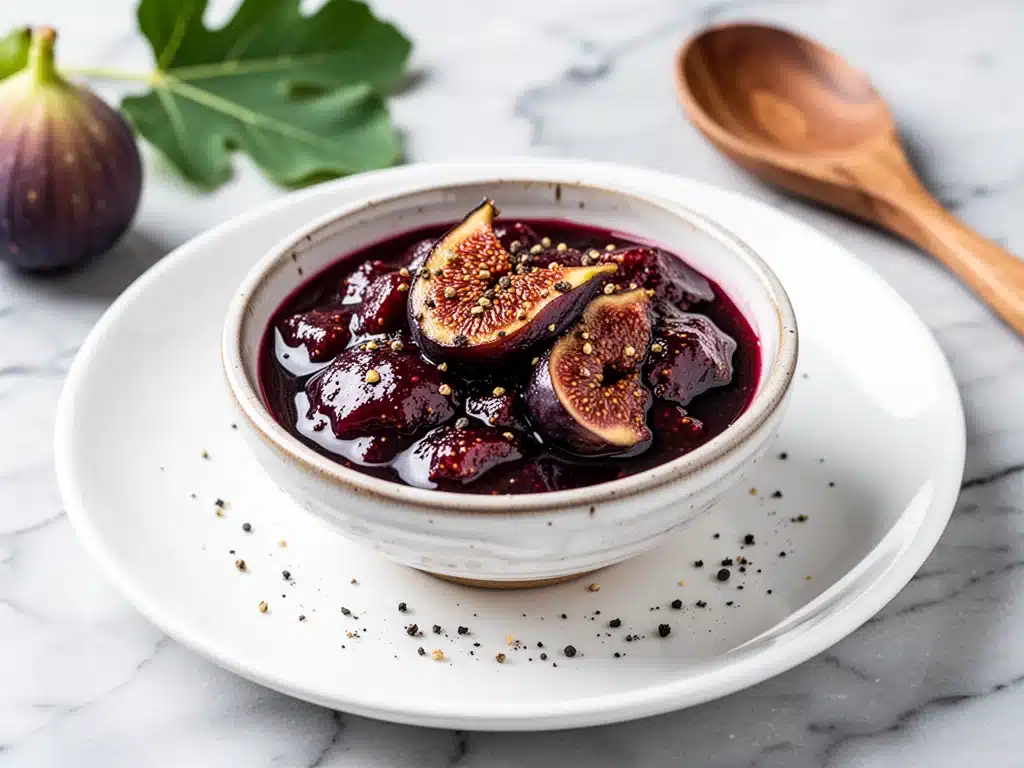
Last November, I was standing in my kitchen at 11 PM, feeling that specific kind of winter melancholy that hits when the days are short and the fridge is mostly empty. I had a bag of dried figs that had been sitting in the pantry for three months, slowly becoming harder than rocks, and a bottle of aged balsamic vinegar that cost more than my monthly grocery budget. I was too tired to cook a real dinner, so I threw them in a small saucepan with a crack of black pepper and some honey. I wasn’t trying to create a masterpiece. I was just trying to make something warm and interesting to eat on a cracker while I folded laundry.
What happened next was accidental magic. The figs broke down into this deep, ruby-red jammy mess, the balsamic reduced to a sticky syrup, and the black pepper added this subtle, warming kick that made everything taste sophisticated without any effort at all. I ate it straight off the spoon. Then I spread it on a piece of sourdough. Then I realized I needed to make more because my husband would definitely notice if I didn’t share.
This small-batch fig and balsamic jam with black pepper is now a permanent fixture in my kitchen rotation. It’s not just because it tastes incredible (though it does). It’s because it solves a specific problem: I want to feel like I’m making gourmet gifts and fancy accompaniments, but I don’t have hours to spend stirring pots. This recipe takes 20 minutes, uses four ingredients, and yields enough jam to last me through a cheese board weekend or two. I’ve made it at least a dozen times since that late-night snack incident, tweaking the pepper amount and the vinegar type until it was exactly right.
It’s the kind of condiment that makes you look like you have your life together, even when you’re just throwing together a quick charcuterie plate for two. And honestly? It’s better than anything I’ve bought at the store. Store-bought fig jam is usually just sugar and figs. This? This has depth. It has tang. It has that peppery bite that makes your taste buds sit up and pay attention.
Why You’ll Love This Recipe
There are about ten reasons I keep making this small-batch fig and balsamic jam, but here are the big ones that keep me coming back to the stove:
- Stupid Simple — Seriously, if you can chop a fig and pour vinegar, you can make this. I’ve made it while talking on the phone, while watching TV, and once while my toddler was napping (quietly). There’s no technique required, just patience.
- Lightning Fast — 20 minutes from start to finish. I know, I know, jams usually take hours. But because we’re using dried figs and a high-heat reduction, it happens quickly. Perfect for those nights when you want something homemade but are exhausted.
- Pantry-Friendly — You probably already have most of this. Dried figs, balsamic vinegar, honey, and black pepper. I keep dried figs stocked because they last forever and make this jam possible on a whim.
- Gift-Ready — This is my go-to hostess gift. I jar it up in cute little containers with a ribbon, and people always ask where I bought it. When I tell them I made it in 20 minutes, their faces light up with relief.
- Versatile AF — It’s not just for cheese boards. I put it on sandwiches, swirl it into yogurt, glaze it over chicken, and yes, eat it on toast. It changes flavor profiles depending on what you pair it with.
- Budget-Smart — Dried figs can be pricey, but you only need a cup for this batch. Compared to buying artisanal jam at the farmers market, this saves you money and tastes better.
This is my answer to “I want to make something fancy but I have no energy.” It works. Every time.
Ingredients You’ll Need
Here’s the best part: you probably have most of this already. I’m particular about two ingredients here—the figs and the vinegar—and I’ll tell you exactly why.
For the Jam Base
Dried figs (1 cup / about 100g) — I use Mission figs or Black Mission figs. They’re softer and sweeter than Calimyrna figs, which are nuttier but drier. You want figs that are pliable, not rock-hard. If yours are hard, soak them in hot water for 10 minutes first. Look for figs that are deep purple or brown, not pale yellow.
Aged balsamic vinegar (½ cup / 120ml) — This is the game-changer. Don’t use the cheap, thin balsamic salad dressing stuff. You want something labeled “aged” or “traditional.” It should be thick and syrupy. I use a 12-year aged vinegar, but any aged balsamic works. The complexity of the vinegar makes this jam taste expensive.
Honey (2 tablespoons / 30ml) — Adds sweetness and helps the jam set. I use raw honey because it has more flavor, but plain honey works too. If you’re vegan, swap this for maple syrup, though the flavor will be slightly different.
Black pepper (½ teaspoon, freshly cracked) — This is the secret ingredient. It adds warmth and a subtle kick that cuts through the sweetness. Use a mortar and pestle if you have one. Pre-ground pepper just doesn’t have the same aroma.
Optional Add-ins
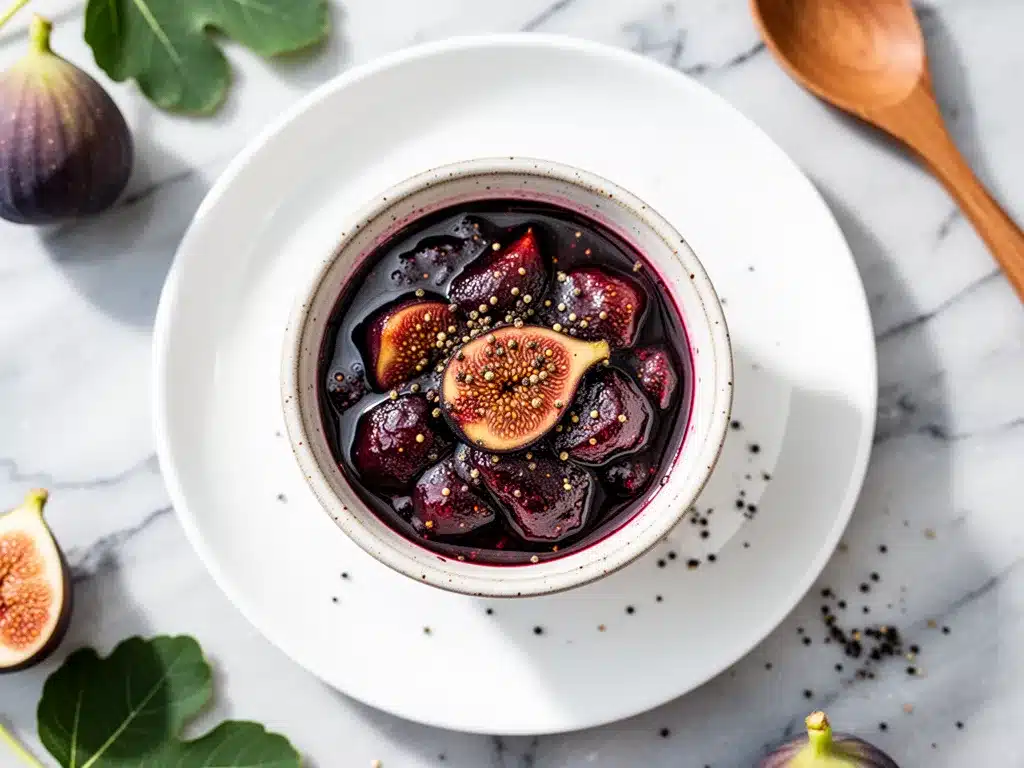
Fresh lemon juice (1 teaspoon) — If your figs aren’t super sweet, a splash of lemon brightens everything up. I add this when the figs are a bit tart.
Vanilla extract (½ teaspoon) — For a warmer, dessert-like flavor. I skip this when I’m using this for savory dishes like cheese boards.
Orange zest (1 teaspoon) — Adds a citrusy lift that pairs beautifully with the figs. Great if you’re serving this with pork or chicken.
Personal Tips:
- Fig Quality: I always buy figs from a store with high turnover. If they look shriveled or have white crystals on the outside (sugar bloom), that’s fine—it means they’re sweet. But if they’re moldy, toss them.
- Vinegar Shortcuts: If you can’t find aged balsamic, regular balsamic works, but add an extra teaspoon of honey to compensate for the lack of sweetness.
- Storage: Honey keeps forever, but once mixed with figs, this jam lasts in the fridge for 2 weeks. Make sure your jars are clean and dry.
Equipment Needed
You don’t need fancy equipment for this. Here’s what I actually use:
Small saucepan — I use a 2-quart non-stick saucepan. It needs to be small enough that the mixture doesn’t spread too thin, which helps it reduce faster. My old stainless steel pan works too, but you’ll need to watch it closer to prevent sticking.
Wooden spoon — For stirring. Silicone works too. Don’t use metal if you’re using a non-stick pan.
Knife and cutting board — To chop the figs. I don’t peel them—the skin adds texture and nutrients.
Mortar and pestle — For cracking the pepper. If you don’t have one, just crush the peppercorns with the bottom of a heavy pan. It’s not as pretty, but it works.
Jars — Small glass jars with lids. I use 4-ounce jam jars. Make sure they’re sterilized if you plan to store them long-term. Just boil them in water for 10 minutes and let them air dry.
Optional but nice:
- Food processor: If you want a smoother jam, blend it for 10 seconds. I like it chunky, so I skip this.
- Candy thermometer: Not necessary, but if you’re worried about the consistency, you can check the temperature. It’s done at 220°F (104°C).
How to Make It: Step-by-Step
Alright, let’s make this! I’m walking you through exactly how I do it, including the little tricks I’ve picked up.
Step 1: Prep Your Figs (5 minutes)
Chop the dried figs into small pieces. I like them about the size of a pea. If they’re really dry, soak them in hot water for 10 minutes, then drain well. You want them pliable but not wet. Excess water will make your jam runny. Pat them dry with a paper towel if needed.
Step 2: Combine Ingredients (2 minutes)
Add the chopped figs, balsamic vinegar, honey, and cracked black pepper to the saucepan. Stir everything together so the figs are coated. This seems simple, but it ensures even flavor distribution from the start.
Step 3: Simmer the Mixture (10 minutes)
Place the saucepan over medium heat. Bring the mixture to a gentle simmer. You’ll see bubbles forming around the edges. Reduce the heat to low and let it cook, stirring occasionally. This is where the magic happens. The figs will break down, and the vinegar will reduce.
Step 4: Mash and Stir (5 minutes)
After about 10 minutes, the figs should be soft. Use your wooden spoon to mash them against the side of the pan. You don’t need to make it smooth—I like some texture. Keep stirring every minute or two to prevent sticking. The mixture will start to look glossy and thick.
Step 5: Check Consistency (2 minutes)
The jam is done when it coats the back of a spoon and leaves a trail when you run your finger through it. If it’s still runny, cook for another 2-3 minutes. If it’s too thick, add a teaspoon of water. Remember, it will thicken more as it cools.
Step 6: Cool and Jar (5 minutes)
Remove the pan from heat. Let the jam cool for 5 minutes. It will continue to thicken as it cools. Spoon it into clean jars. Seal tightly and store in the fridge.
Total Time: About 20 minutes (5 minutes prep, 15 minutes cooking)
Expert Tips & Tricks
Here’s everything I’ve learned from making this dozens of times. These tips will save you from my mistakes.
The Pepper Matters
Don’t skimp on the black pepper. It’s not just for flavor—it cuts the sweetness and adds a warming sensation that makes the jam feel sophisticated. I use freshly cracked pepper because the oils are more potent. If you use pre-ground, you might need a bit more, but the flavor won’t be as bright.
Watch the Heat
Balsamic vinegar burns easily. If you see smoke or smell something acrid, your heat is too high. Keep it on low-to-medium-low. You want a gentle simmer, not a rolling boil. If it boils too hard, the vinegar can turn sharp and bitter.
Texture Preference
Some people like smooth jam, some like chunky. I prefer chunky because you can taste the fig pieces. If you want smooth, blend it in a food processor for 10 seconds. But be careful not to over-blend, or it becomes a puree.
Don’t Rush the Reduction
It’s tempting to crank up the heat to finish faster, but that leads to uneven cooking and potential burning. Let it reduce slowly. The longer it cooks on low, the deeper the flavor becomes.
Common Mistakes (and how to avoid them)
Mistake: Jam is too runny
Fix: Cook it longer. It needs to reach the “sheeting” stage where it coats the spoon heavily. Also, make sure you drained the figs if you soaked them.
Mistake: Jam is too thick
Fix: Add a teaspoon of water or vinegar and stir over low heat. It’s easy to fix.
Mistake: Jam is too sweet
Fix: Add a splash of lemon juice or more balsamic vinegar next time. Balance is key.
Variations & Substitutions
Once you’ve nailed the basic version, here’s how you can mix it up. I’ve tried all of these.
Orange Fig Jam
Add the zest of one orange and a tablespoon of orange juice to the mixture. The citrus pairs beautifully with the figs and adds a bright note. Great for breakfast toast.
Spiced Fig Jam
Add a cinnamon stick and a star anise pod while simmering. Remove them before jarring. This gives it a warm, holiday flavor. Perfect for cheese boards in winter.
Red Wine Fig Jam
Substitute half the balsamic vinegar with a dry red wine like Merlot. Cook longer to evaporate the alcohol. This adds a fruity, wine-y depth that’s amazing with grilled meats.
Vegan Version
Simply swap the honey for maple syrup or agave nectar. The flavor changes slightly, but it’s still delicious. I use maple syrup because it has a robust flavor that stands up to the balsamic.
Gluten-Free
This is naturally gluten-free. Just make sure your balsamic vinegar is certified gluten-free (most are, but some flavored vinegars might have additives).
Serving & Storage
I usually serve this straight from the jar at the cheese board—it looks rustic and stays warm. But here are other ways I’ve enjoyed it:
How to Serve
- Charcuterie Boards: Pair with sharp cheddar, gouda, and crusty bread. The contrast of sweet and savory is unbeatable.
- Sandwiches: Spread on turkey or chicken sandwiches. It adds a gourmet touch to a simple lunch.
- Yogurt: Swirl into plain Greek yogurt with granola. It’s like a fancy breakfast.
- Glaze: Brush over grilled chicken or pork chops in the last few minutes of cooking. The sugars caramelize beautifully.
- Toast: Spread on buttered sourdough toast with a sprinkle of sea salt. Simple, but addictive.
Storage Instructions
Refrigerator: Store in an airtight container for up to 2 weeks. The jam will thicken in the fridge—totally normal. Let it sit at room temperature for 10 minutes before serving to soften.
Freezing: Yes, you can freeze this! Portion it into ice cube trays or small containers. It lasts for 3 months. Thaw in the fridge overnight. The texture might be slightly softer, but the flavor is the same.
Pro tip: If the jam separates, just stir it back together. It happens with natural jams. It’s safe to eat.
Nutrition Information
I’m not a nutritionist, but here’s the breakdown if you’re tracking. This is a condiment, so portions are small.
Per Serving (1 tablespoon):
- Calories: 45
- Carbs: 10g
- Sugar: 9g
- Fat: 0g
- Protein: 0g
- Fiber: 1g
Look, this is fruit and vinegar with a bit of honey. It’s not diet food, but it’s not candy either. The figs provide fiber and antioxidants. The balsamic has some polyphenols. Use it as a flavorful addition, not a main course. When I want to make it lighter, I just use less honey and more vinegar. But usually? I just enjoy the richness.
Final Thoughts
So that’s my small-batch fig and balsamic jam with black pepper! I’ve probably talked your ear off at this point, but when you make a recipe this often, you have a lot to say about it.
This has saved my social life more times than I can count. It’s my answer to “I need a hostess gift” or “I want to impress my friends” when I’m broke and tired. My friends are happy, my husband is happy, and I’m happy because I’m not stressed about cooking.
Make it yours! Try different peppers, add spices, swap the honey. The best recipes are the ones you adapt to your tastes. If you make this, drop a comment and let me know what you think! I love hearing how recipes turn out in your kitchen.
Happy cooking! And I hope your kitchen smells half as good as mine does right now.
Frequently Asked Questions
Can I use fresh figs instead of dried?
You can, but the recipe changes significantly. Fresh figs have a lot of water, so you’ll need to cook them much longer to reduce the moisture. I recommend using 3-4 pounds of fresh figs instead of 1 cup of dried. You’ll also need to adjust the honey, as fresh figs are less sweet. For a beginner, I stick with dried figs—they’re consistent and easy.
Why did my jam turn out watery?
This usually means you didn’t cook it long enough or the figs were too wet. If you soaked dried figs, make sure you drained and patted them dry. Also, balsamic vinegar varies in thickness. Some are thinner, some are thicker. Cook it until it coats the spoon heavily. It will thicken more as it cools.
Can I make this ahead for a party?
Absolutely! I make it 2-3 days ahead. It actually tastes better after a day or two as the flavors meld. Store it in the fridge and bring it to room temperature before serving. It keeps well for up to 2 weeks.
Is this jam sweet?
It’s sweet-tart with a peppery kick. The balsamic provides the tang, and the figs provide the natural sweetness. The honey balances it out. It’s not cloyingly sweet like jam. It’s more complex. If you’re sensitive to sugar, you can reduce the honey to 1 tablespoon.
Can I can this jam for long-term storage?
Because this recipe uses vinegar and honey, it has a high acidity and sugar content, which helps preservation. However, for safety, I recommend refrigerating it. If you want to can it, you need to follow proper water bath canning guidelines, including adding enough acid (vinegar) to ensure a safe pH level. For a small-batch recipe like this, refrigeration is safer and easier.
What kind of balsamic vinegar should I use?
Aged balsamic vinegar (3+ years) is best. It’s thicker, sweeter, and more complex. Avoid the cheap, thin balsamic salad dressings—they’re full of sugar and thickeners. Look for “Balsamic di Modena” or “Traditional Balsamic Vinegar.” It’s worth the extra cost for this recipe.
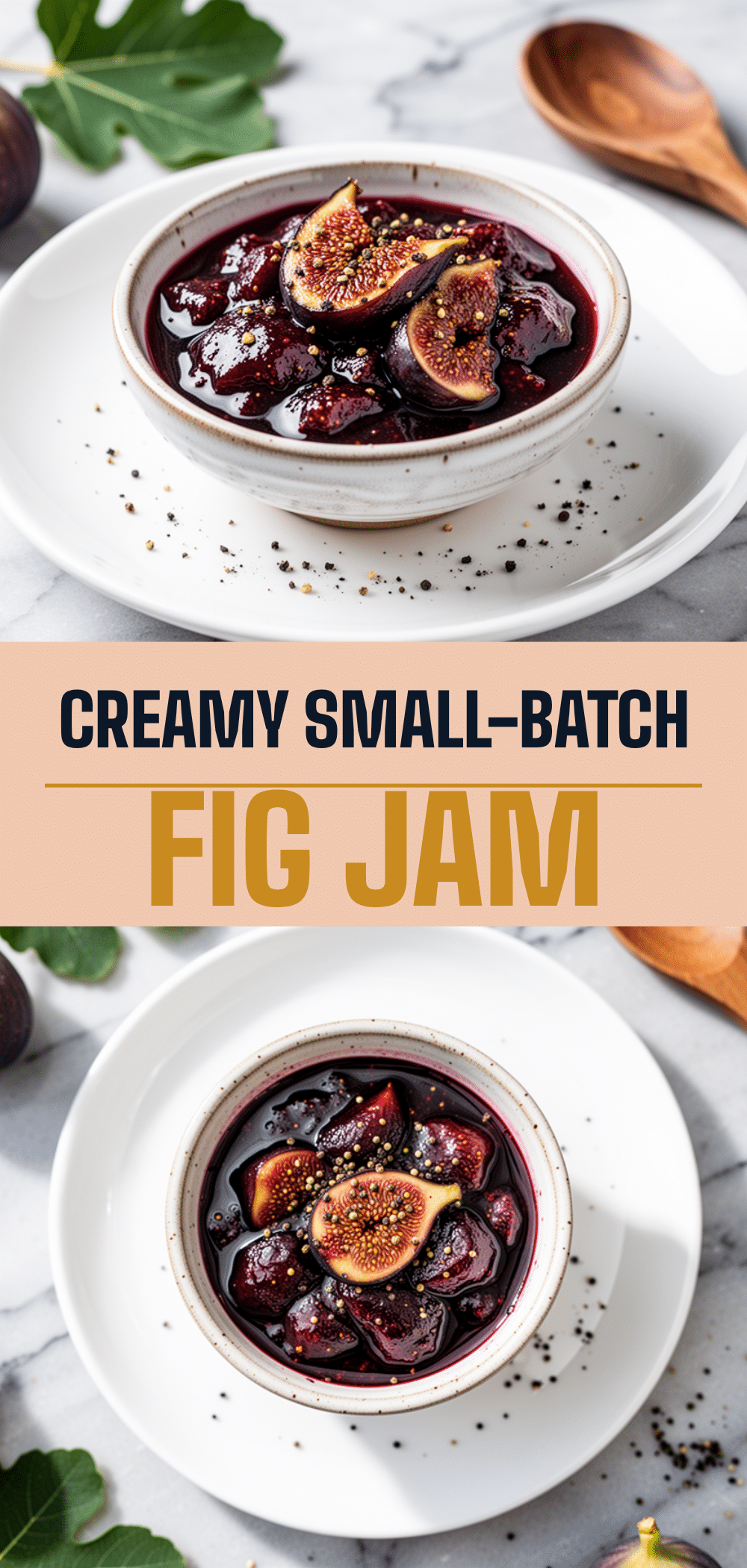
Pin This Recipe!
Small-Batch Fig and Balsamic Jam
- Total Time: 20 minutes
- Yield: Approximately 1 cup (makes about 16 servings) 1x
Description
A quick, 20-minute homemade jam made with dried figs, aged balsamic vinegar, honey, and black pepper. Perfect for cheese boards, sandwiches, or as a gift.
Ingredients
- 1 cup dried figs (about 100g, Mission or Black Mission)
- 1/2 cup aged balsamic vinegar
- 2 tablespoons honey
- 1/2 teaspoon freshly cracked black pepper
- 1 teaspoon fresh lemon juice (optional)
- 1/2 teaspoon vanilla extract (optional)
- 1 teaspoon orange zest (optional)
Instructions
- Chop the dried figs into small pieces (about the size of a pea). If they are very dry, soak them in hot water for 10 minutes, then drain and pat dry.
- Add the chopped figs, balsamic vinegar, honey, and cracked black pepper to a small saucepan. Stir to coat the figs evenly.
- Place the saucepan over medium heat and bring the mixture to a gentle simmer.
- Reduce heat to low and let it cook for about 10 minutes, stirring occasionally, until the figs are soft.
- Mash the figs against the side of the pan with a wooden spoon. Continue to stir every minute or two to prevent sticking until the mixture is glossy and thick.
- Check consistency: the jam is done when it coats the back of a spoon and leaves a trail when you run your finger through it. If too runny, cook 2-3 minutes longer. If too thick, add a teaspoon of water.
- Remove from heat and let cool for 5 minutes. The jam will thicken further as it cools.
- Spoon the jam into clean, sterilized glass jars. Seal tightly and store in the refrigerator.
Notes
Use aged balsamic vinegar for best flavor. If figs are hard, soak them in hot water first but ensure they are patted dry to avoid runny jam. The jam will thicken more as it cools. Store in the fridge for up to 2 weeks. Can be frozen for up to 3 months.
- Prep Time: 5 minutes
- Cook Time: 15 minutes
- Category: Condiments
- Cuisine: American
Nutrition
- Serving Size: 1 tablespoon
- Calories: 45
- Sugar: 9
- Carbohydrates: 10
- Fiber: 1
Keywords: fig jam, balsamic jam, small batch jam, homemade jam, gift ideas, cheese board, vegan option, gluten-free